Vision Continuum 2026 takes on childhood myopia, eye donation
Mankind Pharma, AIOS and EBAI organised Vision Continuum 2026 to raise awareness of corneal transplantation, eye donation and childhood myopia.
by Trends DeskOctober 27, 20263 min read
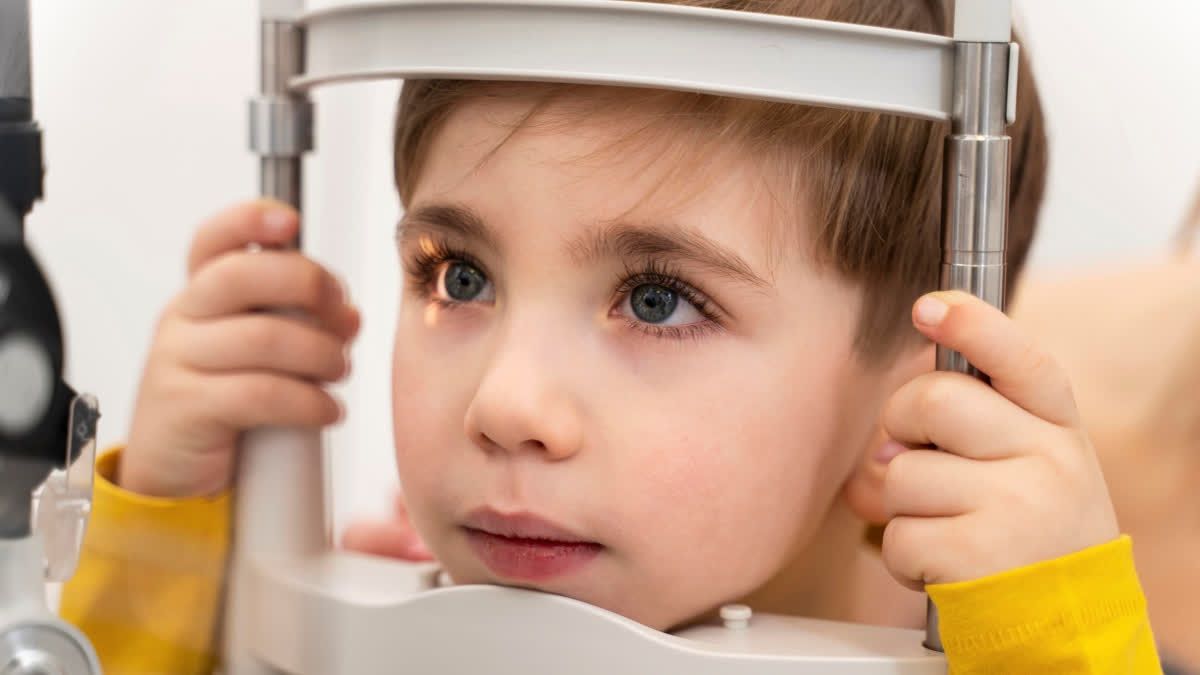
Mankind Pharma, in academic association with the All India Ophthalmological Society (AIOS) and the Eye Bank Association of India (EBAI), organised Vision Continuum 2026 under the theme "Connecting Care. Preserving Sight. Across Generations." The initiative focused on eye care priorities including corneal transplantation, eye donation and childhood myopia, a condition in which children have difficulty seeing distant objects clearly.
Through knowledge-sharing and awareness-building efforts, the initiative aimed to highlight the importance of donating eyes, encourage early detection and timely intervention for childhood myopia, and give parents and communities the knowledge needed to make informed decisions about eye care. The programme was announced in New Delhi on 27 October 2026.
Thousands of people in India are waiting for a chance to see clearly again, while a growing number of children are developing eyesight problems at an early age. Greater public awareness, timely eye check-ups and more people coming forward to donate their eyes can make a big difference, according to the organisers. The initiative also highlighted the need for parents to pay attention to their children's eyesight and seek medical advice before vision problems begin to affect their daily lives.
Why childhood myopia is rising in India
Sudipta Roy, Senior President for Sales and Marketing at Mankind Pharma Ltd., highlighted the growing concern over childhood myopia. He said research projections suggest that the prevalence of myopia among children in India could rise to 48.14 percent by 2050. Childhood myopia requires early attention, regular monitoring and timely intervention, he said.
Myopia awareness matters because the condition often develops quietly. A child may not complain about blurred distance vision, and parents may only notice the problem when schoolwork or daily activities become harder. Regular eye check-ups can catch the change early, when timely medical advice and follow-up can help manage the condition. The programme's message to parents was to treat eye check-ups as a regular part of children's healthcare rather than something to consider only after a problem appears.
Childhood myopia and the Vision Growth Card
One of the key features of the programme was the Vision Growth Card, developed by Mankind Pharma in association with AIOS. The card is designed to help parents track their children's visual development and encourage regular follow-ups with eye-care professionals. The aim is to make eye check-ups a routine part of children's healthcare, with a record that parents and professionals can follow over time.
The Vision Growth Card sits at the centre of the programme's approach to childhood myopia. Instead of a single check-up, parents are encouraged to return for follow-ups so that changes in a child's vision are noticed and addressed. Through a combination of education and awareness, the collaborative initiative reflects a shared commitment to improving eye health and giving communities practical knowledge about eye care.
Eye donation and childhood myopia: what the programme does
Dr J. S. Titiyal, President of AIOS, said corneal blindness remains a major cause of vision loss in India, even though many affected patients can regain their sight with appropriate treatment. Donated corneas are central to that treatment, because corneal transplantation depends on them. The programme sought to raise awareness of cornea transplants and to encourage more people to consider donating their eyes.
The programme was attended by Dr Titiyal, Dr Namrata Sharma, Scientific Chairperson of AIOS, and Dr Pravin K. Vaddavalli, Program Director of the Universal Cornea Care Mission, among other ophthalmologists and healthcare stakeholders. Corneal transplantation was presented as a key priority alongside childhood myopia and overall eye health, with knowledge-sharing aimed at parents, communities and eye-care professionals alike.
Awareness of donation and myopia awareness were treated as two sides of the same goal: preserving sight across generations, as the programme's theme states. For children, that means early detection and regular follow-ups. For people living with corneal blindness, it means a wider public understanding of donating eyes and the treatment it makes possible.