Delhi High Court to rule on AISA chief's peace bond plea
The Delhi High Court has reserved its verdict on AISA chief Neha Bora's challenge to a Rs 10,000 peace bond notice from the Delhi Police.
by Trends DeskOctober 23, 20263 min read
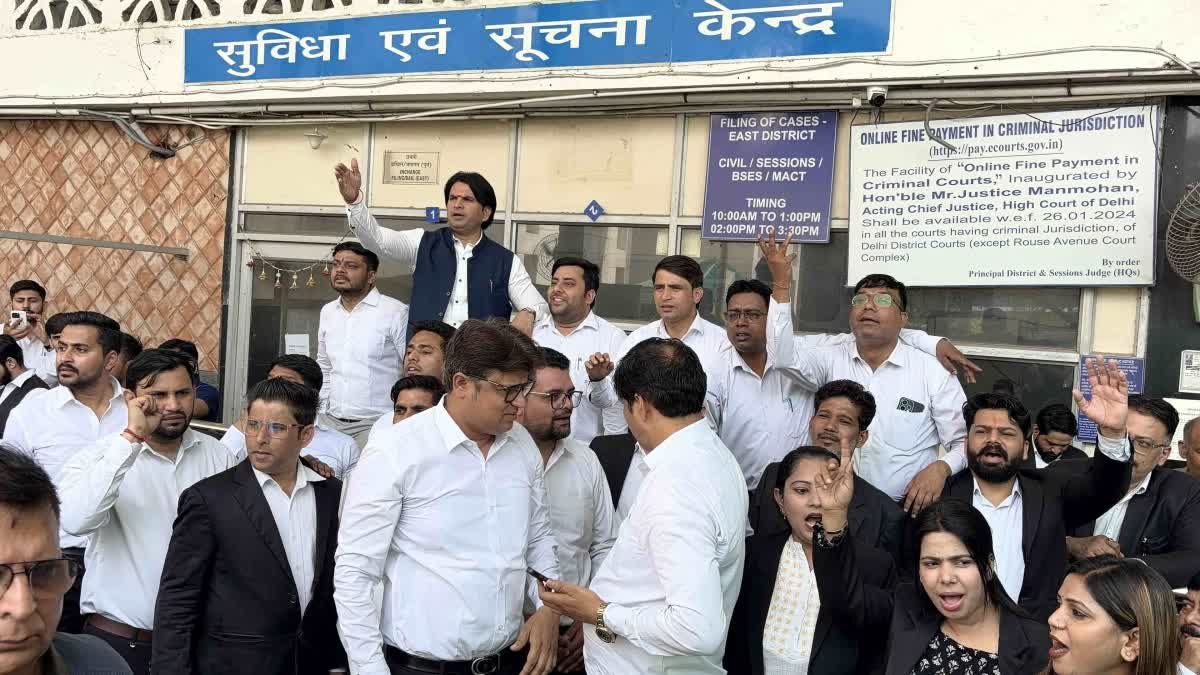
The Delhi High Court has reserved its verdict on a plea by All India Students' Association (AISA) president Neha Bora challenging a Delhi Police notice that directed her to execute a peace bond of Rs 10,000. The notice followed her preventive detention during a protest march, and the court's ruling, expected on Friday, will test the legal limits of preventive action against student activists.
The notice directed Bora to furnish the bond as a preventive measure linked to her protest activity. Her challenge asks whether the police can demand such assurances from a student leader when the underlying demonstrations were peaceful. Bora's counsel told the Delhi High Court that the demand for the bond treats constitutionally protected protest as a law-and-order risk. The bond was set at Rs 10,000, and the notice required Bora to execute it as an assurance of good behaviour.
Appearing for the student leader, the defence counsel argued that seeking regime change or expressing dissatisfaction with the government falls well within the fundamental rights guaranteed under Article 19 and Article 21 of the Constitution. The defence said peaceful assemblies and public demonstrations, including hoisting the national flag, do not amount to unlawful acts that require a preventive peace bond. Bora's counsel summed up the position with the argument that there is nothing wrong in seeking regime change in a democracy.
Countering these submissions, Additional Solicitor General Chetan Sharma, appearing for the Delhi Police, argued before the Delhi High Court that political transition in a constitutional setup must occur exclusively through the electoral ballot rather than public disruptions. The notice to Neha Bora was issued after the police evaluated repeated violations of prohibitory orders across key locations in central Delhi, he said.
What the Delhi High Court heard
The hearing ran for over two and a half hours and ranged across constitutional freedoms, civil liberties and the validity of preventive legal notices issued against student activists. The defence anchored its case in Article 19, contending that the Constitution protects the expression of dissent, while the police defended the notice as a calibrated response to repeated violations. The hearing saw extended debate on constitutional freedoms, civil liberties and the validity of preventive legal notices issued against student activists. The Delhi High Court heard extended arguments on where democratic dissent ends and unlawful disruption begins.
Stigma and the peace bond question
During the proceedings, the Delhi High Court raised concerns about the stigma attached to preventive notices that require citizens to give assurances of good behaviour. The bench flagged the question whether such administrative action prematurely brands individuals before any formal judicial finding against them. The court's questions linked the stigma issue to Article 19, asking whether the mere issuance of such notices chills lawful expression. The court made these observations during the lengthy proceedings before reserving its judgment.
When the Delhi High Court will rule
The Delhi High Court's ruling will clarify the legal parameters governing preventive action by law enforcement during peaceful political demonstrations, a question that goes to the heart of democratic dissent. The case of the AISA president has put the issue squarely before the court. After hearing arguments for over two and a half hours, the presiding judge reserved the judgment on Neha Bora's plea, with the final order set to be pronounced on Friday, bringing the lengthy hearing to its conclusion.