Delimitation talks Congress ignored, Rijiju tells Kharge
Kiren Rijiju told Mallikarjun Kharge the government repeatedly sought Congress cooperation on the Delimitation Bill but was never given time for talks.
by Trends DeskOctober 20, 20263 min read
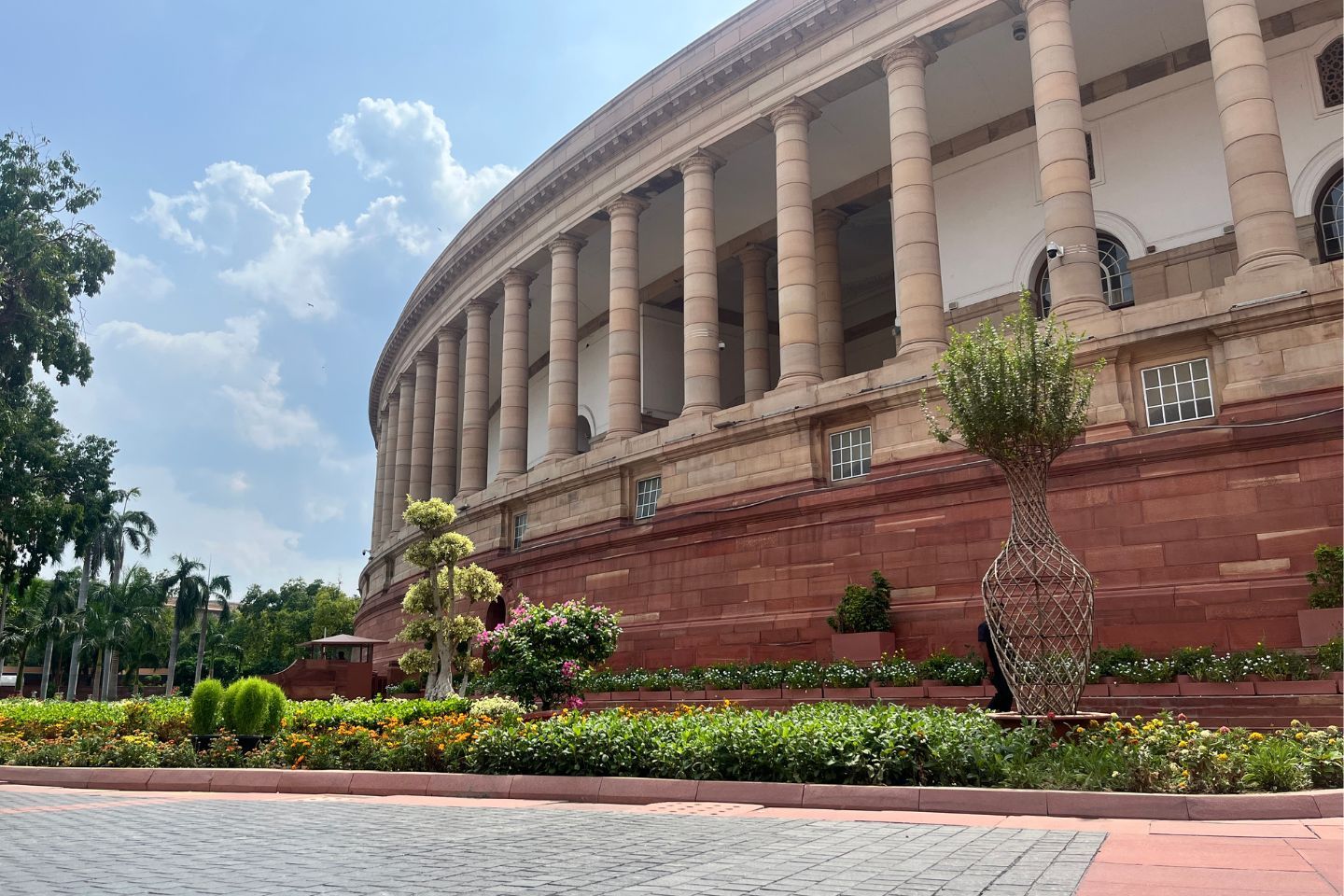
Parliamentary Affairs Minister Kiren Rijiju has pushed back against the Congress's demand for an all-party meeting on the Delimitation Amendment Bill, saying the government's opposition engagement with the principal Opposition party repeatedly stalled for want of dates. The delimitation talks Congress now demands have, in the government's account, already been offered, in writing and in person, to the party's leadership.
In a letter to Congress president Mallikarjun Kharge, who had earlier written to Prime Minister Narendra Modi seeking an all-party meeting, Rijiju said: "The government has consistently sought the Opposition's support and cooperation for the consideration and passage of the Delimitation Amendment Bill." He disclosed that he wrote to Kharge on March 16, March 26 and April 12, 2026, and also discussed the matter with him personally. The letter is the government's most detailed rebuttal yet of the charge that the delimitation talks Congress seeks were never offered.
"During the Monsoon Session, I also met Rahul Gandhi, the Leader of the Opposition in the Lok Sabha, in person to discuss the matter and seek his cooperation. However, despite repeated requests, the Congress did not provide dates for discussions, following which the government extended its outreach to other political parties," Rijiju wrote. The delimitation talks Congress skipped were then held with other parties instead.
Delimitation talks Congress missed while DMK and others engaged
The parliamentary affairs minister said consultations were held with representatives of the DMK, SP, YSRCP, NCP, Shiv Sena (UBT), AIMIM and BJD, with a view to facilitating dialogue and building a broader consensus behind the proposed legislation. "In these circumstances, it is not clear why the demand for consultation is being made repeatedly when the government has already made sustained efforts to facilitate dialogue," he said, contrasting that opposition engagement with the Congress's silence.
The minister said the opposition engagement reflected the government's firm commitment to consultation and constructive parliamentary engagement, and expressed hope that the Congress would play a constructive role and "not obstruct important future legislation". The row over the delimitation talks Congress is demanding sets the stage for a contentious Winter Session.
Prorogation row adds fuel to delimitation talks Congress dispute
Rijiju also answered Kharge's contention that Parliament had not been prorogued even though 64 days had elapsed since the House was adjourned sine die on August 13, 2026. "There is no constitutional requirement prescribing a specific period within which a House must be prorogued following its adjournment sine die," he wrote, arguing that constitutional convention imposes no fixed deadline and that the interval alone did not give rise to any constitutional or procedural impropriety.
He cited past instances of Houses remaining unprorogued for long stretches, presenting them as settled constitutional convention: 87 days in 2008, when the Lok Sabha sat on July 21 and 22 for a confidence motion, was kept unprorogued, reconvened on October 17 and adjourned on October 24 to meet again on December 10; 76 days in 1987; 54 days in 1989; 49 days in both 2006 and 2013; and 41 days in 1963.
What the delimitation talks Congress standoff means for Parliament
Rijiju closed his letter by reiterating that the government "remains committed to the basic principles of parliamentary democracy and to facilitating meaningful dialogue through the effective functioning of Parliament", adding: "We value the participation of all political parties in deliberations and discussions on all matters of national importance." Whether the delimitation talks Congress wants will now happen depends on whether the Opposition accepts that the consultation already undertaken was sufficient.
For now, both sides are entrenched: the parliamentary affairs minister insists the delimitation talks Congress demands were offered repeatedly, while the Congress maintains that a formal all-party meeting chaired at the highest level is the only credible forum. The Winter Session will test which version of consultation Parliament accepts.