India mining law reform: 1957 Act set for full rewrite
The government is considering an India mining law reform that would replace the 1957 MMDR Act with a comprehensive new mining law.
by Trends DeskOctober 22, 20263 min read
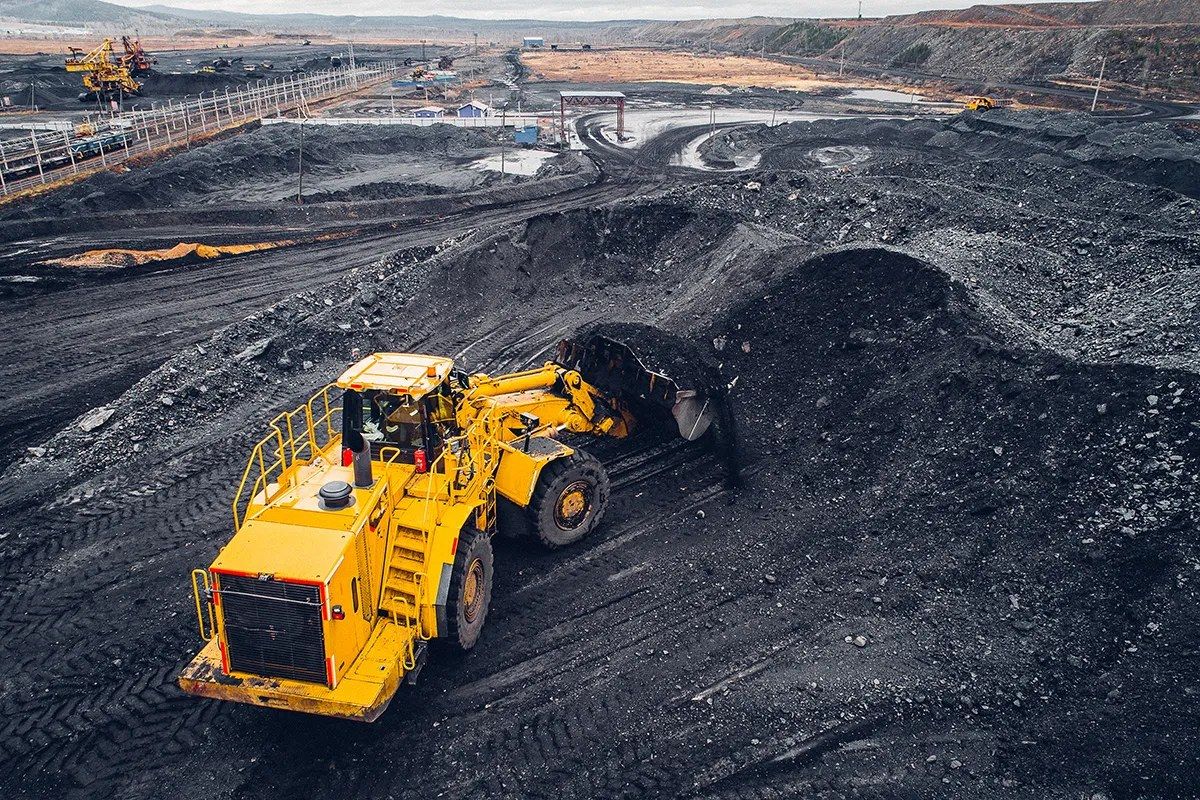
The government is considering replacing the Mines and Minerals (Development and Regulation) Act 1957 with a comprehensive new mining law, PTI reported on 18 October, citing sources. The proposal amounts to an India mining law reform that would overhaul one of the country's oldest economic statutes and fold decades of amendments into a single, streamlined law.
The Mines and Minerals (Development and Regulation) Act 1957, known as the MMDR Act, is the main central law governing the development and regulation of mines and minerals in the country. It has been amended from time to time to keep pace with the sector's changing needs. The latest round came this August, when the MMDR Amendment Act 2026 received Presidential assent and was published in the Gazette of India on 17 August.
The proposed India mining law reform would go much further than an amendment. Sources told PTI the government wants to rewrite the 1957 Act in full rather than patch it again.
The panel's mandate is wide. It will review the existing MMDR Act in its entirety rather than section by section, a signal that the India mining law reform aims at structure as much as content. International best practices are to be studied and adapted, and the committee must keep future trends in the mining sector in view as it drafts, with the Viksit Bharat 2047 vision as the stated horizon. The language of the 1957 law, written in a different administrative era, is to be simplified.
Why the India mining law reform is being planned
Sources told PTI the overhaul is part of the Centre's wider effort to review regulations across sectors and fold in ease of living and ease of doing business reforms. The mining and mineral sector, they said, matters for the economy, future technological progress and the country's strategic needs, and for achieving the vision of Viksit Bharat by 2047.
An inter-ministerial panel under the chairmanship of the mines additional secretary will draft the new bill. The inter-ministerial panel will review the existing MMDR Act in its entirety, study international best practices and draw in provisions keeping future trends in the mining sector in view. A third task for the inter-ministerial panel is to simplify the language of the current law so that it is easier to understand and comply with.
What the India mining law reform could change
The committee's brief includes aligning the Act's provisions with related statutes and constitutional requirements, and recommending structural and substantive changes to improve clarity, enforceability and efficiency. The goal of the India mining law reform, sources said, is a law that works for miners, states and regulators without the accumulated weight of 70 years of amendments.
The panel will also consult stakeholders, including state governments, before preparing the draft. That consultation matters: mineral-rich states guard their say over mining revenue closely. In September, BJD president Naveen Patnaik led a protest in Bhubaneswar against the MMDR Amendment Act 2026, arguing it affects Odisha's rights and mineral revenues. The Union government has said the amendment does not take away states' rights over land, minerals or mineral-related taxes and that states will continue to receive the larger share of mining revenue.
The Viksit Bharat 2047 target gives the India mining law reform its stated urgency. The government sees secure mineral supply as central to manufacturing growth and to the strategic needs it cites for the overhaul.
What happens next in the India mining law reform
No timeline has been announced for the draft. The panel must first complete its review of the 1957 Act, examine global practice and hold consultations with states and industry before any bill reaches Parliament. Any new law would need to pass both Houses and receive Presidential assent before taking effect, so the India mining law reform faces a long road from panel report to statute book.