India Senior Living Market to Double to $11.43 Billion by 2031
India senior living market to more than double to $11.43 billion by 2031, driven by Tier-2 cities and spiritual hubs.
by Trends DeskOctober 16, 20263 min read
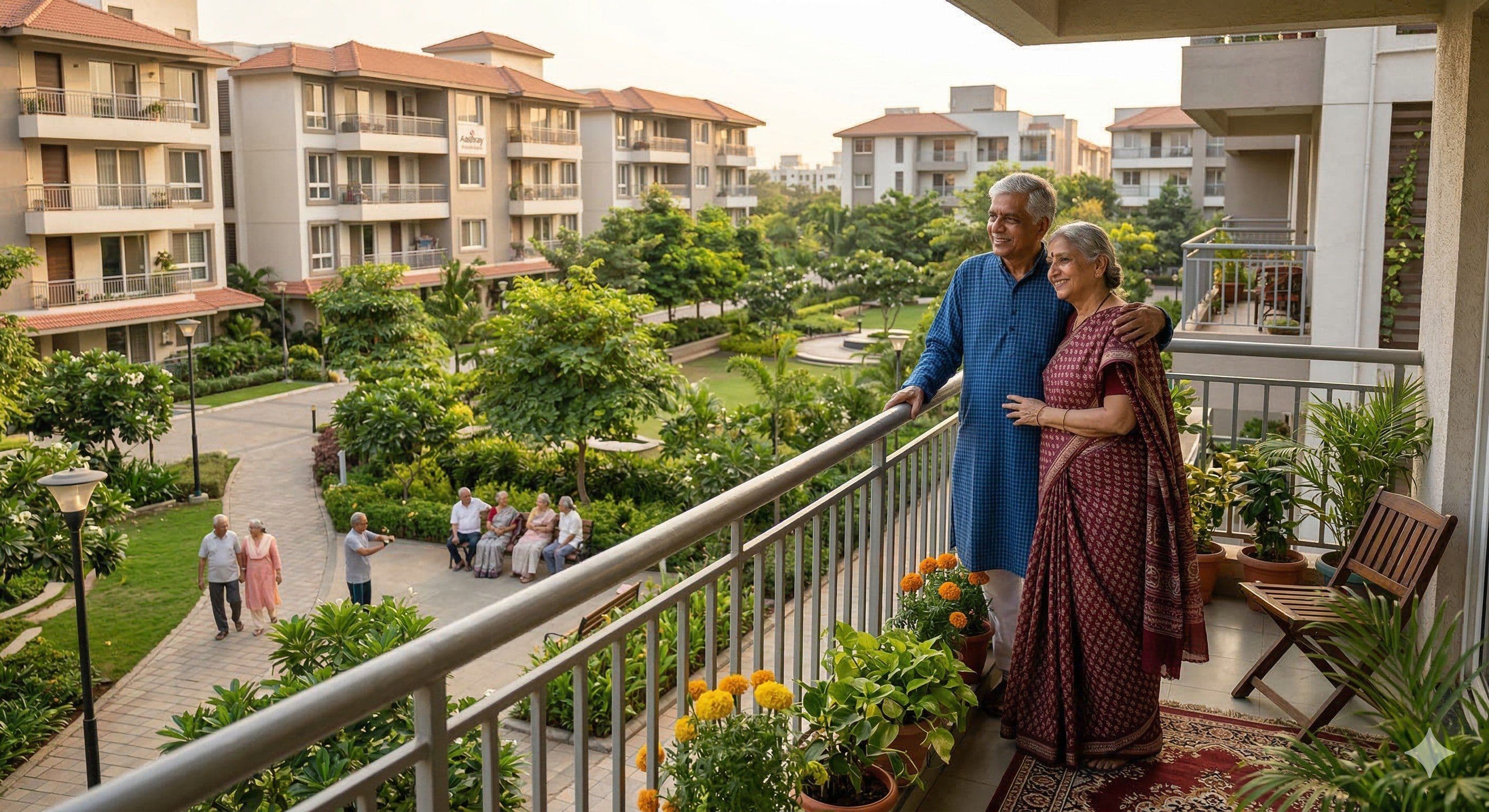
The India senior living market is set to more than double in five years, growing from $4.31 billion in 2026 to $11.43 billion by 2031, according to new research. Fortune India reported on October 14, 2026, that senior housing India is entering a new phase of expansion as developers look beyond the metros to Tier-2 cities and spiritual hubs for growth.
The projection comes from the Square Yards report 'Expanding Horizons: The Next Growth Markets for Senior Living in India', which forecasts a 21.55 percent compound annual growth rate through 2031, with assisted living leading the expansion. Independent living communities account for 64.5 percent of organised units as of 2025, reflecting strong demand for autonomy combined with community support.
Tier-2 Cities Real Estate Drives Senior Living Growth
The Square Yards report identifies 15 cities poised to drive the next phase of growth, judged on affordability, healthcare access, connectivity and lifestyle. Emerging high-growth markets include Coimbatore, Vadodara, Nashik, Kochi and Mysuru, while spiritual centres such as Ayodhya, Varanasi, Haridwar and Tirupati are drawing seniors seeking cultural familiarity alongside modern living standards, a trend reshaping Tier-2 cities real estate.
Demographics make the case compelling for senior housing India. India's population aged 60 and above is projected to rise from 143 million in 2021 to about 347 million by 2050, touching 230 million as early as 2036, with over 191 million seniors expected by 2030. As younger family members migrate for work, demand grows for retirement homes India that combine independence with healthcare access and everyday assistance.
Yet the sector remains nascent. Senior living penetration in India is estimated at just 1.5 percent, compared with 6 to 7 percent in the United States. Affordability, limited awareness, low pension and insurance coverage, and a continued preference for family-based care remain barriers the market must overcome.
Wellness-Led Models for Senior Housing India
Developers are shifting from a transactional model of selling apartments to an operational one built on services. Projects increasingly bundle preventive healthcare, physiotherapy, fitness programmes, nutritious dining, mental wellness and emergency response into everyday living, creating recurring service-led revenue rather than relying on one-time sales.
Wellness-led amenities could become the decisive differentiator, the Square Yards report argues, as older homebuyers prioritise healthy ageing and quality of life over conventional housing features. Square Yards researchers note that many buyers are willing to move to smaller centres for communities offering better care and a comfortable lifestyle that fits their budget.
Established developers are taking notice. A proposed luxury senior living project in Gurugram alone is expected to have sales potential of around Rs 2,000 crore, while other players are entering through varied housing and care formats across the country. Competition for prime senior-living land is intensifying across Tier-2 cities real estate corridors.
Whether the India senior living market delivers on its $11.43 billion promise will depend on execution: reliable medical access, dignified design and honest pricing. If developers get that right, retirement homes India could become one of Indian real estate's defining growth stories of the decade.
Related articles in Real Estate
View all Real Estate →Browse more stories in Real Estate.


