JPC on FCRA Holds Stakeholder Deliberations Amid Foreign Funding Scrutiny
The Joint Parliamentary Committee held consultations with stakeholders on the FCRA as scrutiny of foreign funding for NGOs continues.
by Trends DeskOctober 16, 20263 min read
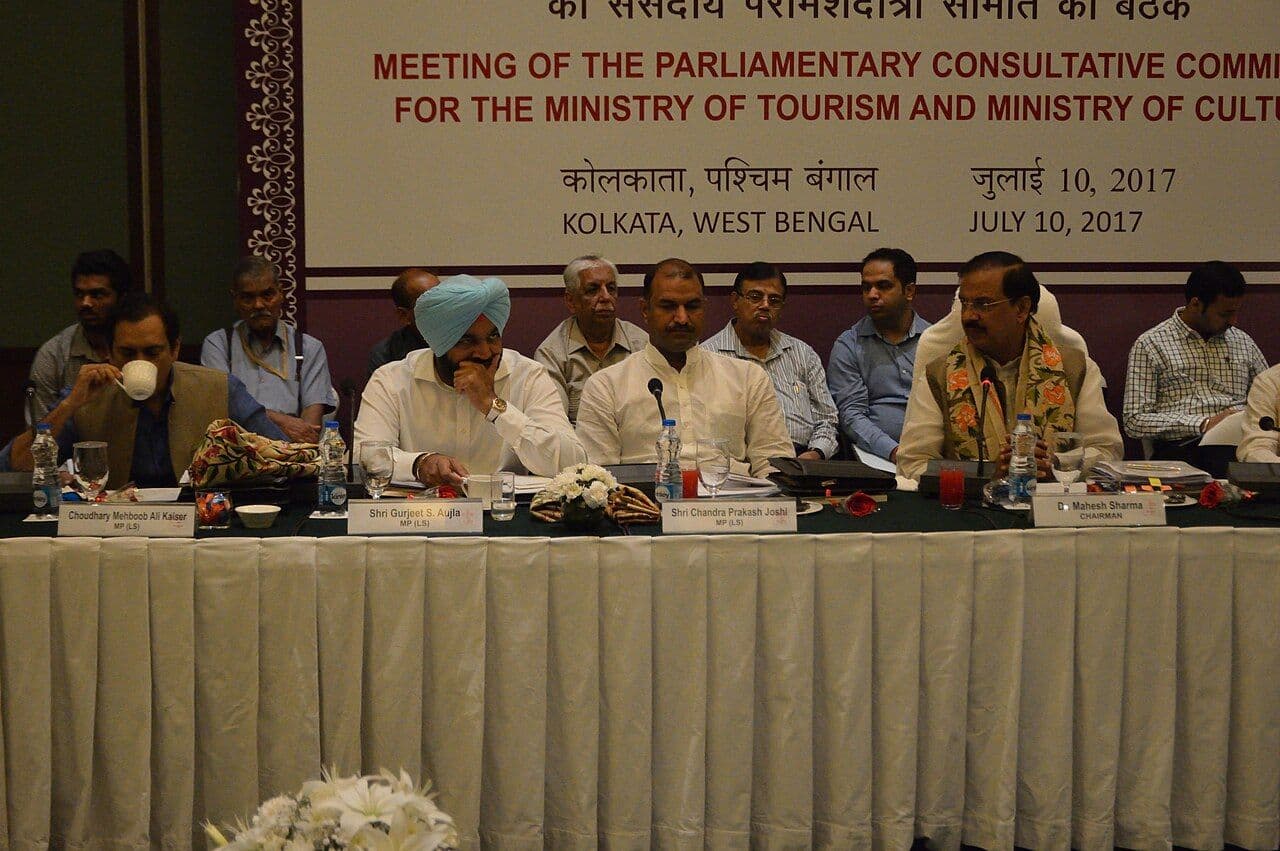
The Joint Parliamentary Committee examining the Foreign Contribution Regulation Act held detailed deliberations with stakeholders on October 15, as the JPC on FCRA gathers views that could shape future changes to India's foreign funding regime. The consultations, reported by News On AIR, come amid intensified government scrutiny of overseas contributions to non-governmental organisations.
What the JPC on FCRA Discussed
According to reports, the committee heard from a cross-section of stakeholders, including representatives of voluntary organisations, legal experts and former officials familiar with the regulatory framework. The discussions, part of the JPC on FCRA's consultation exercise, are understood to have covered compliance burdens, the registration and renewal process, and the balance between transparency and operational freedom for civil society organisations.
The FCRA governs how Indian organisations receive and utilise foreign contributions, and amendments over the past decade have steadily tightened the regime — capping administrative expenses, mandating designated bank accounts and expanding the government's powers to suspend registrations. Any fresh FCRA amendments emerging from the JPC's work would land in an already stringent landscape.
Why the JPC on FCRA Deliberations Matter
Parliamentary committees play a distinctive role: unlike executive notifications, their recommendations carry the weight of multi-party deliberation. Stakeholders who feel unheard in the licensing process see the JPC on FCRA as a rare forum where concerns about arbitrary cancellations and delays can be placed on the parliamentary record.
For NGOs dependent on NGO foreign funding, the stakes are existential. Thousands of organisations have lost their FCRA licences in recent years after failing to meet compliance requirements or following adverse security inputs. Defenders of the crackdown argue it targets misuse; critics contend the process lacks adequate due process and chills legitimate civil society organisations.
The State of Foreign Funding Scrutiny
The government's position has been that foreign money flowing into advocacy and service delivery must be fully traceable, particularly where it intersects with policy debates — a premise the JPC on FCRA is testing against stakeholder testimony. Officials have repeatedly said that genuine social work has nothing to fear from the law. The Joint Parliamentary Committee will weigh these assurances against testimony from organisations that describe the compliance regime as unpredictable.
Legal experts note that courts have occasionally intervened where cancellations appeared disproportionate, but judicial relief is slow and piecemeal. A legislative recalibration through FCRA amendments — clarifying timelines, appeal rights and the threshold for adverse action — could reduce the litigation load on all sides. Several former regulators have privately urged the panel to recommend clearer statutory guardrails so that enforcement does not hinge on executive discretion alone.
What Happens Next
The committee is expected to hold further rounds of consultations before drafting its report. Once tabled in Parliament, the report's recommendations on the Foreign Contribution Regulation Act could inform executive action or fresh legislation. For now, organisations watching the JPC on FCRA deliberations are parsing every signal for hints of the direction of travel.
Whatever the outcome, the JPC on FCRA process itself marks a moment of reckoning for India's framework governing NGO foreign funding. In a democracy that prides itself on both sovereignty and civic vibrancy, the Joint Parliamentary Committee's verdict on the FCRA will be read closely — in New Delhi, and in donor capitals around the world. Whether the outcome tightens or eases the regime, the committee's report will set the terms of the debate for years to come.
Related articles in Law & Government
View all Law & Government →Browse more stories in Law & Government.


