Maharashtra Anti-Conversion Law Alters Church Prayer Life
The Maharashtra anti-conversion law, in force since late August, is changing how Christians worship, with churches asking visitors to sign self-declarations.
by Trends DeskOctober 18, 20263 min read
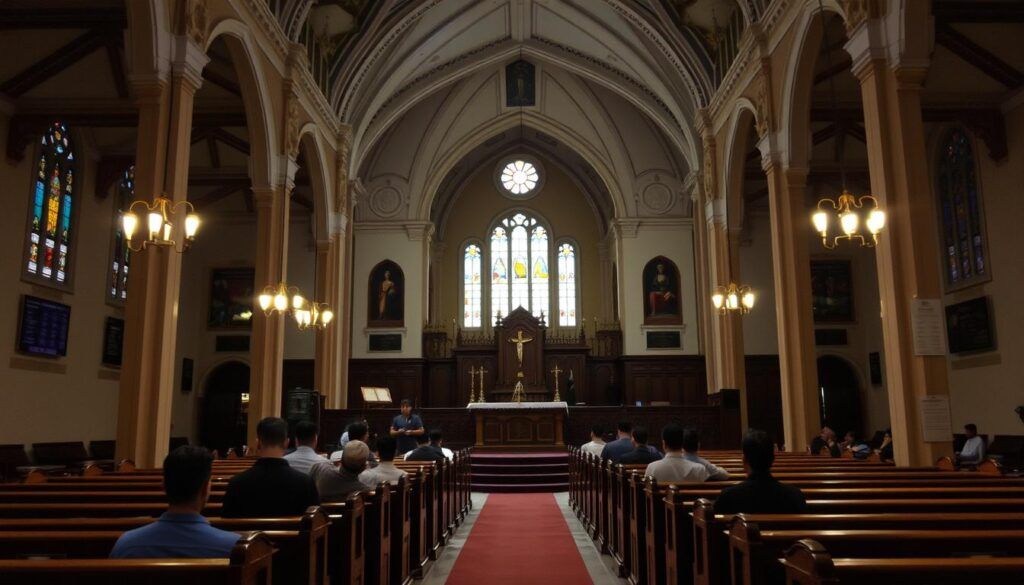
MUMBAI — The Maharashtra anti-conversion law, which took effect in late August, is changing how Christians worship in the state. Some churches in and around Mumbai have begun asking visitors to give a written declaration — "I came here to pray of my own free will" — amid anxiety over how the new legislation will be enforced.
Worshippers write down their names, sometimes add an ID card number, and sign to say that nobody forced or enticed them to attend church. The forms, a copy of which the BBC has seen, have no official legal standing. Churches are keeping them in case a prayer meeting is challenged and its organisers are accused of trying to convert those inside.
The Maharashtra anti-conversion law prohibits religious conversions brought about by force, fraud, coercion or inducement. It also requires people who want to convert voluntarily to notify the authorities in advance. An unlawful conversion can lead to a prison sentence of up to seven years, rising to 10 years for a repeat offence. Harsher penalties apply in cases involving women, minors, persons with disabilities or members of tribal communities.
Maharashtra Anti-Conversion Law Sparks Church Prayer Declarations
The practice of collecting church prayer declarations began at some churches in late August, just before the law took effect. Pastors and church representatives say the declarations are intended to demonstrate that attendance at prayer meetings is voluntary and not the result of coercion or inducement. The forms state that worshippers attend by their own "choice" and are not under any "pressure, inducement, temptation, lure, or threat of any kind."
Maharashtra's government says the law protects people, particularly those who are socially or economically vulnerable, from being forced or deceived into changing their religion. The state government did not respond to the BBC's repeated requests for comment on the church declarations.
While the Maharashtra anti-conversion law applies to all religions, the anxiety is being felt most deeply at places where minorities, especially Christians, worship. At the heart of the debate is a long-running tension over allegations, usually made by right-wing groups, that churches use money, education, medical services or other benefits to encourage religious conversion.
Bombay High Court Petition Challenges Conversion Law
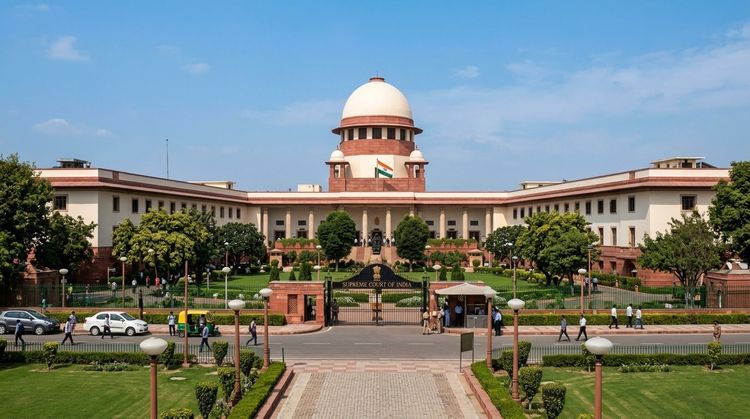
The Maharashtra anti-conversion law is already facing a legal challenge. A petition filed with the Bombay High Court argues that the legislation oversteps constitutional limits and infringes on citizens' fundamental rights to privacy, dignity and personal autonomy. The petition, submitted by Maulana Halimullah Khan, calls on the court to either declare the act unconstitutional or ensure it is applied strictly to cases involving genuine force, fraud or coercion.
Critics say the law's broad definitions, severe penalties and scrutiny of even voluntary conversions risk drawing the state and the police into one of the most private decisions a person can make. They warn that its broad definition of "allurement" could be used to describe even basic acts of hospitality, such as serving refreshments before a service.
Maharashtra Anti-Conversion Law in National Context
Maharashtra has become the latest Indian state to enact legislation restricting religious conversion, joining states with comparable laws where allegations of coercion have frequently been used to target Christian individuals and congregations. Whether the church self-declarations will have legal standing in the event of an accusation remains untested.
Some observers have expressed concern that maintaining lists of identified worshippers could itself create risks for churchgoers should the records fall into the wrong hands. For now, the declarations remain a precaution born of uncertainty — a sign, pastors say, of how the Maharashtra anti-conversion law is reshaping the private act of prayer. Whether the Maharashtra anti-conversion law survives judicial scrutiny will decide how far that reshaping goes.