Meta terms may let it scrape news sites, lawyers say
Meta's new commercial terms, effective October 30, 2026, could let the company scrape news sites for AI training, legal experts told Nieman Lab.
by Trends DeskOctober 17, 20263 min read
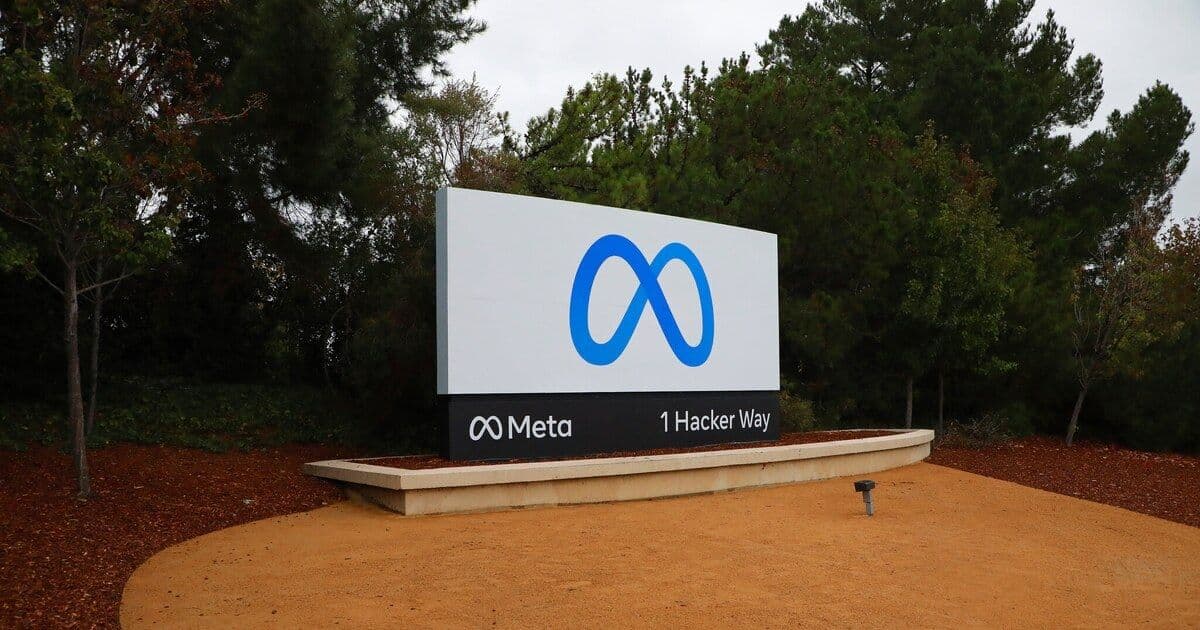
Meta has rewritten its commercial terms to allow the crawling of websites linked to business accounts on Facebook, Instagram and WhatsApp, and legal experts say the new language could let the company scrape news sites to train its artificial intelligence systems. The updated terms take effect on October 30, replacing a version that had been in place since March 2024. The change centres on a new paragraph in Section 1 of the commercial terms. It authorises the use of automated software and test credentials to crawl domains associated with a business's products or services, or made available through business or user activity on the company's platforms. Content collected that way may then be used to develop, improve, research and train the company's products — a definition that expressly includes AI systems. Meta has not explained how it determines which site counts as associated with an account. Three legal experts who reviewed the clause at the request of Nieman Lab said the wording could sweep in virtually every news organisation, since nearly all of them operate at least one business account on the company's platforms. Nieman Lab itself holds one. ## What the new Meta terms say As written, the terms are strikingly broad. They cover business accounts that manage pages and groups, run advertisements, push marketing messages and use the platform's business dashboard. Legal experts told Nieman Lab the language could be used to argue that Meta may scrape publisher content and use it for AI training without negotiating individual licensing agreements. Matt Topic, a media and intellectual property attorney at Loevy and Loevy, called the clause "a remarkable provision to bury in [the] terms of service," noting that the material it covers would likely cost many millions of dollars in a licensing market. "It is not clear whether a court would enforce this, but publishers should assume that it would be enforceable," he said. Topic's warning reflects a broader fear among publishers that Meta is using its market power to rewrite the economics of content licensing. ## Why news publishers face a Meta dilemma For news publishers, the practical problem is the absence of an opt-out. A business account that keeps using the company's tools after October 30 will have consented to the new terms; the only alternative the company offers is to stop using its services. Cornell law professor James Grimmelmann said the language amounts to "permission to train AI on any content from their sites and possibly to deploy some of that content, even in competition with the publishers themselves." ## The response to Meta and what comes next The company says publishers are reading too much into the update. A Meta spokesperson said the revision consolidates existing commercial and self-serve advertising terms and will not change how the company crawls publishers, adding that technical blocking instructions such as robots.txt will continue to be honoured. The company declined to answer a detailed list of questions about the new language. Industry groups are unconvinced by the assurances from Meta. Danielle Coffey, president and chief executive of the News/Media Alliance, called the new terms "outrageous and probably illegal," describing a policy that withholds audience access unless businesses permit scraping for AI training as appalling and bad-faith. Legal scholars have also questioned whether the changes can be enforced against customers with prepaid contracts, since the only apparent way to avoid them is to end the business relationship. Regulators are watching. New York has passed legislation requiring AI crawlers to identify themselves to news sites, and several publisher lawsuits over AI training and fair use are already moving through federal courts. Whether the new terms survive contact with those cases may decide how much of the web's journalism ends up inside the company's models.