PepsiCo loses KFC US to Coca-Cola in soda shake-up
PepsiCo lost the US KFC beverage contract to Coca-Cola after four decades, a setback for its soda sales as activist Elliott pushes for change.
by Trends DeskOctober 17, 20263 min read
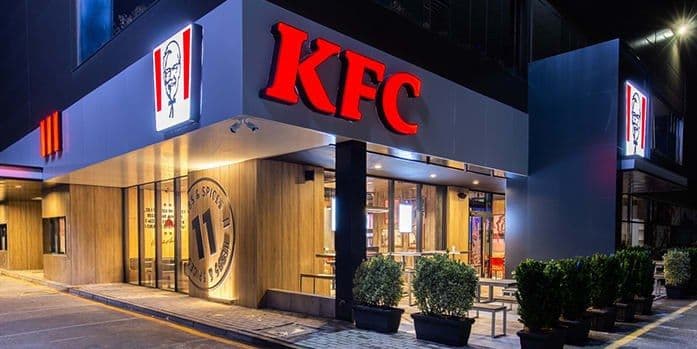
PepsiCo has lost one of its most prominent restaurant partnerships after KFC signed Coca-Cola as its beverage supplier for United States stores, ending a relationship between the two companies that stretched back about four decades. The deal, reported Thursday, covers 3,718 KFC locations across the country and applies only to the chain's US operations, not its international restaurants. The loss lands at a difficult moment for the snacks and drinks giant, which has been working to revive soda sales in the United States while its snacks business contends with elevated prices and a consumer shift towards healthier options. Chief executive Ramon Laguarta said earlier this month that growth and margin recovery were taking longer than expected. The relationship traces back to the era when PepsiCo owned KFC. The company acquired the chicken chain as part of a push into food and snacks, then spun it off in 1997 while remaining the beverage partner for parent company Yum Brands. ## Why PepsiCo lost the KFC contract The Wall Street Journal first reported the agreement on Thursday, citing people familiar with the matter. Neither KFC nor Coca-Cola disclosed expected sales volumes, the length of the contract or its financial value. The transition is expected to be completed by spring 2027. The change applies to US restaurants and does not extend to international KFC operations. For Coca-Cola, the win extends an already formidable fast-food footprint. The company holds longstanding beverage relationships with McDonald's and Wendy's, and the KFC agreement deepens its presence in US restaurants at a moment when away-from-home dining is recovering. The agreement marks another chapter in the decades-long cola wars for restaurant fountains, where exclusive pour rights can shape brand visibility for years. Jay Woods, chief market strategist at Freedom Capital Markets, said the defection was damaging to how investors view the company. "It is just a bad look for PepsiCo... when you lose a big-name brand partner like that," Woods said. "This could be the optical straw that breaks the camel's back." Reuters noted that Freedom Capital Markets holds shares in Coca-Cola. ## PepsiCo keeps Taco Bell and KFC International The defeat is not total. PepsiCo confirmed it has renewed beverage supply agreements with Taco Bell and with KFC International, softening the blow. A company spokesperson told Reuters the Taco Bell agreement runs for 10 years. The company also maintains fountain partnerships with Subway and Jersey Mike's Subs, and it runs the soda fountains at Pizza Hut, which left the Yum Brands group earlier this year after switching to PepsiCo from Coca-Cola in 2011. The company has been here before. PepsiCo lost the Dunkin' beverage business to Coca-Cola in 2012 after a five-year partnership, and has spent the years since rebuilding its restaurant portfolio one chain at a time. ## Pressure builds on PepsiCo That pressure is now coming from shareholders as well. Activist investor Elliott Investment Management disclosed a stake in the company in 2025 and has urged management to sell underperforming assets and improve performance in North America. Losing a marquee partner like KFC gives that campaign fresh ammunition. Laguarta has acknowledged that the turnaround is taking longer than planned, and investors have grown impatient with the pace of improvement in North America. Whether the setback proves cosmetic or structural will depend on what comes next. Restaurant partnerships turn over slowly, and the renewed Taco Bell and international agreements show the company can still win renewals. But in the US market that matters most to investors, Coca-Cola just scored the bigger prize. Analysts will be watching the next earnings call for any quantification of the impact. For now, investors are left to weigh a symbolic defeat against the contracts that remain intact.