PetiteKnit: knitting patterns that built a global business
PetiteKnit founder Mette Wendelboe Okkels turned knitting patterns into a global craft business known for quiet precision and Scandinavian style.
by Trends DeskOctober 17, 20263 min read
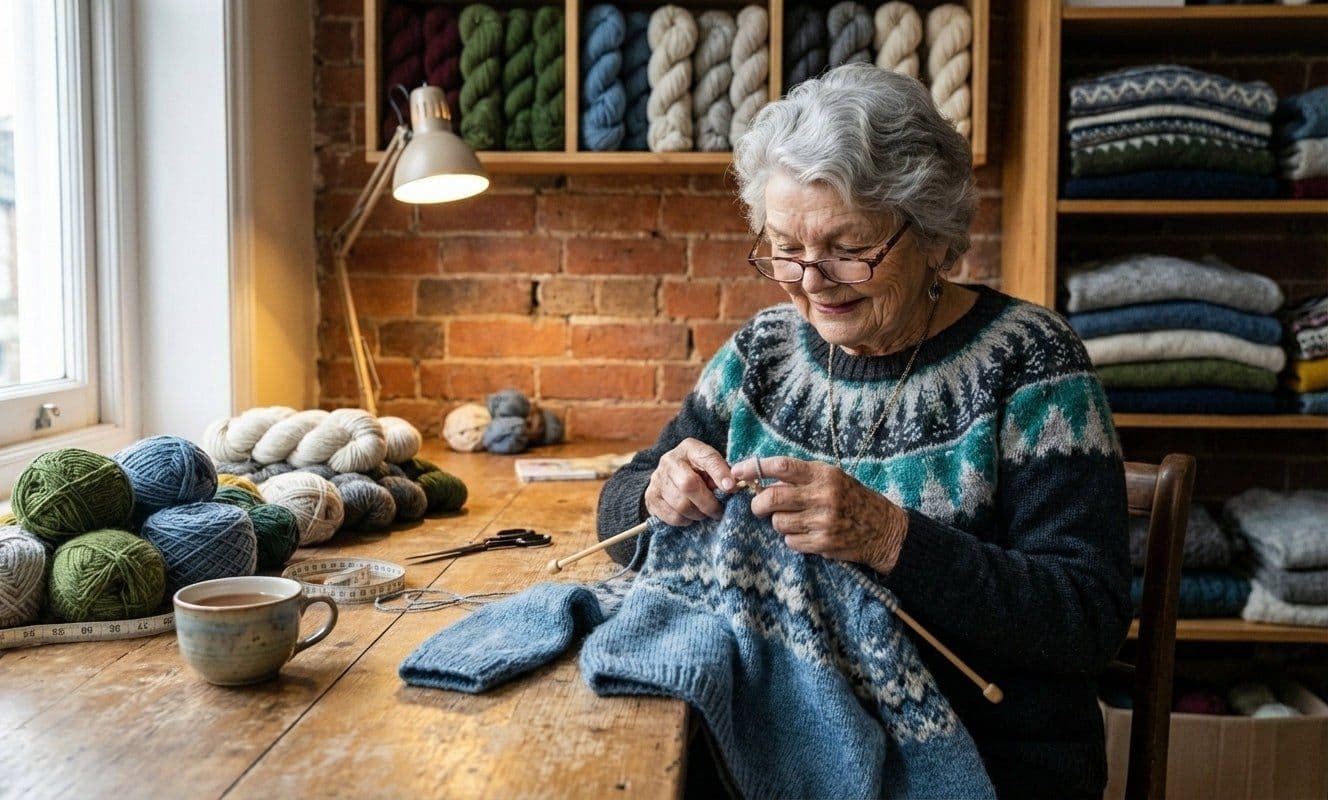
PetiteKnit founder Mette Wendelboe Okkels turned a sideline in knitting patterns into one of the most influential craft businesses in the world, and this week the former medical student became the subject of a New York Times profile tracing that unlikely rise. The Danish designer's brand is renowned for its precision and its idyllic evocation of Scandinavian life. Okkels launched the PetiteKnit label in 2015, bringing a fresh perspective to traditional Scandinavian knitwear techniques. Her designs balance accessible construction methods with sophisticated styling, appealing both to novice knitters attempting a first sweater and to experienced crafters seeking refined wardrobe staples. The patterns are sold as digital downloads through the brand's own website and on Ravelry, the knitters' marketplace. From the beginning, the aesthetic was consistent: clean lines, wearable silhouettes and an understated palette drawn from the Scandinavian landscape. The numbers behind the brand tell the story of a genuine phenomenon. Popular patterns such as the No Frills Sweater, the Oslo Hat and the Sophie Scarf have made PetiteKnit a fixture of knitting culture, and the designer has gathered more than one million followers on Instagram, a reach few independent craft businesses ever achieve. The brand's growth mirrors a broader revival of interest in handmade clothing, as shoppers weary of fast fashion look for garments with provenance. ## How PetiteKnit turned patterns into profit The business model is disarmingly simple: digital knitting patterns sold directly to knitters, with no inventory and no middlemen. Each release is graded across sizes, tested by knitters and photographed to a consistent standard, and the steady cadence of new designs keeps the audience returning. In the creator economy, few solo-founded brands have converted attention into revenue as efficiently. What sets the work apart is a distinctly Danish sensibility. Danish knitwear designers combine fashion with craft, producing pieces that look as though they could have come from a store rather than a living room. That polish, paired with meticulous instructions, is why a PetiteKnit design can be as popular in South Korea as it is in Denmark — and why Danish knitwear now sets the tone for the global market. ## The PetiteKnit aesthetic: Scandinavian precision Mette Wendelboe Okkels trained in medicine before committing to design full time, and the discipline shows in the work. Every pattern is engineered with the same rigour, from gauge calculations to finishing details, and knitters prize the brand for instructions that rarely leave them guessing. Knitters frequently cite the clarity of the instructions as the reason they return, and the patterns' popularity has made them staples of knitting social media. That reputation has compounded over a decade. Where once independent designers depended on magazines and yarn companies for distribution, platforms such as Ravelry and Instagram have let PetiteKnit reach a global audience directly, with Okkels reinvesting the proceeds into the small team that now supports the operation. The direct-to-consumer model also gives the brand control over pricing and presentation that wholesale distribution never allowed. ## What PetiteKnit means for the creator economy The profile arrives as the creator economy matures. Researchers studying successful independent designers note that the most durable businesses are rarely solo efforts for long: behind the public face sits a support system of tech editors, test knitters, photographers and administrators. PetiteKnit now employs staff, a quiet marker of how far a pattern business can scale. For aspiring designers, the lesson is less about knitting than about systems. Consistent quality, a recognisable aesthetic and direct relationships with customers have carried the brand further than any single viral pattern. A decade after its founding, the business Mette Wendelboe Okkels built from knitting patterns remains the benchmark for turning craft into commerce.