Jobs survey to count gig workers separately from 2027
India's statistics office has proposed a separate survey stratum for digital platform workers from January 2027, plus new questions on unpaid work.
by Trends DeskOctober 25, 20263 min read
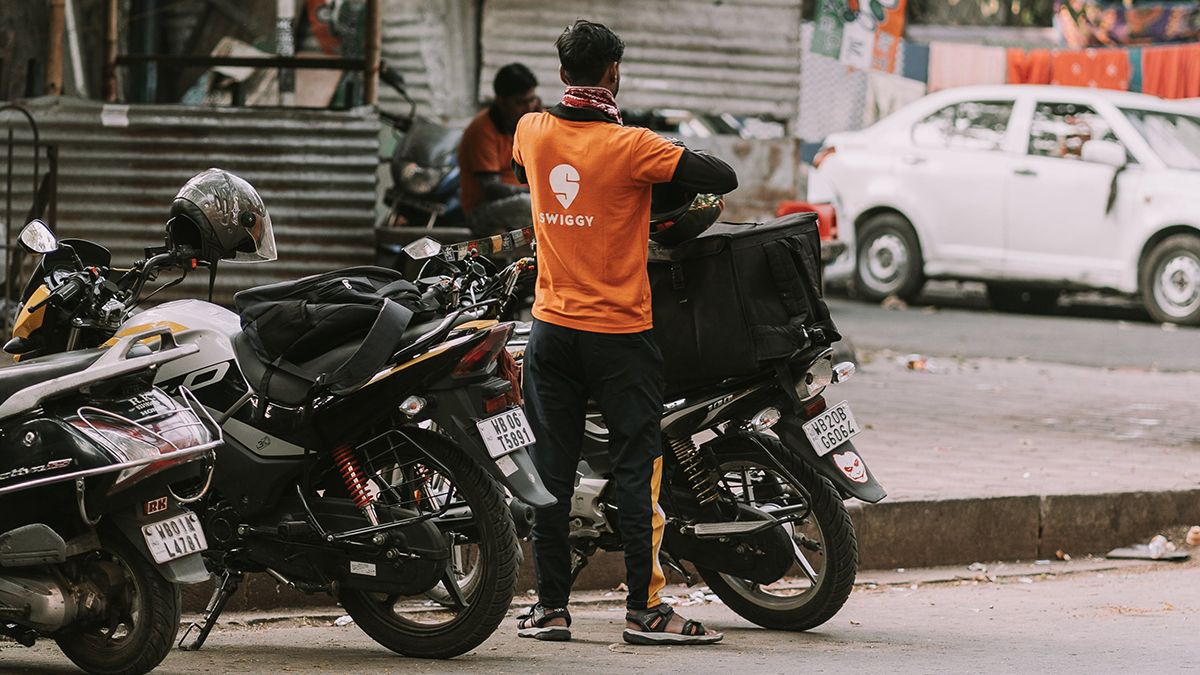
India's statistics office has proposed a separate survey category for gig workers from January 2027, so that digital platform workers show up properly in the country's jobs data. The proposal is part of a redesign of the Periodic Labour Force Survey (PLFS), set out in a concept note released on October 23, 2026.
The National Statistics Office (NSO), under the Ministry of Statistics and Programme Implementation (MoSPI), has invited comments from policymakers, researchers, academic institutions and the public within 15 days of the announcement. The changes are proposals for now, and the ministry will finalise them after considering the feedback.
Why gig workers were undercounted
The PLFS 2026 experience showed that the existing design did not capture enough digital platform and gig workers. The NSO has collected experimental data on digital platform workers since January 2026, but the numbers were too thin to give a clear picture of this part of the labour market.
The survey will ask rural and urban households whether any member engaged in digital platform work at any time during the previous 365 days. Platforms named in the discussion include Ola, Uber, Zomato, Amazon and Urban Company. A separate Second Stage Stratum will be created for households with at least one digital platform worker, with four strata in rural areas and five in urban areas, and 14 households covered in each selected First Stage Unit. The aim is to count gig workers who would otherwise be missed by the current sampling frame.
What changes for gig workers from January 2027
The new design will take effect when fresh samples for the 2027-28 cycle, called Panel 6, are drawn from an updated sampling frame. The current cycle, Panel 5, ends in December 2026. The updated frame reflects urbanisation, the creation, splitting or merger of districts and administrative units, and the latest Urban Frame Survey.
For the first three months of 2027, samples will be drawn from both the old Panel 5 frame and the new Panel 6 frame, and pooled monthly estimates from both frames will be published. Relative Standard Error estimates will not be available during this three-month transition.
For gig workers, the practical effect is visibility. Workers who earn through apps have grown in number, but official data has not kept pace, and the new stratum is designed to close that gap.
The changes come at a time when headline unemployment stands at 5 per cent, and when debate continues over whether official jobs data captures underemployment and the quality of jobs. Labour economist K.R. Shyam Sundar called the changes 'half a step', saying many workers operate outside digital platforms. He added that measuring unpaid work could eventually prompt changes in how national income is calculated.
Unpaid work enters the jobs survey
The redesign also adds questions on own-use production of goods, unpaid household work, caregiving, volunteer work and unpaid trainee work. These items will be covered in both rural and urban areas during the first visit only, for persons aged 15 years and above, which allows annual reporting on these activities.
The ministry said including these items will give a fuller assessment of forms of work beyond conventional employment, improve data on unpaid and non-market activities, and support a broader view of how individuals contribute to household and community well-being.
NITI Aayog estimated in 2022 that gig workers numbered 77 lakh in 2020-21, with a projection of 2.35 crore by 2029-30. The new survey stratum is meant to test such estimates against regular survey data once the redesigned PLFS begins.
MoSPI will finalise the design after the 15-day feedback window. If the proposals stand, the first gig workers data from the new design will come from the 2027-28 cycle.