PM-DAKSH trained 1.87 lakh, placed 96,162 in four years
PM-DAKSH trained 1,87,305 candidates and placed 96,162 between 2020-21 and 2023-24, before the scheme was folded into PMKVY.
by Trends DeskOctober 25, 20263 min read
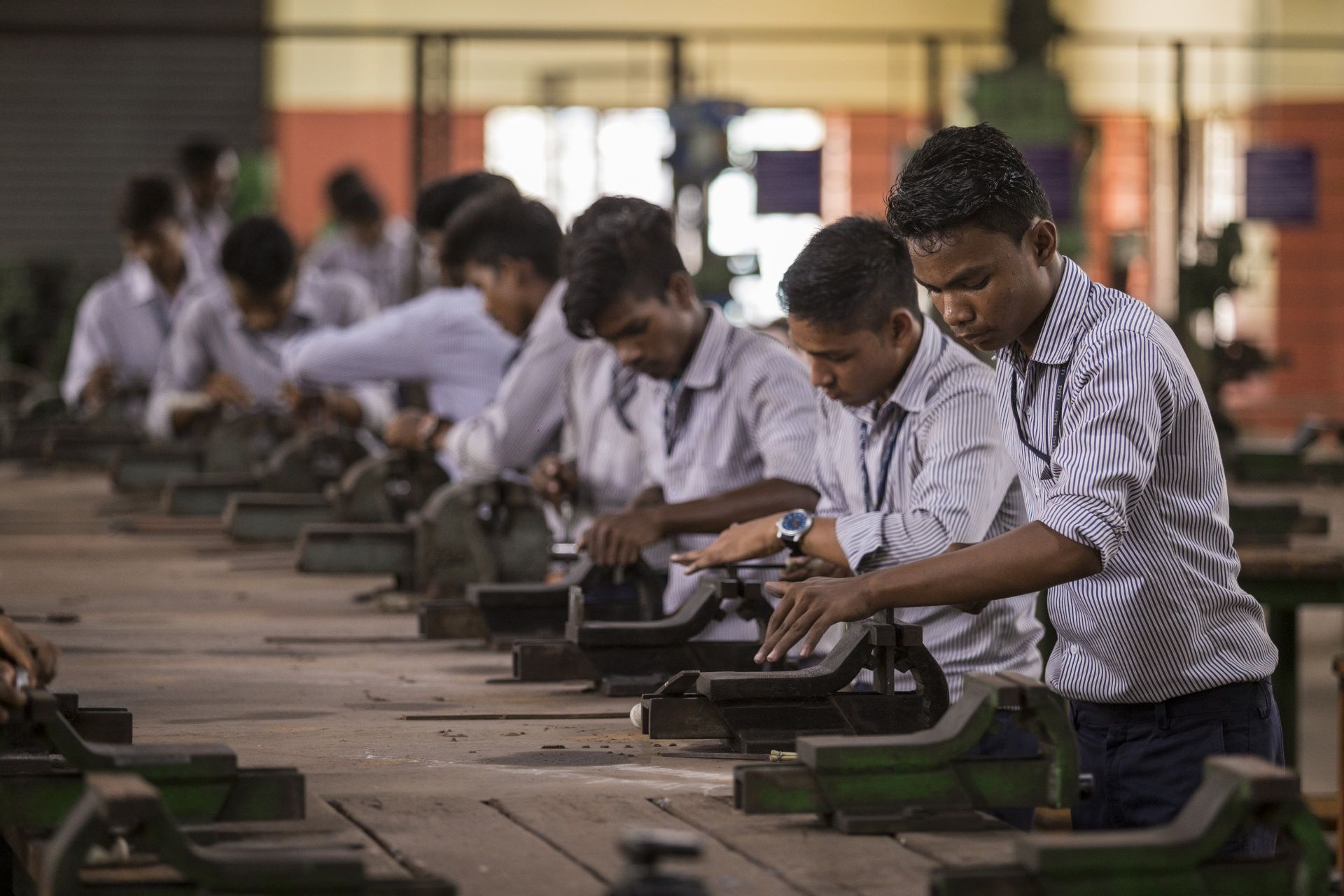
PM-DAKSH trained 1,87,305 candidates and placed 96,162 of them in wage employment or self-employment between 2020-21 and 2023-24, according to a factual report from the Department of Social Justice and Empowerment. The scheme, Pradhan Mantri Dakshata Aur Kushalta Sampann Hitgrahi, was a Central Sector Scheme launched in 2020-21.
PM-DAKSH provided skill training to Scheduled Castes, Other Backward Classes, Economically Weaker Sections, De-notified Tribes and Safai Karamcharis, including waste pickers. Training was delivered through institutes empanelled under the Pradhan Mantri Kaushal Vikas Yojana (PMKVY) of the Ministry of Skill Development and Entrepreneurship.
Who the scheme trained
The scheme was implemented through three corporations of the department: the National Scheduled Castes Finance and Development Corporation, the National Backward Classes Finance and Development Corporation and the National Safai Karamcharis Finance and Development Corporation. The department released funds to the corporations, which reimbursed training costs to the institutes under the scheme guidelines and work orders.
Job roles for skill training came from the Skill India Digital Hub portal. The corporations also extended loan facilities and handholding support to eligible young people from the target groups who wanted to set up their own projects.
The scheme was open to candidates aged 18 to 45 years. Income ceilings applied to some groups: below 3 lakh rupees for OBC candidates and below 1 lakh rupees for EBC candidates, with no income limit for Scheduled Caste, Safai Karamchari and De-notified Tribe candidates.
PM-DAKSH funds and placement rule
Against an allotment of 276.47 crore rupees for PM-DAKSH from 2020-21 to 2023-24, actual expenditure so far is 309.5 crore rupees. The report did not explain the difference between the two figures.
Under PM-DAKSH, after training, institutes were required to provide wage employment or self-employment to at least 70 per cent of trained candidates. If that bar was not met, the third instalment, equal to 30 per cent of the training cost, was forfeited. Training institutes were also required to work with relevant industries so that trainees could find jobs.
The evaluation study cited in the report found strong relevance and learning effectiveness, with over 90 per cent of beneficiaries saying the training matched their career goals and local labour market needs and delivered the intended learning outcomes. The study also recorded non-material gains such as improved confidence, self-esteem and social recognition, particularly among women and marginalised groups.
Sustainability outcomes were largely positive, with most beneficiaries continuing to use the skills acquired, expecting long-term income growth, reinvesting in development and feeling capable of maintaining improvements independently, the evaluation found.
PM-DAKSH now part of PMKVY
From 2024-25, PM-DAKSH was subsumed under PMKVY, which is run by the Ministry of Skill Development and Entrepreneurship. The department said the merger sought to avoid duplication, since PM-DAKSH drew its training job roles from the Skill India Digital Hub portal, and these were also covered under the larger programme.
Most beneficiaries continue to use the skills they gained, expect their income to grow over time, and feel able to sustain their gains on their own, according to the evaluation. The report was released on October 22, 2026.
For the candidates counted in the report, the headline numbers are 1,87,305 trained and 96,162 placed across the four years. The placement figure is just over half of those trained. The four-year window covers the scheme from its launch in 2020-21 until it was folded into the larger programme.