Samarth 2.0 Skilling Push: Rs 25,000-Crore Textile Plan
The Samarth 2.0 skilling push proposes Rs 25,000 crore over five years to train textile workers and sharpen India's export competitiveness nationwide.
by Trends DeskOctober 19, 20264 min read
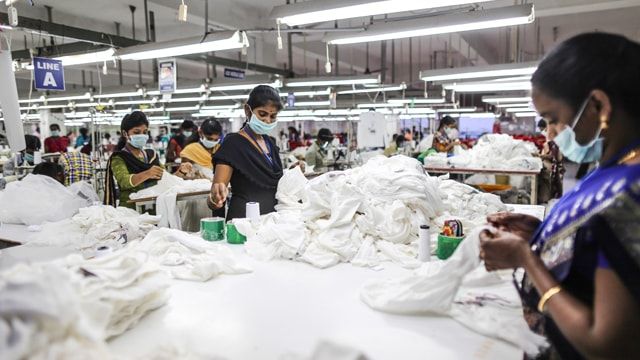
New Delhi: The Union government is considering a ₹25,000-crore Samarth 2.0 skilling push for the labour-intensive textiles and garments sector over the next five years, as it seeks to build a larger pool of industry-ready workers and sharpen India's manufacturing and export competitiveness amid global trade and geopolitical tensions, two people aware of the matter said.
The proposed ₹25,000-crore Samarth 2.0 skilling outlay would sharply exceed the ₹740 crore spent under the existing Samarth scheme for textile workers over the five years to March 2026; the current fiscal year's allocation stands at ₹300 crore. The textiles ministry's skill development proposal has been examined by the Expenditure Finance Committee, an inter-ministerial body that appraises government schemes, and could soon be placed before the Union Cabinet for final approval, the people said, speaking on condition of anonymity.
Why the Samarth 2.0 skilling push matters now
The development assumes significance because textiles and garments form the country's largest employer after agriculture, providing jobs to 45 million people and supporting the livelihood of more than 100 million people, most of them women and rural textile workers.
The Samarth 2.0 skilling programme, announced in the budget for 2026–27, aims to modernise the existing skilling framework through closer collaboration between industry and academic institutions, with a focus on preparing textile workers for changing technology and industry requirements. Once the Cabinet approves it, the Samarth scheme will be rolled out through industry partners, academic institutions and other sector organisations.
Samarth 2.0 skilling and the export target
India is also planning to more than double its textile exports to $100 billion by 2030 by better leveraging various free trade agreements, which requires a large and trained workforce. Textiles minister Giriraj Singh has said India's 15 FTA partners offer a textiles market of $198 billion, against the country's current exports of only $11.5 billion to these destinations, indicating substantial headroom for growth in textile exports.
The timing of the Samarth 2.0 skilling push is crucial. India's free trade agreement with the United Kingdom came into force this year, while the one with the European Union is expected to take off from early 2027 — both promise duty-free access for textiles and apparel. The EU currently levies duties of up to 12 per cent on Indian textiles and garments, while Bangladesh enjoys duty-free access as a least developed country; the UK had imposed similar duties before its pact with India took effect from July.
Samarth 2.0 skilling: lessons from Samarth 1.0
Industry executives and experts welcomed the move, while stressing that training must focus on industry-relevant skills rather than headcounts alone. "Expanding the skilling programme could help address the shortage of trained workers," said Raja Shanmugam, a knitwear exporter and former president of the Tiruppur Exporters' Association, adding that the emphasis should be on skills, productivity and employability rather than training numbers alone. Training must keep pace with changes in technology, quality standards and global buyer requirements, he said, and closer collaboration between exporters and training institutions would be essential.
"Samarth 2.0 can help bridge the gap between classroom training and workplace needs by bringing industry and academic institutions closer to the skilling process," said Babita Biswas, founder-chairperson of Briatoshs, a trust that works with crochet weavers. The focus, she added, should be on practical skills, quality training and better employment outcomes.
The Samarth 2.0 skilling plan also complements other skill development measures, including mega textile parks and capital aid for machinery and technology upgrades in traditional clusters, aimed at addressing productivity gaps, strengthening textile exports and helping India regain its export edge over Bangladesh and Vietnam.
Samarth 1.0, launched in 2017, covers entry-level training as well as upskilling and reskilling of existing workers in the textiles and garments sector, excluding the organised spinning and weaving segment. As of 16 October, 7,38,182 workers had been trained under entry-level programmes across 4,614 training centres and 323 implementing partners, according to the ministry's Samarth dashboard, while another 26,786 beneficiaries were covered under upskilling and reskilling across 168 active centres and 33 implementing partners.
Queries emailed to the secretaries of expenditure and textiles, and the spokesperson of the textiles ministry, remained unanswered till press time. If the Cabinet approves the proposal, the Samarth 2.0 skilling programme could become one of the largest government-funded skilling interventions in the sector's history.