South Korea Auto Exports Fall 5.5% on Mideast Tensions
South Korea's automobile exports fell 5.5% in September to $6.05 billion as Middle East tensions and weaker used-car shipments weighed on trade.
by Trends DeskOctober 20, 20263 min read
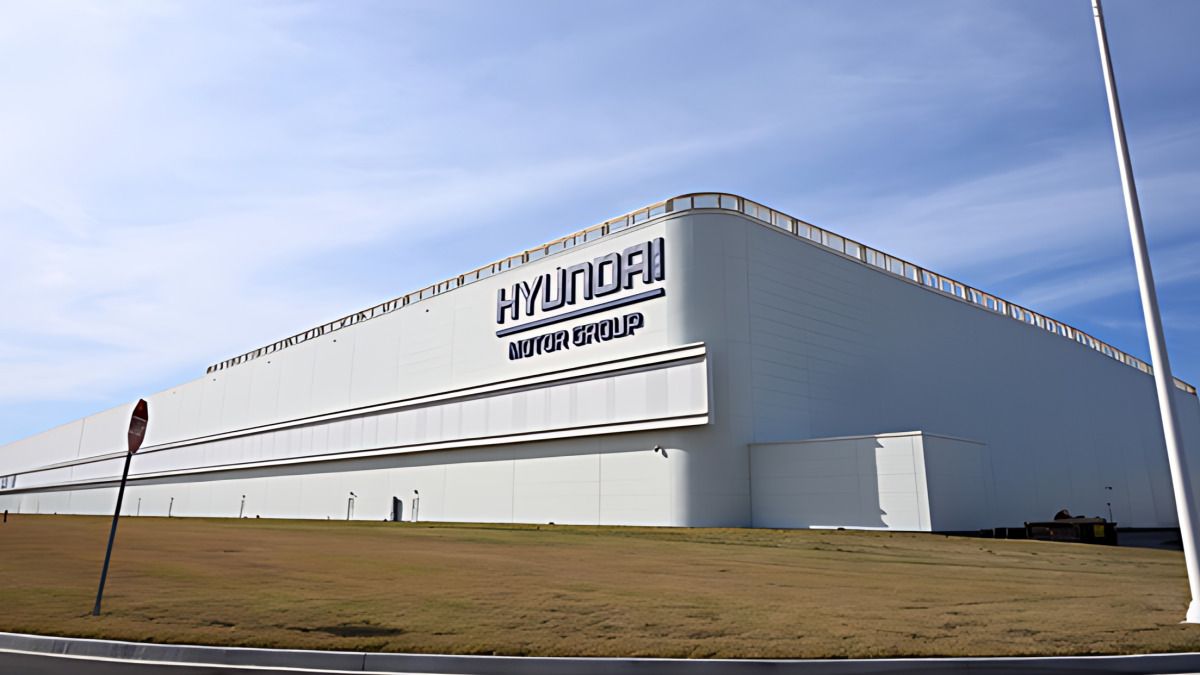
South Korea auto exports fell 5.5 per cent in September from a year earlier, as persistent regional tensions and a decline in used-car shipments weighed on trade, according to government data released on Monday.
South Korea Auto Exports Slip in September
The value of automobile exports dropped to US$6.05 billion last month from $6.4 billion a year earlier, the Ministry of Trade, Industry and Resources said. "Escalating tensions in the Middle East and a decline in used-car shipments due to tighter regulations in major export markets weighed on exports," the ministry said, according to Yonhap news agency. The figures confirm that South Korea auto exports remain exposed to geopolitical shocks despite the country's manufacturing strength.
By region, the picture was mixed. Exports to North America and the European Union increased 9.2 per cent and 15.3 per cent respectively, to $3.07 billion and $1.11 billion. Shipments to Asia and the region, on the other hand, plunged 60 per cent and 7.1 per cent respectively, to $330 million and $350 million, dragging the overall performance of South Korea auto exports lower despite the gains in Western markets.
Middle East Tensions Weigh on Shipments
The ministry pointed to escalating tensions in the Middle East as a key drag, alongside tighter regulations on used-car shipments in major export markets. The 7.1 per cent fall in shipments to the region, to $350 million, shows how quickly instability can feed through to order books. For an export-led industry, such volatility underscores the importance of diversified markets.
Eco-Friendly Vehicles Buck the Trend
There was a bright spot. Exports of eco-friendly vehicles, including battery electric and gasoline hybrid models, rose 5.9 per cent to $2.89 billion. Electric vehicles continue to gain share as buyers in developed markets shift toward cleaner transport, and the resilience of electric vehicles offers a partial offset to weakness elsewhere in South Korea auto exports. The numbers will be watched closely at Hyundai and Kia, the country's biggest exporters, as both Hyundai and Kia expand their hybrid and battery-electric line-ups to meet tightening emissions rules abroad.
Chuseok Holiday Dampens Domestic Sales
At home, domestic vehicle sales fell 14.3 per cent to 135,000 units last month, largely because fewer working days were available during the Chuseok holiday. The number of locally produced vehicles rose 3.7 per cent to 347,000 as productivity improved at major automakers following wage agreements with labour unions. The Chuseok effect is seasonal, and dealers expect showroom traffic to normalise in the coming weeks as the holiday disruption fades.
What Slowing South Korea Auto Exports Mean Ahead
The government said it will support the automobile industry's sustainable growth through close engagement with manufacturers as competition from Chinese automakers intensifies. Whether South Korea auto exports can rebound in the final quarter will depend on stability in the region and continued momentum in North America and Europe, where demand held up well in September. Analysts will watch October figures closely for early signs of recovery.
Meanwhile, Seoul shares narrowed their losses late on Monday morning, helped by institutional buying after a technology-led sell-off on Wall Street. The benchmark KOSPI was down 0.26 per cent at 5,653.25 as of 11:20 am. For now, the message from the September data is that South Korea auto exports face a two-speed world. Eco-friendly models are powering ahead while conventional shipments navigate geopolitical headwinds.