Supreme Court limits Article 226 disciplinary inquiry role
The Supreme Court set aside a Madras High Court division bench order and restored the writ court decision in the Periyar University service case.
by Trends DeskOctober 25, 20264 min read
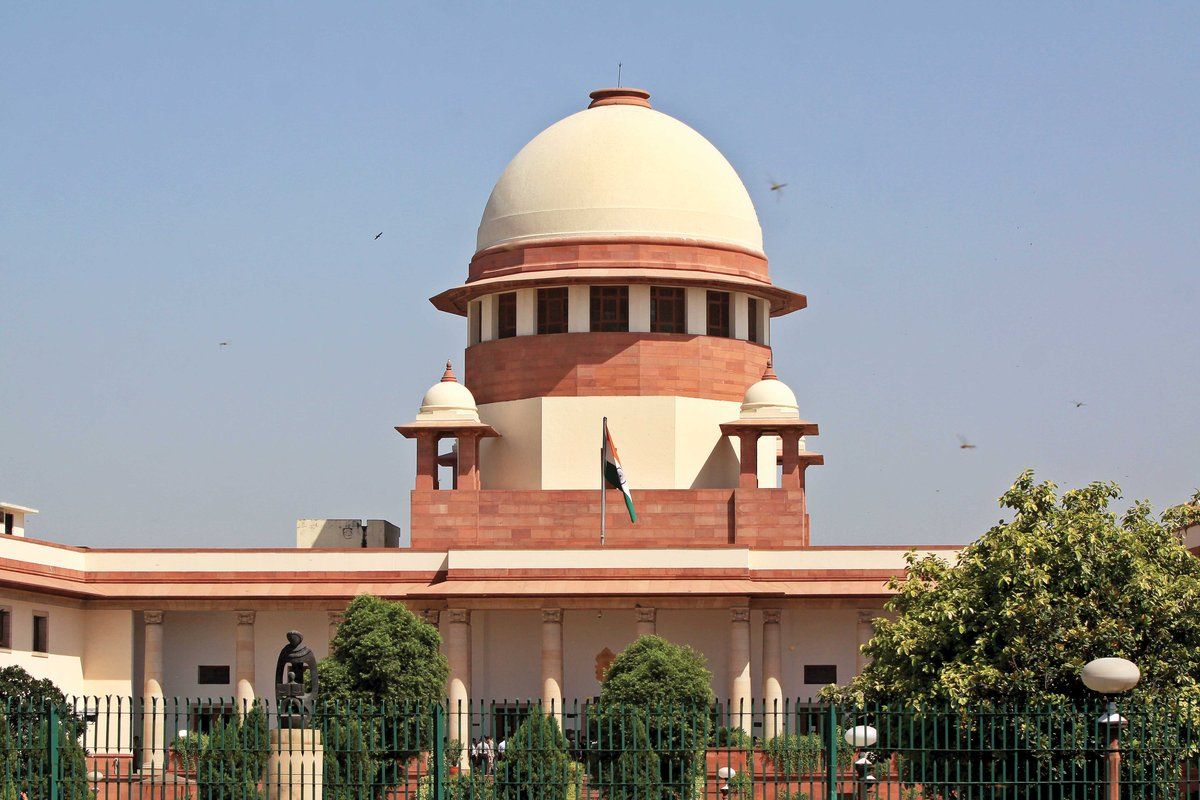
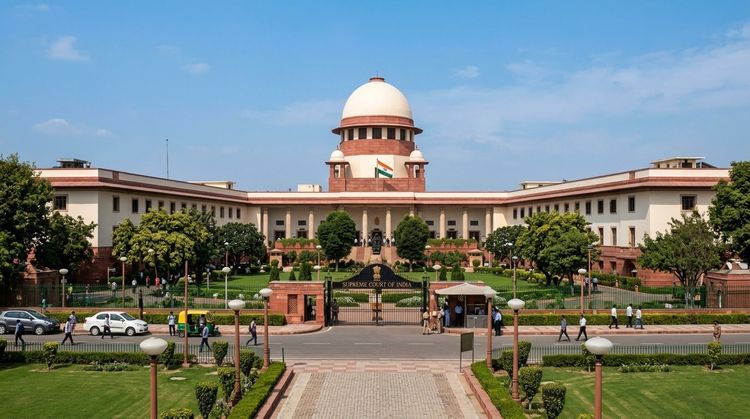
The Supreme Court has set out the limits on High Court interference with findings from a disciplinary inquiry, in a judgment on a disciplinary inquiry that reached the court as a service appeal that restored a Periyar University official to service. A bench of Justices Prashant Kumar Mishra and Shree Chandrashekhar delivered the ruling on 16 October 2026 in the case of R Saravanan against Periyar University. The court set aside a Madras High Court division bench judgment dated 29 August 2019 and restored the decision of the writ court, which had granted Saravanan relief.
Saravanan was deputy registrar of Periyar University. He was removed from service after a disciplinary inquiry into allegations that he held assets disproportionate to his known sources of income. A single judge of the Madras High Court, sitting as the writ court, interfered with the punishment. A division bench of the same court later reversed that order and restored his removal. The Supreme Court has now reversed the division bench.
What the disciplinary inquiry record showed
Reports of the judgment said the inquiry report, prepared by a one-member commission set up by the university, pronounced Saravanan guilty without evidence. The Supreme Court said the division bench had re-appreciated the whole material produced during the domestic inquiry. That task, the court said, belonged to the inquiry officer or the departmental authority, rather than to an appellate bench hearing a Letters Patent appeal.
The appeal was filed by R Saravanan against the division bench order. The court found that the division bench had relied on conjectures to conclude that Saravanan had a vested interest in the matter, had misused his official position, and had manipulated and secured affiliation for a college run by his wife. It also said the division bench had drawn an adverse inference against Saravanan because he had not produced title documents that could establish ownership of a house property. That approach ran against the settled position that the person making an allegation must lead evidence, the court said.
The division bench had also concluded that Saravanan held assets disproportionate to his known income because he was paying monthly instalments towards a house loan and a Santro car while earning Rs 29,175 per month. The Supreme Court did not accept that reasoning as a basis for the finding. The Press Trust of India reported the bench as saying dismissal is the harshest punishment for a government servant, with cascading effects on the family. Termination results in the forfeiture of service-linked benefits, the bench was reported to have said.
Limits on interference in a disciplinary inquiry appeal
The appeal turned on Clause 15 of the Letters Patent of the Madras High Court. The Supreme Court said a Letters Patent bench can review facts, but it must be slow to disturb a writ court decision that rests on relevant considerations. Interference in a disciplinary inquiry appeal requires a demonstrable error, a glaring mistake, or cogent grounds, the court said. A different view of the facts, on its own, is not enough.
The court explained when a writ of certiorari can issue under Article 226 against findings of a tribunal or departmental authority. The grounds include findings based on no evidence, errors of law or jurisdiction, breach of natural justice, and conclusions that are unreasonable. Article 226 gives High Courts wide power, but the court said that power is exercised with restraint in service matters. A court does not sit as an appellate authority over a domestic inquiry, and it does not re-weigh evidence from a disciplinary inquiry as if it were the disciplinary authority.
The bench also rejected the university argument that an alternative remedy under the Tamil Nadu service rules barred the single judge from examining the case. The court held that the division bench had exercised its jurisdiction under Clause 15 in circumstances where there was no ground for such interference. The writ court order therefore stands, and Saravanan gets the relief that order granted.
The judgment, cited as 2026 INSC 1136, restates a familiar line in service law. Courts can correct a finding from a disciplinary inquiry that has no evidence behind it. They cannot use a Letters Patent appeal to conduct a fresh disciplinary inquiry into facts already examined by the writ court. For R Saravanan, the ruling restores the relief granted by the writ court, and it confirms that a disciplinary inquiry must rest on evidence rather than conjecture.