No Reservation After Religious Conversion for OBC, Dalit Converts: Supreme Court
The Supreme Court has ruled OBC and Dalit converts cannot claim reservation after religious conversion, upholding a Madras High Court order.
by Trends DeskOctober 16, 20264 min read
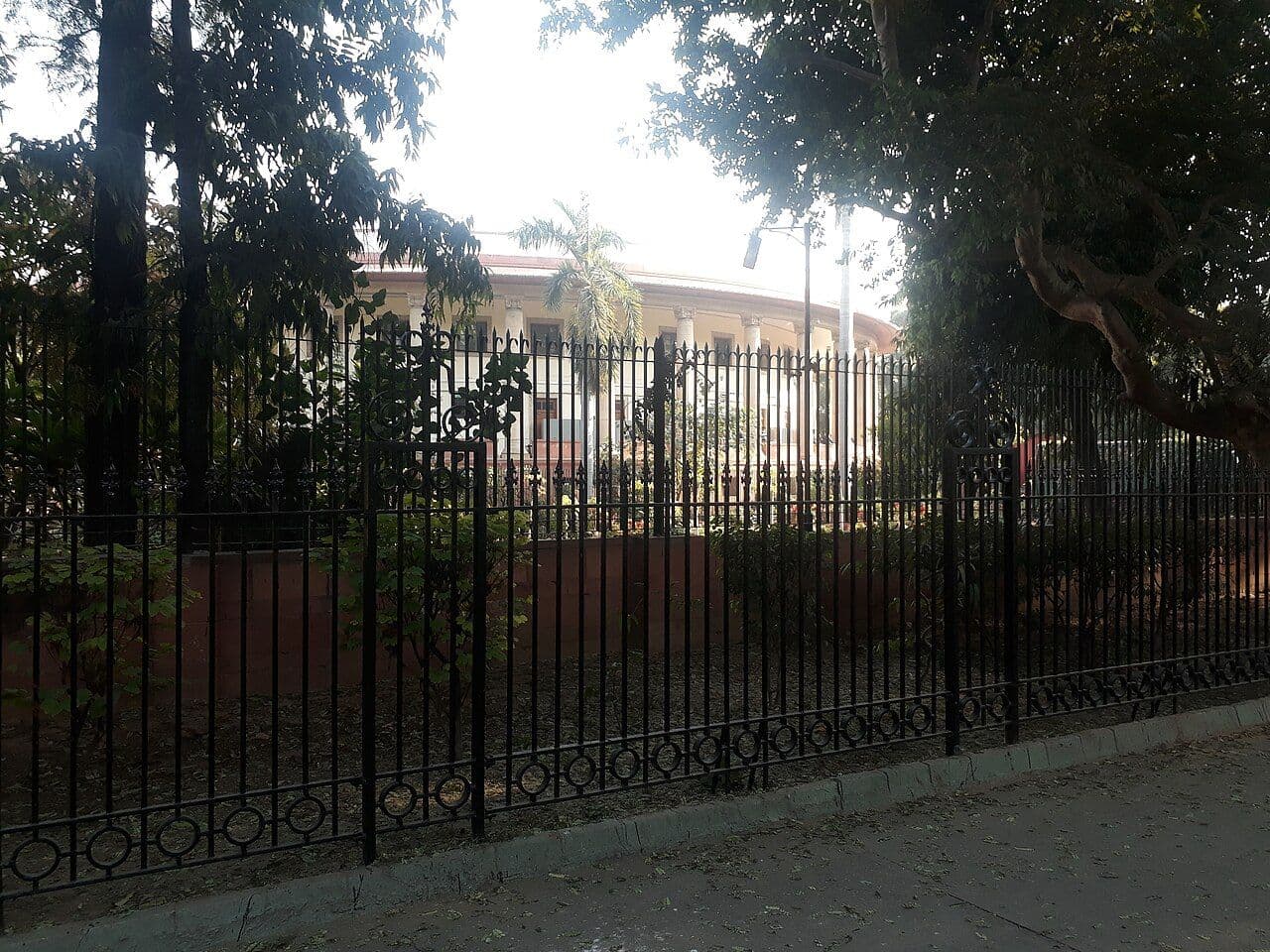
What the Supreme Court Said on Reservation After Religious Conversion
The Supreme Court of India has ruled that members of Other Backward Classes and Dalit communities cannot claim reservation after religious conversion, holding that quota benefits linked to caste do not travel with a person into a new faith. The judgment, reported by The Times of India on October 15, 2026, upholds a Madras High Court order that denied backward-class reservation to individuals who converted to Islam. According to the court, conversion to another religion does not automatically carry caste-based quota status along with it.
In its reasoning, the bench observed that reservation after religious conversion cannot be presumed because affirmative action in India is anchored to historically documented social and educational disadvantage within specific religious communities. The Supreme Court OBC ruling emphasised that the Presidential Orders governing Scheduled Caste status extend to Hindus, Sikhs and Buddhists, a framework the court described as a considered constitutional scheme rather than an open-ended entitlement.
The judges held that a person who embraces a different religion steps outside the social order in which the backwardness was recorded, and therefore the claim to reservation after religious conversion must fail unless the new religious community itself recognises an equivalent backward-class framework supported by evidence.
The Madras High Court Order Behind the Reservation After Religious Conversion Case
The dispute reached the top court after the Madras High Court denied reservation benefits to petitioners who had converted to Islam but continued to seek backward-class quotas. The High Court had reasoned that Dalit converts reservation claims could not survive conversion because the constitutional basis for the quota, untouchability and caste-based exclusion practised within a particular religious milieu, did not extend into the new faith.
The Supreme Court OBC ruling affirmed that analysis, noting that courts cannot rewrite the Presidential Orders or extend quota categories by judicial fiat. According to the court, it is for Parliament and the executive, acting on empirical data, to decide whether any community within another religion qualifies as backward, a task courts cannot perform on the basis of individual conversion claims.
Legal experts say the judgment brings clarity to a long-running grey area in religious conversion quota India jurisprudence, where converts have sometimes continued to use caste certificates issued before conversion.
What the Reservation After Religious Conversion Ruling Means for Quota Law
A central question was whether OBC quota after conversion could continue when the convert's social circumstances arguably remained unchanged. The court acknowledged that social disadvantage may persist after conversion in lived experience, but held that reservation is a constitutional mechanism, not a personal attribute that follows an individual across religions.
The bench pointed out that the OBC list itself is religion-aware: certain backward-class entries are specific to religious communities, and inclusion depends on survey-backed findings of backwardness. Permitting reservation after religious conversion as a matter of individual choice, the court warned, would open the door to forum shopping between quota regimes. The court's reasoning on OBC quota after conversion drew on earlier judgments that treat backwardness as a group characteristic rather than an individual one.
The ruling also touched on Dalit converts reservation claims under the Scheduled Caste category, reiterating that SC status under the Constitution (Scheduled Castes) Order is confined to the religions named therein, and conversion outside those religions extinguishes the claim.
Reactions and What Comes Next
The verdict is expected to influence pending cases across high courts where converts have sought to retain or reclaim quota benefits, and administrators say state backward-class commissions will now scrutinise caste certificates where religious conversion quota India questions arise. Officials have also sought fresh guidelines on how reservation after religious conversion claims should be processed. Supporters of the ruling argue it protects the integrity of affirmative action by keeping benefits tied to documented backwardness, while critics contend it penalises individuals whose social marginalisation does not vanish with conversion.
The court left the door open for legislative action: if a community within any religion is found backward on the basis of fresh data, the state may extend reservation through proper constitutional channels. For now, the message from the Supreme Court OBC ruling is unambiguous: reservation after religious conversion cannot be claimed as a right, and the Madras High Court order denying OBC quota after conversion to those who adopted Islam stands affirmed.
Related articles in Law & Government
View all Law & Government →Browse more stories in Law & Government.


