Plea seeks expert panel to review Election Commission
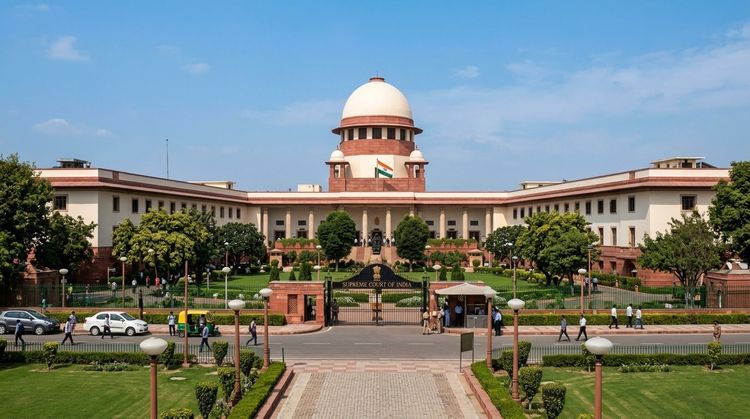
Advocate Vishal Tiwari has filed a Supreme Court plea seeking an expert committee to examine the Election Commission and a ban on religious campaign appeals.
by Trends DeskOctober 25, 20263 min read
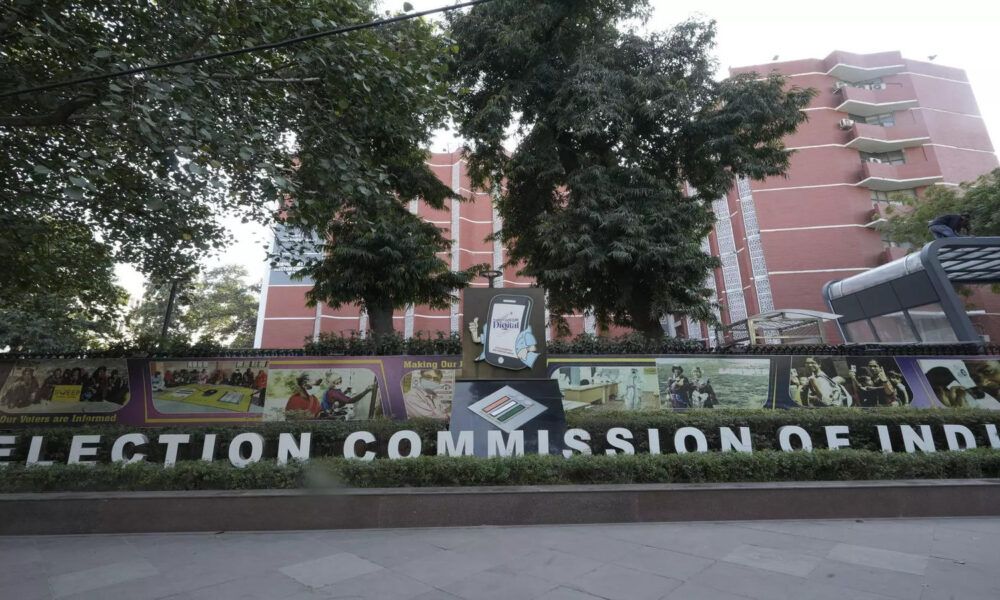
A public interest petition filed before the Supreme Court seeks an independent expert committee to examine the functioning of the Election Commission of India. The plea, filed by advocate Vishal Tiwari, was reported on 24 October 2026. Vishal Tiwari appears as petitioner-in-person, according to reports of the filing. It has not yet been listed for hearing, and no order has been reported on it.
The petition asks the court to set up a committee chaired by a former Chief Justice of India or a former judge of the Supreme Court. The committee would examine institutional shortcomings in the Election Commission, including how the body takes and records decisions, how it revises voter lists, how it hears voter appeals, and how it runs its digital systems. Reports of the plea said the committee would be asked to report within six months and recommend reforms.
The petition also seeks a direction that the poll body enforce an absolute prohibition on election campaigning that uses religious tags, religious symbols, communal appeals, sectarian identity, or hate speech. The petitioner has described the plea as non-partisan and prospective. It does not seek a finding against any political party or office-holder, and it does not challenge the result of any election, the petition states.
What the plea says about Election Commission decisions
The petition relies on a report published on 23 September by The Indian Express. According to the petition, Election Commissioners Sukhbir Singh Sandhu and Vivek Joshi recorded written objections on at least 14 occasions over ten months. The objections concerned decisions said to have been taken unilaterally by Chief Election Commissioner Gyanesh Kumar, the petition states.
The objections related to unauthorised alterations to statutory Form 6, the form used for voter registration, centralisation of the electoral database, appeal filings in West Bengal said to lack approval, and orders on the allocation of work within the Commission. The petition states that the Election Commission acknowledged the dissenting notes but described them as routine suggestions, without clarifying who authorised the changes to Form 6. These are claims made in the petition, and the court has not decided them.
The petition is filed under Article 32 of the Constitution. The respondents named are the Union of India, through the Ministry of Law and Justice, and the Election Commission, through its secretary. Under Article 324, the Election Commission has superintendence, direction, and control of elections. A 2023 law on the appointment and service conditions of the Chief Election Commissioner and Election Commissioners says the Commission should transact business unanimously as far as possible, with differences resolved by majority.
Electoral rolls before the Election Commission
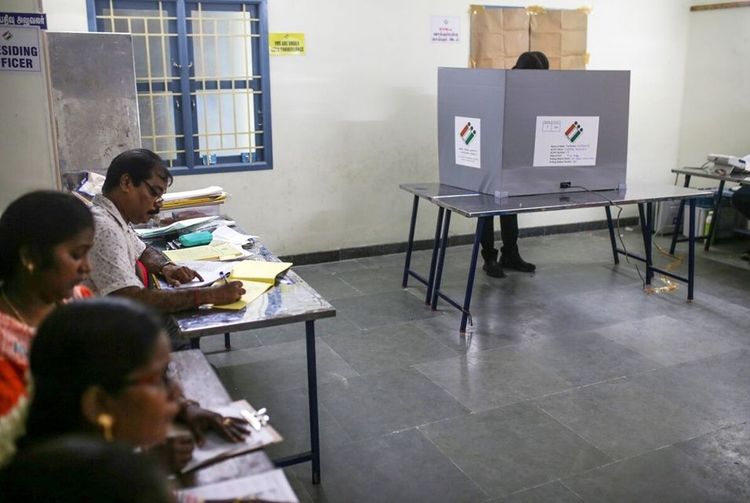
The petition also raises the Special Intensive Revision of electoral rolls in West Bengal. Citing media reports of an Election Commission affidavit, the petition states that about 38.20 lakh appeals were filed by people excluded from the electoral rolls, of which about 1.02 lakh had been disposed of. The Election Commission reportedly sought an increase in appellate tribunals from 19 to 42, according to those reports.
The plea links the revision exercise to the wider questions it raises about decision-making and safeguards for voters. It contends that decisions were taken in the name of the Commission without the concurrence of its members, and that eligible voters risk exclusion without adequate safeguards. The petition invites the court to look at how the Commission takes and records decisions, rather than at individual disputes over the Special Intensive Revision.
No date has been fixed for the hearing. Whether the court entertains the petition, and in what form, will be decided when it is listed. The petition seeks a committee headed by a former Chief Justice or a former Supreme Court judge, a report within six months, and directions on campaigning. Until the court hears the matter, the claims remain those of the petitioner, and the body has not been directed to take any of the steps sought.