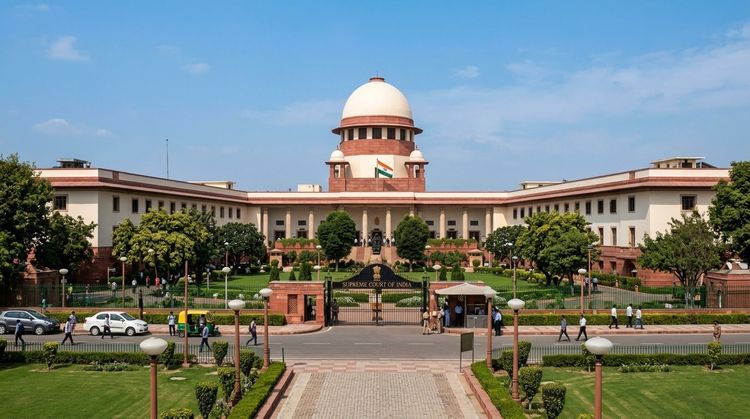
Supreme Court lets SCBA meet on poll reforms, seals result
The Supreme Court allowed the SCBA November 2 meeting on election reforms, directing secret ballot voting and a sealed result for the court.
by Trends DeskOctober 26, 20264 min read
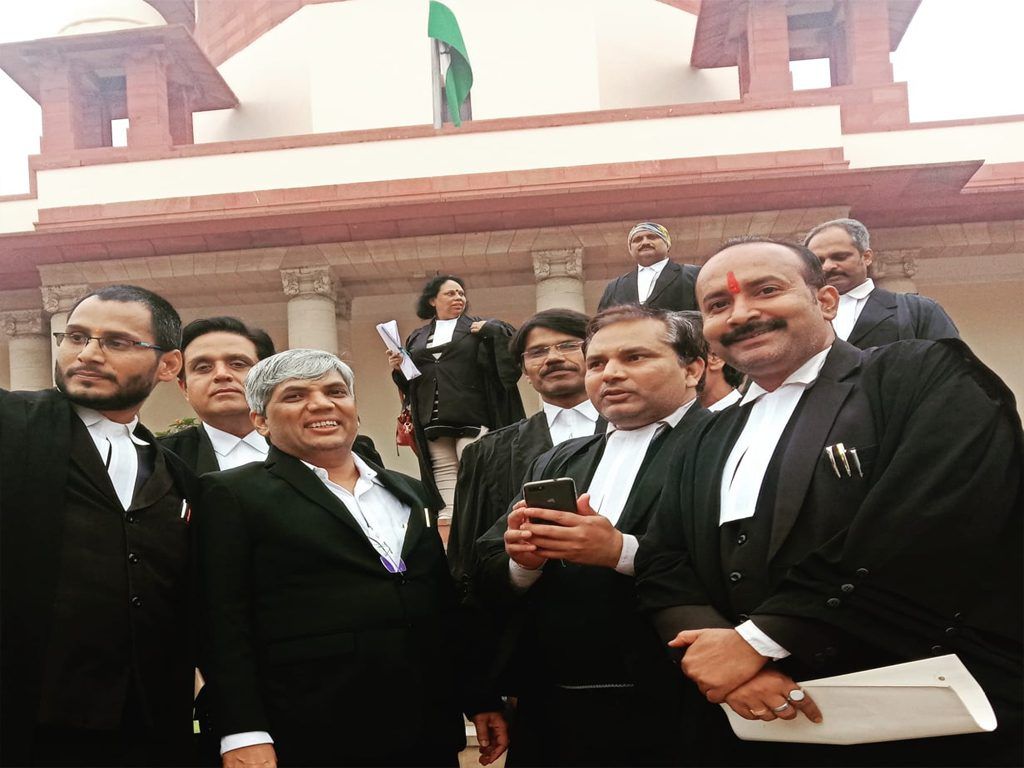
The Supreme Court on Monday allowed the Supreme Court Bar Association (SCBA) to hold its November 2 general body meeting on SCBA election reforms, but directed that the voting outcome not be declared. The result must instead be placed before the court in a sealed envelope. The bench also directed that voting take place by secret ballot. The meeting can therefore go ahead, but its decisions will not take effect in public until the court has seen the outcome.
A bench of Chief Justice of India Surya Kant, Justice Joymalya Bagchi and Justice V Mohana passed the directions after senior advocate Jaideep Gupta raised concerns about the meeting. Gupta heads the court appointed committee examining SCBA election reforms. He told the court that the SCBA had called a special general body meeting to pass two resolutions linked to the court's May 29 order, one on proximity card entry into the Supreme Court premises and one on veteran members of the Bar. The matter is listed for hearing on November 5 in Supreme Court Bar Association v. BD Kaushik, in which the court is considering reforms to the SCBA election process.
Why the SCBA election reforms meeting drew concern
Gupta said he was not opposing any resolution. His concern, as reported by LiveLaw and Bar and Bench, was timing and process. The meeting was convened without consultation with the committee, he submitted, and it appeared to overreach the court's order, since the matter comes up for hearing three days after the meeting. He also cautioned that a resolution passed at the meeting would become binding at once. That, he argued, would partly settle questions the court is still to hear on November 5.
SCBA president and senior advocate Pradeep Rai responded that the association wanted to ascertain the views of its members. He said the executive committee preferred consulting members before forming an opinion, and that the concern could have been resolved through discussion rather than by approaching the court. The bench chose a middle course on SCBA election reforms. It kept the SCBA election reforms outcome sealed while letting members vote. It did not stop the meeting, and it did not let the result stand on its own. By ordering a sealed envelope, it kept the members' views on record while keeping the final say with the court.
What the SCBA election reforms process has decided so far
Chief Justice Kant said during the hearing that the aim of the proposed reforms was to strengthen genuine practitioners of the Supreme Court. He said the idea was not to take away rights, but to strengthen the hands of the Bar, and that those with no connection to the profession should be kept out. The remark sets the tone for the November 5 hearing, but it is not itself a ruling on the two resolutions. The court will examine the sealed result alongside the committee's report and the parties' arguments.
The wider SCBA election reforms exercise goes back to the court's May 29 order, which prescribed revised eligibility criteria for SCBA elections after recommendations from a committee headed by former Supreme Court judge L Nageswara Rao and suggestions from the association and other members of the Bar. The court has since been monitoring the process, including questions of voter eligibility, proximity card records and the treatment of veteran members. The November 2 meeting is one step in that process, not its end.
For members following the SCBA election reforms process, the immediate position is clear. The SCBA election reforms debate will continue at the November 5 hearing, when the court sees the sealed result and the committee report. They may meet on November 2, vote by secret ballot on the two resolutions, and have their votes counted for the court's eyes only. Nothing will be declared at the meeting. The court will decide what follows when the case is heard on November 5. That sequence protects both sides of the argument: members get to express a view, and the court keeps control of a reform process it is supervising.