Supreme Court seeks Tripura reply on Jamatia law plea
The Supreme Court sought replies from Tripura and the TTAADC on a plea challenging Section 143 of the Jamatia Customary Law Act, 2017.
by Trends DeskOctober 26, 20264 min read
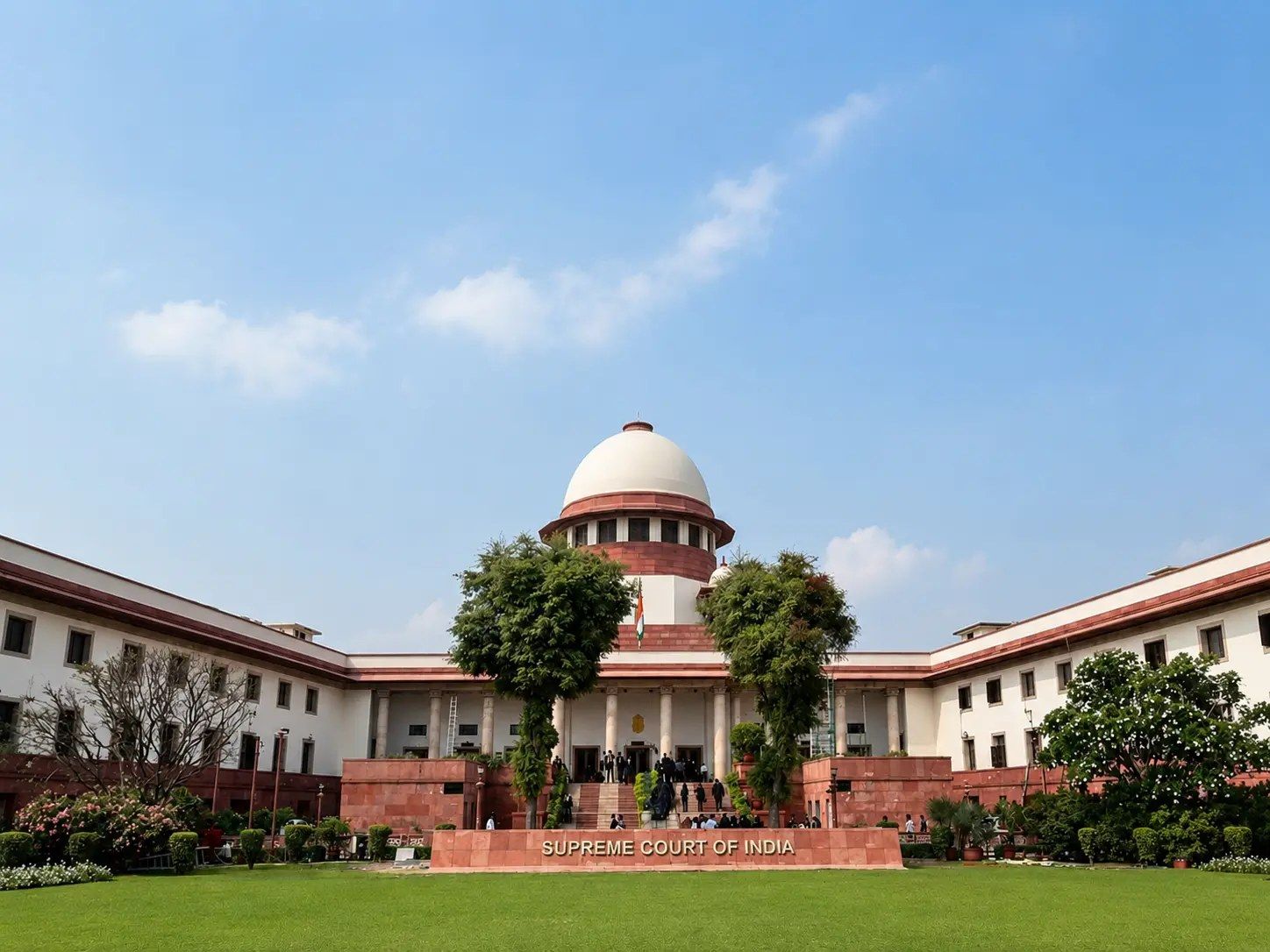
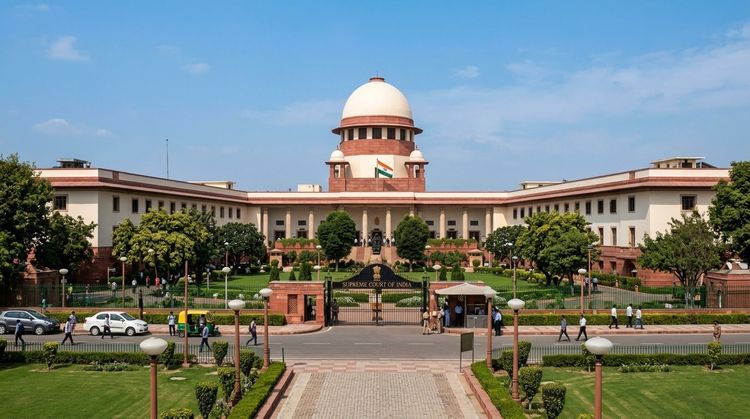
The Supreme Court on Monday sought responses from the Tripura government and the Tripura Tribal Areas Autonomous District Council (TTAADC) on a public interest plea challenging a provision of the Jamatia Customary Law Act, 2017. The plea, filed by Madhumita Bhattacharya through advocate Shoumendu Mukherji, questions the constitutional validity of Section 143 of the Jamatia Customary Law Act. A bench of Chief Justice of India Surya Kant, Justice Joymalya Bagchi and Justice V Mohana heard the matter and tagged the petition with a pending case. The court has not decided the challenge. It has only asked the respondents to reply, so the provision remains in force for now.
According to Verdictum, which reported the hearing with PTI inputs, Section 143 of the Jamatia Customary Law deals with financial punishment for the enticement and rape of a woman. The petitioner alleges that the clause allows an accused in rape related cases to escape with financial penalties under the customary adjudication mechanism. That allegation is the petitioner's case. The court has not accepted it as a finding, and the respondents have yet to file their replies. The distinction matters because a notice on a plea is a step toward a hearing, not a ruling on the merits.
What the Jamatia Customary Law plea challenges
The petitioner has sought a direction declaring the provision ultra vires the Constitution. The plea also seeks production and transmission of relevant records concerning the enactment of the 2017 law before the apex court. Under the provision under challenge, Verdictum reported, a party aggrieved by a judgment or decision of the Okras, the traditional Jamatia spiritual and community leaders or adjudicators, may approach the appropriate formal forum. The plea therefore raises two linked questions: whether a customary forum may impose a financial penalty in such cases, and whether the provision survives constitutional scrutiny.
The 2017 law was passed by the TTAADC under the Sixth Schedule of the Constitution to codify traditional customs and dispute resolution mechanisms of the Jamatia community. The Sixth Schedule gives autonomous district councils in parts of the north east law making powers over specified subjects, within limits set by the Constitution. The petition tests one of those limits. It does not challenge the whole Act. It targets Section 143 alone, and it asks the court to examine whether that section conflicts with constitutional guarantees.
Why the Jamatia Customary Law case will be watched
Cases of this kind sit at the meeting point of tribal autonomy and individual rights. Supporters of customary systems say they settle local disputes in ways a community understands and accepts. Critics say criminal wrongs, above all sexual offences, belong in the formal criminal justice system, where penalties and safeguards are set by statute. The court will have to weigh those arguments on the Jamatia Customary Law challenge once replies are filed. The Jamatia Customary Law question is narrow, since only one section is under challenge, but its answer will affect how customary penalties are viewed. For now, the only firm facts are procedural: a plea was filed, a bench sought replies, and the case was tagged with a pending matter.
Tripura and the TTAADC will now set out their positions. They may defend the provision, explain how it works in practice, or point to the formal forum route that Verdictum described. The petitioner will then have a chance to respond. The court may also hear other parties if it considers their views useful. Until that process runs its course, readers should treat the petitioner's claims as allegations in a pending case, not as conclusions reached by the court.
The case also shows how the Supreme Court handles a fresh challenge to a council law. The Jamatia Customary Law provision stays in place while the case proceeds. It did not stay the provision at this stage, on the reporting available, and the Jamatia Customary Law challenge will return to court after the replies are filed. It did not call for an interim order. It sought replies and linked the petition to an existing matter, a routine step that avoids parallel hearings on connected questions. The next hearing date was not reported in the account of Monday's proceedings, and the outcome will depend on the written replies and the arguments that follow.