Tamil Nadu automobile industry: why investors bet big
Tamil Nadu exported 2.06 million vehicles worth $4.86 billion in the year to July 2026. Its policy offers SGST refunds, capital subsidies and EV incentives.
by Trends DeskOctober 24, 20263 min read
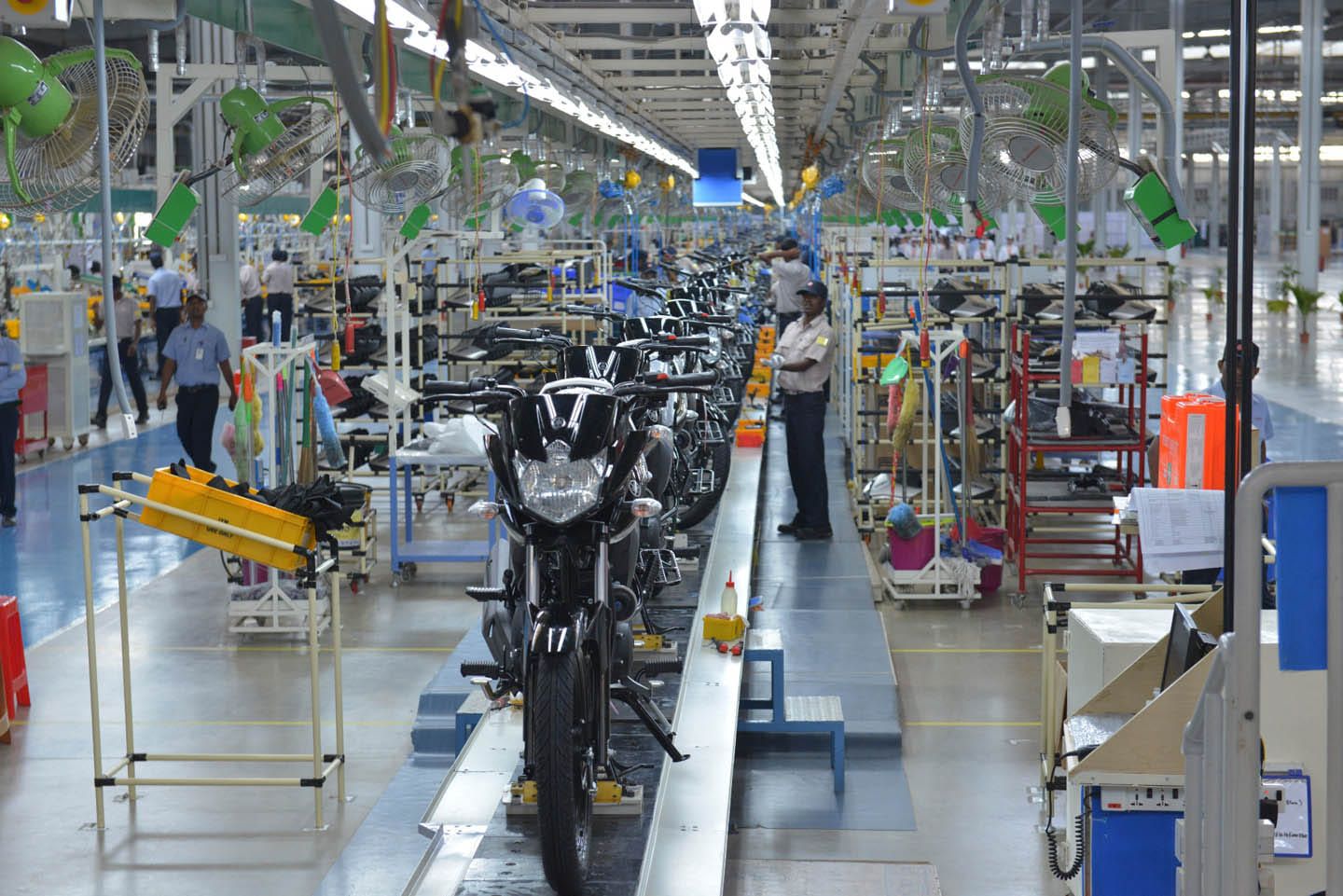
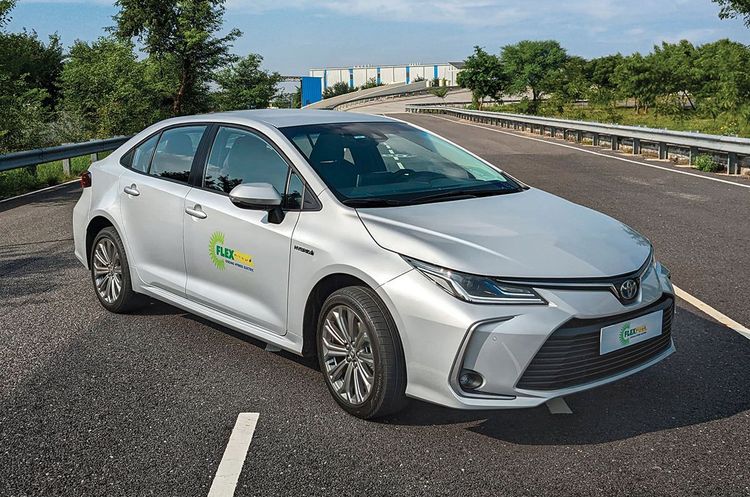
The Tamil Nadu automobile industry exported 2.06 million vehicles worth $4.86 billion in the twelve months to July 2026, cementing the state's standing as India's auto export hub, according to data from the Directorate General of Commercial Intelligence and Statistics cited by India Briefing. The Tamil Nadu automobile industry shipped 478,102 cars worth $3.68 billion and 1.58 million two- and three-wheelers worth $1.18 billion in the period.
The numbers explain why the state, often called the Detroit of India, keeps drawing fresh investment on the back of record vehicle exports. The 'Detroit of India' tag dates to the 1990s, when Ford set up in the state and Hyundai, Nissan and Renault followed. Tamil Nadu's Industrial Policy 2021 offers one of the country's most detailed incentive packages for manufacturers, and a dedicated electric vehicle policy has pulled new money into EVs, components and batteries.
Tamil Nadu automobile industry export record
The vehicle exports tally covers August 2025 to July 2026. Motor vehicles and cars accounted for the bulk of the value at $3.68 billion, while two- and three-wheelers added $1.18 billion. India Briefing's report, published in October, drew the figures from the commerce ministry's trade statistics arm.
Big commitments keep coming. Hyundai Motor Group plans to invest $15.5 billion in India through 2032, its largest-ever commitment to an emerging market, KED Global reported from Pune. VinFast is setting up a $2 billion EV plant in Thoothukudi and aims to lift annual production in India to 150,000 EVs in the coming years, targeting exports to the Middle East and Africa.
Incentives for the Tamil Nadu automobile industry
Tamil Nadu's Industrial Policy 2021 lays out a structured incentive package for the Tamil Nadu automobile industry. Eligible manufacturing projects can claim 100% reimbursement of state GST paid on sales of products made, sold and registered in Tamil Nadu for up to 15 years, a fixed capital subsidy of 10-25% of eligible fixed assets, a flexible capital subsidy of up to 35-40%, or a turnover-based subsidy of 1.5-2% a year for up to 10 years. The four options are mutually exclusive; an investor picks one rather than combining them.
The package also includes a five-year electricity tax exemption for eligible new or expansion projects, stamp duty concessions on industrial land, and support for workforce training and qualifying research and development staff, according to the State Planning Commission's Tamil Nadu's Automotive Future report cited by India Briefing. Districts are grouped into categories for incentive purposes, with southern districts offered a special package that includes subsidized industrial land.
Central schemes add to the mix. The Tamil Nadu automobile industry has secured a major share of approved projects under the production-linked incentive scheme for electronics and automobiles, including advanced chemistry cell battery manufacturing, finance minister Nirmala Sitharaman said, according to Tax Management India.
EV policy strengthens Tamil Nadu automobile industry
The Tamil Nadu EV policy, introduced in 2023, offers dedicated incentives for EV makers, component and battery manufacturers, charging infrastructure companies and research and development. The state aims to attract Rs 50,000 crore in EV investment and create 1.5 lakh jobs, according to Entrepreneur India. Under the Tamil Nadu EV policy framework, eligible MSMEs making EV components and charging equipment can claim capital subsidies of up to Rs 1.5 crore under the MSME Policy 2021.
Coimbatore's base in pumps, motors, foundries and precision engineering feeds directly into EV component manufacturing, giving the Tamil Nadu automobile industry a ready supply chain for motors and powertrain parts. For investors, the commercial case is clear: the incentives cut upfront capital costs or improve project cash flow, though India Briefing notes the applicable package depends on project size, district, investment period and employment commitments.