Tata Motors Stellantis Deal: Global Cars Built in India
Tata Motors Passenger Vehicles and Stellantis signed a definitive agreement to co-develop vehicles in India for 50+ global markets.
by Trends DeskOctober 18, 20263 min read
The Tata Motors Stellantis deal has moved from intent to action. Tata Motors Passenger Vehicles Limited (TMPV), its subsidiary Tata Passenger Electric Mobility Limited (TPEM), and Stellantis India have signed a definitive agreement to jointly develop vehicles in India for more than 50 global markets, expanding a partnership that has grown steadily for over two decades. The pact was announced in Mumbai and Pune this week and converts a February 2026 memorandum of understanding into a binding product and technology programme.
Under the Tata Motors Stellantis deal, TMPV will give Stellantis access to its advanced vehicle architecture and product technology. Stellantis will then deploy its own product development and engineering capabilities in India to adapt those platforms to diverse customer preferences, regulatory frameworks and operating conditions across more than 50 markets. Every vehicle developed under the agreement will be manufactured at the Ranjangaon FIAPL plant, the 50:50 joint venture the two companies operate at Ranjangaon, near Pune.
Why the Tata Motors Stellantis deal matters for India
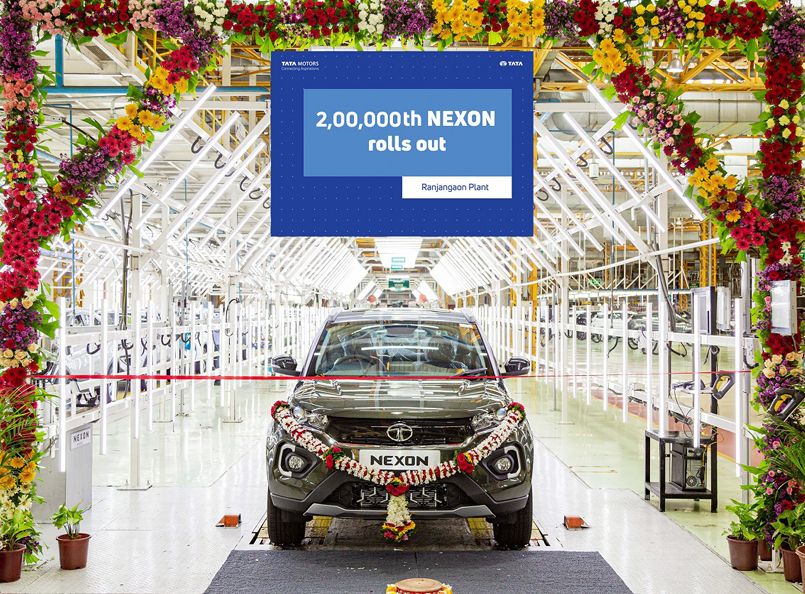
The Ranjangaon FIAPL plant already builds the Jeep Compass, Meridian and CKD versions of the Grand Cherokee and Wrangler alongside Tata's Nexon, Altroz and Curvv, and the facility exports to markets including Japan and South Africa. Industry reports have suggested the first product of the expanded alliance could be a Jeep-badged SUV built on architecture related to Tata's Sierra, a claim neither company has confirmed.
The Tata Motors Stellantis deal formalises what the February memorandum only proposed: deeper cooperation across manufacturing, engineering and supply chains. Both sides say the collaboration will leverage India's competitive engineering strengths and manufacturing scale to accelerate their export ambitions and anchor India as a key node in the global production network, a clear endorsement of global vehicle development from Indian soil.
Leaders welcome the Tata Motors Stellantis deal
Shailesh Chandra, managing director and chief executive of TMPV, said the relationship had grown steadily over more than two decades, built on mutual trust and complementary strengths, describing the agreement as an extension into advanced vehicle technology and architecture. He added that the Tata Motors Stellantis deal reflects the strength and competitiveness of the company's capabilities in these areas.
Tianshu Xin, chief operating officer of Stellantis's Asia-Pacific region, said partnerships were central to how the company creates value across Asia-Pacific, and that combining Tata Motors' capabilities in India with Stellantis's global product development and market reach would help it develop competitive vehicles in India and expand export potential across international markets. The Tata Stellantis India partnership, he indicated, is designed to serve customers in India and around the world.
Exports at the heart of the Tata Motors Stellantis deal
With the Ranjangaon FIAPL plant anchoring production, the agreement turns the facility into a development and export hub where Stellantis engineers will adapt Tata architectures for more than 50 markets. For Stellantis, the global vehicle development programme offers cost-competitive engineering at a time when regional partnerships are central to its Asia-Pacific strategy. For Tata, it is a global endorsement of its platforms. The Tata Stellantis India partnership thus deepens a two-decade alliance while moving it firmly into product technology and architecture.
Execution will be the real test. Turning shared architectures into vehicles certified for 50-plus markets demands deep localisation of safety, emissions and software systems, and export growth must contend with volatile global demand. But with the definitive agreement signed, the Tata Motors Stellantis deal has moved from a memorandum to a manufacturing and development mandate, and global vehicle development from India is now officially under way.