Yes Bank AT-1 Bonds: Supreme Court Voids $880 Million Write-Off
Yes Bank AT-1 bonds: the Supreme Court voided the $880 million write-off, upholding the Bombay High Court's 2023 order.
by Trends DeskOctober 16, 20263 min read
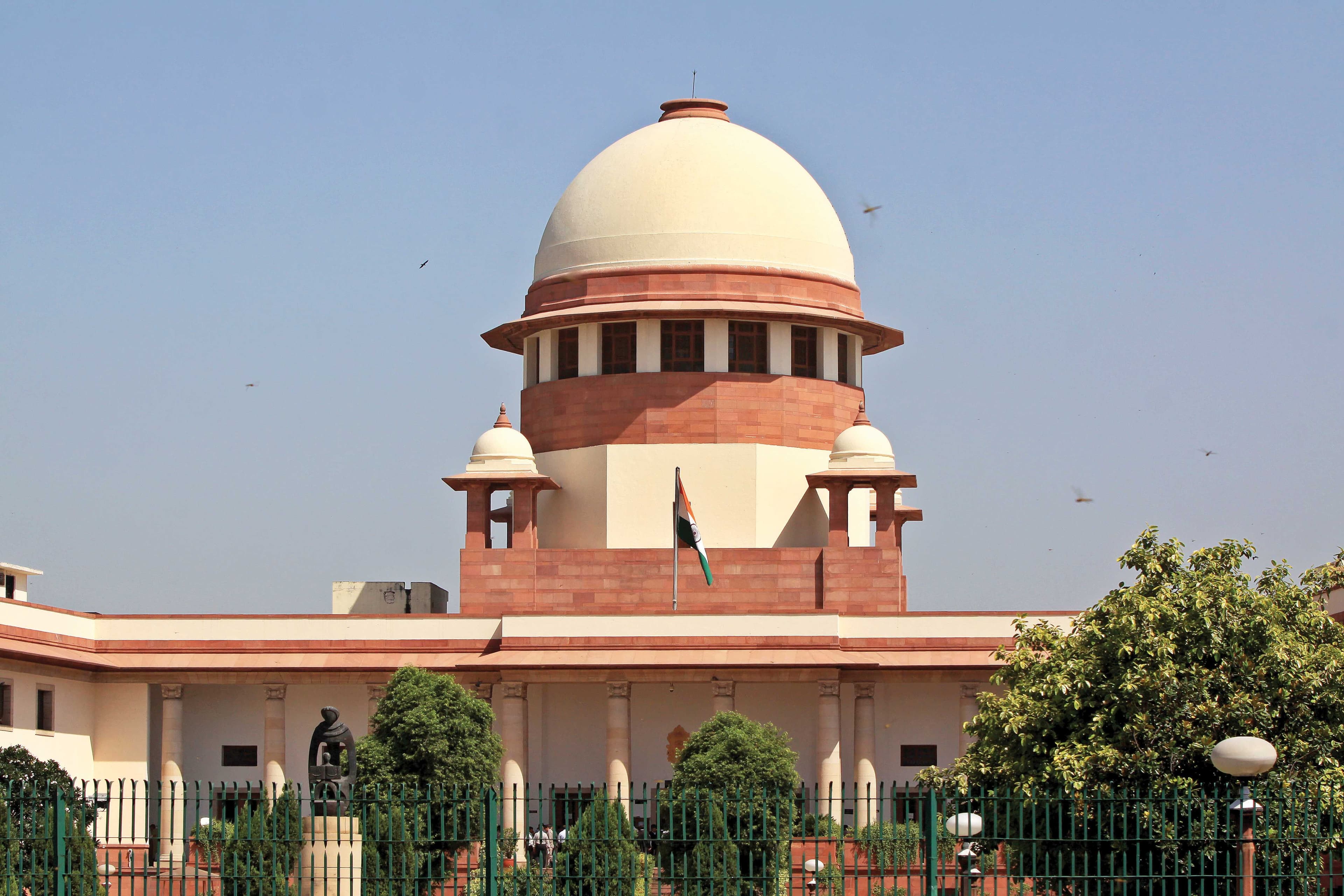
Yes Bank AT-1 bonds worth about $880 million are back on the lender's books after the Supreme Court Yes Bank verdict of October 15, 2026, which voided their controversial write-off, ruling the extinguishment illegal. A bench of Justices Dipankar Datta and Augustine George Masih dismissed appeals filed by Yes Bank, the Reserve Bank of India and the Union government, upholding a January 2023 Bombay High Court order.
The ruling ends a legal battle stretching back to March 2020, when Yes Bank was declared insolvent and placed under a central bank-backed reconstruction scheme. The bank's administrator ordered an AT1 bond write-off worth Rs 8,400 crore, around $884 million, while equity holders were merely subjected to a three-year lock-in on 75 percent of their shares, a disparity that outraged bondholders.
Why the AT1 Bond Write-Off Was Struck Down
The court held the write-off illegal and arbitrary on the ground that it went against the Final Reconstruction Scheme gazetted by the Union of India. Srijan Sinha, a partner at Edictum Law & Co. who represented the bondholders, said the administrator lacked the authority to extinguish the securities after the formal restructuring plan was finalised, echoing the Bombay High Court's January 2023 reasoning.
Bondholders had argued the Yes Bank AT-1 bonds were mis-sold to them and could not simply be wiped out. AT-1 bonds are hybrid debt instruments that pay higher returns but carry the risk of write-down or conversion to equity in a crisis, a feature thrown into global spotlight by Credit Suisse's controversial 2023 bond wipeout.
The judgment also brings relief on income: the court clarified that annual coupon payments on the bonds remain unaffected by the outcome of the appeals, preserving a key return stream for investors.
Market Fallout After the Supreme Court Yes Bank Ruling
The market reaction was swift and brutal. Yes Bank shares crashed 13 to 15 percent on Thursday, reportedly the stock's steepest single-day fall since July 2020, as investors priced in the prospect of fresh liabilities from reinstated debt obligations.
The overhang lands on a bank still in turnaround mode. Japan's Sumitomo Mitsui Banking Corporation acquired a 20 percent stake in May 2025 and raised it by another 4.99 percent in August 2025, taking its holding to 24.99 percent. That foreign backing had steadied sentiment, but the verdict renews pressure on the recovery trajectory and the bank's capital adequacy.
Regulatory uncertainty is the wider concern. Grant Thornton's Vivek Ramji Iyer said the decision appeared to turn on a technicality rather than the product's underlying terms, warning it could affect investor sentiment toward bank bonds India and AT-1 instruments alike. The RBI and the government may now review the regulatory framework governing bank bonds India to prevent repeat disputes in future bank rescues.
For bondholders, the Supreme Court Yes Bank verdict is vindication after six years of litigation. For the banking system, it is a reminder that in a rescue, the fine print of the reconstruction scheme matters as much as the rescue itself.
Related articles in Law & Government
View all Law & Government →Browse more stories in Law & Government.


