AI Layoffs Drive Laid-off Staff to Found Startups
AI layoffs topped US job-cut rankings for five straight months in 2026, with 101,743 cuts tied to AI. Now some displaced workers are founding startups.
by Trends DeskOctober 17, 20264 min read
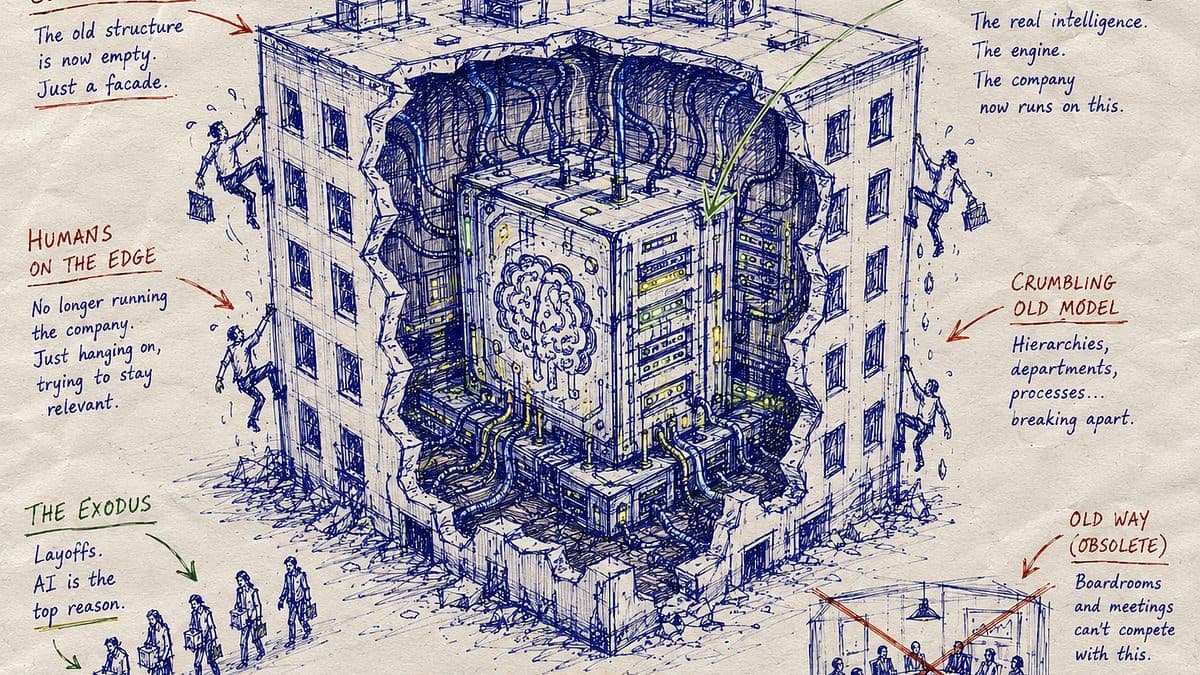
Artificial intelligence has become the leading explanation that employers in the United States give when they cut staff. Through July 2026, AI layoffs topped the monthly tally compiled by outplacement firm Challenger, Gray & Christmas for the fifth consecutive month, accounting for nearly one in four announced reductions. By the end of June, employers had attributed 101,743 job cuts to artificial intelligence, almost double the 54,836 recorded across the whole of 2025. Behind the statistics, a growing number of laid-off workers are responding by choosing to start a business of their own. ## AI layoffs top the Challenger tally for 2026 In March 2026, artificial intelligence became the most-cited reason for job cuts in the United States for the first time, with 15,341 reductions directly attributed to it, around a quarter of the month's total. Since then the AI layoffs line has kept climbing while overall announced cuts have fallen, a sign that corporate messaging has swung from hedging to aggressively citing the technology. The technology sector remains the largest source of the reductions. American tech companies announced 38,242 job cuts in May alone, the sector's highest monthly total since August 2024, and 123,653 through the first five months, up 66 per cent on the same period last year. Andy Challenger, the firm's chief revenue officer, has said that AI is now the leading reason companies give for cutting jobs. The roll call is long. Fintech firm Block laid off about 4,000 employees, 40 per cent of its workforce, citing AI-powered intelligence tools. Amazon announced 16,000 corporate cuts after chief executive Andy Jassy said generative AI would change how work gets done. ## AI layoffs reshape hiring in technology There is a paradox at the heart of the numbers. While AI layoffs keep rising, technology also holds the largest hiring plans of any sector. Google, Amazon, Microsoft and Meta together plan about $725 billion in AI capital spending this year, up 77 per cent on last year. The same companies cutting workers are simultaneously spending at historic levels on AI infrastructure. The companies cutting the most are also hiring the most; they simply want different people. Not everyone accepts the official explanations. Wharton professor Peter Cappelli has argued that companies anticipate AI will take over jobs, though it has not happened yet. Brookings researcher Molly Kinder has called it an investor-friendly message that signals cutting-edge adoption rather than admitting a business is struggling. The phenomenon has earned a label: AI-washing, using the technology to explain reductions whose real drivers may include pandemic-era overhiring or missed financial targets. The uncertainty weighs on those who remain employed. Founder Reports research found workers concerned about AI layoffs were nearly twice as likely to feel extra effort was pointless, 49 per cent versus 27 per cent. Behavioural scientist Dr Gleb Tsipursky said anxious workers pull back to protect themselves when the psychological contract weakens. ## Why some AI layoffs spark new startups For a minority of laid-off workers, the pink slip has become a starting gun. Displaced technology professionals are discovering that industry knowledge in problem-solving, data analysis and technical infrastructure can be packaged into consulting practices or ventures. Rather than waiting for corporate doors to reopen, many are shifting from employee to founder, choosing to start a business and monetise their skills directly. Industry reporting has tracked a wave of one-person startups in 2026, as AI tools automate tasks that once required large teams. The attractions are real but so are the pitfalls. Founders still face the oldest problem in business: finding paying customers. The experience of the AI layoffs entrepreneurship wave so far suggests that technology helps new businesses build faster, but it does not help them sell. Discipline around pipelines, cash flow and customer acquisition matters as much as the product itself. ## What displaced workers should do next The lesson of the current cycle is that employability now depends on fluency with the same technology displacing workers. AI literacy in job postings is up sharply, and roles combining domain expertise with real AI skill are the ones still being created. Whether laid-off workers start a business or seek a new role after the AI layoffs, those gaining leverage treat the tools as instruments of productivity rather than replacements. The companies that blamed AI may find they need people back; the workers who bet on themselves may never need to return.