Breast Cancer India Diagnosis: Why Women Are Found Late
Breast cancer India diagnosis is late for one in eight women, per a Lancet study of 76,356 patients. Low screening and cultural silence keep detection delayed.
by Trends DeskOctober 22, 20264 min read
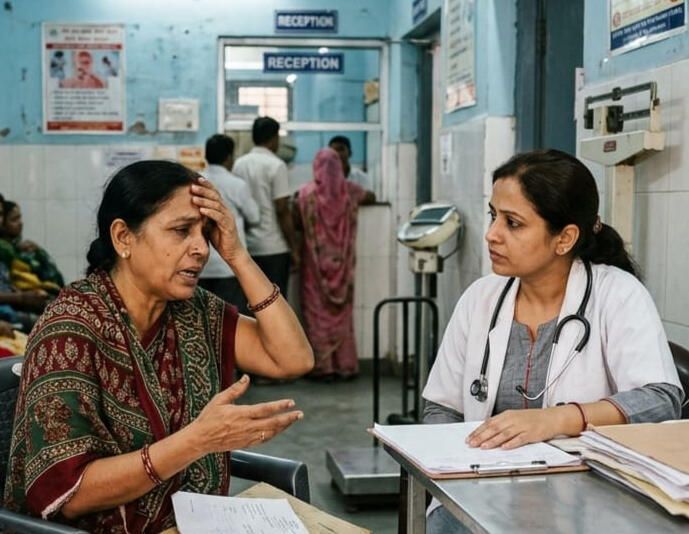
Breast cancer is the most common cancer among Indian women, yet a large share of patients reach a doctor only after the disease has advanced. Around one in eight women diagnosed with breast cancer in India, 12.96%, learn of it only after it has spread to other parts of the body, according to a study in The Lancet Regional Health Southeast Asia. That rate is more than double the global average of 6%. The breast cancer India diagnosis gap persists even as awareness campaigns and screening technology improve.
What the breast cancer India diagnosis numbers show
The Lancet study, by researchers at the ICMR National Institute of NCD Epidemiology in Bengaluru, analysed data from 76,356 women over 11 years, from 2009 to 2020. It found a significant burden of late-stage diagnosis, where cancer has spread beyond its original site. The researchers concluded that the burden of disease is growing faster than the systems meant to detect it early, a finding that puts the breast cancer India diagnosis challenge in stark terms. Once it reaches distant organs or bones, it is classified as metastatic disease, and treatment becomes more complex.
Indian hospital data tells a similar story. Dr Geeta Kadayaprath, a surgical oncologist at the Apollo Athenaa Women's Cancer Centre in Delhi, said 60% of women seeking treatment for breast cancer in India are diagnosed at late stages. At her own hospital, the breast cancer India diagnosis picture is reversed: nearly 70% of patients are diagnosed early, which she attributes to awareness and access among those who can afford private care. In Bengaluru, the Kidwai Memorial Institute of Oncology found that nearly half of the women who arrive there receive their diagnosis at stage three or four, when late-stage diagnosis limits treatment options.
Why breast cancer India diagnosis comes late
Screening coverage remains thin. National Family Health Survey data from 2019-21 shows fewer than 1% of women aged 30 to 49 in India have ever been screened for breast cancer. A clinician writing in The Week described a scene: a woman who felt a lump months earlier but assumed it would disappear, arriving only when the tumour had grown or spread. Cultural silence, misplaced priorities and misconceptions about breast cancer screening all play a part, and even states with better health infrastructure, such as Tamil Nadu and Kerala, report disappointingly low screening participation, which keeps early detection out of reach for most women.
The diagnostic pathway itself creates delays. A Chennai Breast Centre study of more than 12,000 women, presented at the San Antonio Breast Cancer Symposium, found that when tests are spread across multiple centres, a significant share of diagnoses are missed or misread. Typically a woman notices a lump, visits a clinic, is sent elsewhere for imaging and then to another lab for biopsy. Each step means separate appointments, travel and paperwork, and some patients drop out before completing the tests, which pushes early detection further away.
Fixing the breast cancer India diagnosis pathway
The Chennai researchers argue that a one-stop integrated centre works best in India: assessment, imaging and biopsy under one roof, so fewer women are lost between steps. Study lead Dr Selvi Radhakrishna said limited awareness and hesitation make a fragmented pathway especially costly. For the breast cancer India diagnosis pathway, an integrated model cannot fix awareness on its own, but it removes the logistical reasons women abandon the process.
Technology is also being pushed into the field. The Namo Shakti Initiative, launched by Rajya Sabha MP Kartikeya Sharma, takes AI-enabled breast cancer screening to remote and rural communities through mobile health units, aiming to close the breast cancer India diagnosis gap where clinics are scarce. Project technicians say village response has been encouraging: as awareness grows, more women come forward for tests. Apollo Spectra Hospital in Bengaluru reports consultations for breast-related concerns up 10% over two years, with 70 to 80% of those evaluated below 40.
Screening efforts reaching rural women
Breast cancer accounted for 13.5% of all newly diagnosed cancers in India in 2020, having overtaken cervical cancer as the most common cancer among women. At Kidwai, breast cancer made up 24.3% of cancers diagnosed among women in 2025, up from 21.7% in 2021, and doctors there diagnosed 1,500 women last year. The disease burden is growing faster than the systems meant to catch it early, which is why the breast cancer India diagnosis question matters: early detection, not just treatment, will decide outcomes for the next decade of patients.