Dengue Vaccination Pilot Begins in Tamil Nadu's Tenkasi
India's first dengue vaccination drive began on a pilot basis in Tenkasi, Tamil Nadu, using Takeda's Qdenga vaccine with two doses offering 80% protection.
by Trends DeskOctober 19, 20263 min read
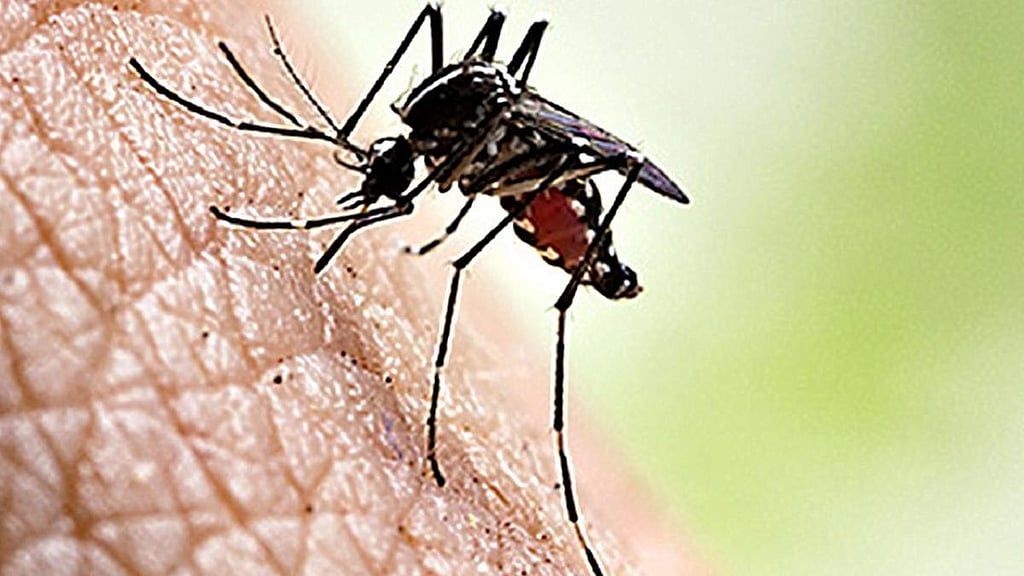
India's first vaccination drive against dengue has been launched on a pilot basis at Kadayanallur, a high-incidence town in Tenkasi district of Tamil Nadu. Health Minister K.G. Arunraj launched the drive on Saturday, telling reporters that two doses of the vaccine, administered three months apart, would provide 80 per cent protection against dengue. The dengue vaccination pilot is the first time any Indian state has used a dengue vaccine in a public health programme.
The vaccine being used is Qdenga, manufactured by Japanese pharmaceutical company Takeda. It is a single vaccine covering four types of dengue fever. Forty countries have approved it, and the World Health Organization has issued a pre-qualification certificate. Brazil has included it in its public health vaccination schedule. In India, the Central Drugs Standard Control Organisation has approved the Takeda dengue vaccine for administration to people aged between four and 60.
The minister said the use of the vaccine would be expanded to other parts of the country after assessing its efficacy in Kadayanallur. Two scientists from the Indian Council of Medical Research would study the impact of the dengue vaccine pilot in the town. The Tenkasi health drive will therefore serve as a controlled test of how the vaccine performs in Indian conditions before any wider rollout.
Arunraj noted that no state in India had started using the vaccine yet, and that Tamil Nadu had decided to study its impact on a pilot basis. The findings of the study in Kadayanallur will serve as a guide for the entire nation, the minister said, adding that the extension of the drive to other districts across Tamil Nadu would be announced after a team of officials submits its inspection report.
The dengue vaccine pilot comes as Tamil Nadu battles a dengue surge alongside the northeast monsoon. Health authorities have separately warned pharmacies against selling fever and pain medicines without prescription during the dengue season, and the state chemists' association has instructed its 40,000 members to direct fever patients to doctors rather than allow self-medication.
Dengue Vaccination: What the Pilot Involves
The dengue vaccination programme at Kadayanallur targets residents of a town identified as having high dengue incidence. The two-dose schedule, with doses three months apart, is designed to deliver 80 per cent protection, according to the health minister. The Qdenga vaccine India rollout will be closely monitored by the two ICMR scientists assigned to study its impact, making the Tenkasi health drive as much a research exercise as a public health intervention.
Why the Dengue Vaccination Drive Starts in Tenkasi
Tenkasi district was chosen because Kadayanallur has consistently recorded high dengue incidence, giving researchers a strong baseline against which to measure the Takeda dengue vaccine's effectiveness. If the dengue vaccine pilot shows clear reductions in cases and severity, the evidence base for expanding the dengue vaccination drive to other districts and states will be firmly established. Until such data exists, the government has opted for caution rather than a statewide campaign.
Dengue Vaccination: What Comes Next
The next step is the officials' inspection report, after which Tamil Nadu will decide on extending the dengue vaccination drive to other districts. At the national level, the Qdenga vaccine India data from Kadayanallur could inform whether other states adopt the vaccine and whether it eventually enters the national immunisation schedule, as it has in Brazil. For now, the dengue vaccination pilot in Tenkasi remains the country's only structured test of a dengue vaccine in real-world Indian conditions.