Extreme Weather Raises Health Risks for Food Workers
A global IPES-Food report says extreme weather and harmful chemicals are raising health risks for food workers, many of whom earn below a living wage.
by Trends DeskOctober 24, 20264 min read
Climate change is exposing food workers to intensifying health and safety risks, from extreme heat and toxic wildfire smoke to hazardous pesticide exposure, a new global report by the International Panel of Experts on Sustainable Food Systems (IPES-Food) has found.
The report, released on October 5, says nearly 1.4 billion people work across the global food system, but 30 percent, about 416 million people, earn below a living wage. It identifies climate change, corporate concentration and widespread informal employment as forces deepening the exploitation of workers who grow, process, transport, sell and serve food.
Food workers face heat, chemicals and long shifts
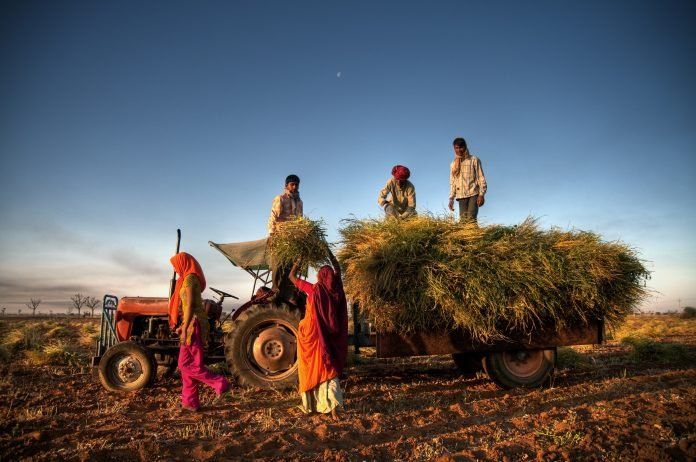
Agriculture is among the world's most dangerous sectors, accounting for one-third of all occupational deaths globally. Food workers face hazards including extreme weather, long shifts without breaks and contact with harmful pesticides and chemicals. Food workers in fields, kitchens and delivery jobs all face versions of these hazards.
Heat stress is already the most common occupational health threat in agriculture, the report says, and climate change is pushing the risks toward life-threatening conditions. Many farmworkers lack basic protection from extreme weather, including access to shade, rest breaks and drinking water.
International labour standards are often ignored, the report notes, while weak enforcement leaves workers exposed to dangerous conditions. Climate change health risks for farmworkers are therefore rising even where rules exist on paper.
"Climate change is becoming a workers' rights crisis," said Mamadou Goita, an IPES-Food panel expert, at a webinar held for the launch of the report. Farmworkers already face poverty wages, toxic pesticides and gruelling working conditions, which are being compounded by rising temperatures and other climate impacts, he said.
India shows how food workers bear climate losses
The report highlights how climate-related livelihood losses in India can reinforce labour exploitation. Drought-driven crop failures have pushed tens of thousands of landless farmworkers into cycles of high-interest debt and bonded labour, it says. These debts can extend across generations, trapping families in exploitative working arrangements.
A study covering five Indian states cited in the report found farmer suicides increased significantly following droughts, linking climate distress to financial pressures where workers lack social protection.
Evidence from across India also points to how climate-related risks are affecting the health and livelihoods of workers in agriculture and fisheries. A January 2026 study in the Journal of Occupational and Environmental Medicine followed 200 male paddy workers in West Bengal in the summer of 2024 and found dehydration rose from 16.5 percent to 33 percent over the observed work period, with higher heat exposure linked to greater physiological strain.
An April 2025 study in the International Journal of Bio-resource and Stress Management examined 400 small-scale fisher households in Ernakulam, Kerala, and found female-headed households had a higher livelihood vulnerability index (0.40) than male-headed households (0.37).
The Indian evidence shows climate change health risks reaching food workers in fields and fishing boats alike.
Risks across the food chain
The report's concerns are not limited to agricultural workers. Food workers across processing, hospitality and delivery face occupational hazards alongside insecure employment and limited access to basic protections.
Around 90 percent of agricultural employment and 60 to 80 percent of non-agricultural food employment worldwide is informal, the report notes. Informal workers earn, on average, only 56 percent of the monthly wages of formally employed workers and often lack health coverage, social security and labour protections.
Women, migrant workers and other marginalised groups face disproportionate risks, often in the least protected jobs, and migrant workers may avoid reporting unsafe conditions for fear of losing their jobs.
IPES-Food panel expert Raj Patel said at the launch webinar that the people who produce and deliver food were among the most exploited workers globally, with farmworkers, cooks and delivery riders facing low pay, unsafe conditions, abuse and insecure work while powerful food corporations benefit from keeping labour cheap.
What the report asks to protect food workers
The report calls for stronger labour standards, collective bargaining, better enforcement of workplace safety rules and equal rights for migrant workers. It also urges governments to address corporate concentration and hold companies accountable for abuses across food supply chains.
For food workers facing intensifying climate hazards, the report's central concern is that those who sustain the food system are often left to bear its risks without adequate safeguards. It calls for a food system that does not depend on poverty wages, dangerous working conditions or the absence of basic labour protections.