GLP-1 Mental Health Benefits Seen in Major Study
A large Swedish study found semaglutide linked to a 42 percent lower risk of worsening mental illness, though experts say more clinical trials are needed.
by Trends DeskOctober 20, 20264 min read
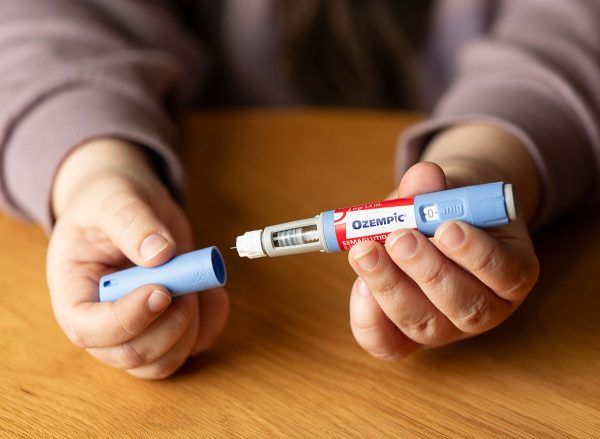
A large national study from Sweden has found that people taking GLP-1 drugs like Ozempic and Wegovy had a lower risk of worsening anxiety and depression, adding new evidence that these diabetes and weight loss drugs may also influence GLP-1 mental health outcomes. The findings were published in the April issue of Lancet Psychiatry.
The study analysed health data from 95,490 people in Sweden who were diagnosed with depression, anxiety, or both, and were also prescribed diabetes medications between 2009 and 2022. Researchers compared periods when individuals were taking GLP-1 receptor agonists to periods when they were not, using a within-individual design in which each person acted as their own control.
How GLP-1 mental health effects were measured
Data came from national electronic health registers covering hospital admissions, sick leave records and death registries. The primary outcome was a composite measure of worsening mental illness: psychiatric hospitalisation, extended sick leave for psychiatric reasons, hospitalisation due to self-harm, or death by suicide. Secondary outcomes looked at worsening depression or anxiety separately, substance use disorders and self-harm incidents.
The study also compared GLP-1 receptor agonists with other second-line diabetes drugs — empagliflozin, dapagliflozin and sitagliptin — to test whether the benefits were specific to the class. Statistical models adjusted for the order and duration of medication use and for concurrent psychiatric or antidiabetic drugs.
One drug led the results
Over an average follow-up of 5.2 years, about 23.5 percent of the cohort used GLP-1 receptor agonists, with semaglutide and liraglutide the most common. Use of the drug was associated with a 42 percent lower risk of worsening mental illness compared with periods when the same individuals were not taking the drugs. Liraglutide showed a smaller benefit, with an 18 percent reduced risk, while exenatide and dulaglutide showed no significant association.
Semaglutide use was linked to lower risks of worsening depression, anxiety and substance use disorders, while liraglutide was associated mainly with reduced risk of worsening depression. The findings add to growing interest in GLP-1 mental health benefits, and the association held even after accounting for sex and the type of diagnosis at entry. Compared directly with other antidiabetic medications, semaglutide again came out ahead, suggesting effects beyond glucose control alone. It is the clearest signal yet for GLP-1 mental health benefits in a population this large.
What experts say about GLP-1 mental health
Lauren Grawert, a clinical adviser, said GLP-1 medications can cross the blood-brain barrier and bind to brain regions tied to the reward system. She said the drugs may dampen the overactive dopamine response that drives impulsivity and cravings, and may also reduce brain inflammation linked with depression and anxiety. As a result, it may help stabilise mood and improve emotional regulation, she explained.
The reduced risk was reflected not only in fewer psychiatric hospitalisations but also in less sick leave for mental health reasons — a result with implications for work capacity and quality of life. Jason Kirby, chief medical officer at Recovery Centers of America, said the drugs could help people with both metabolic and psychiatric disorders, though he stressed the study was observational and does not establish causality.
Limitations of the study
Because the design was observational, the results cannot prove that GLP-1 drugs cause the improvement. Researchers took care to rule out biases from the sequence of medication use and carryover effects, and the results held when excluding days just after starting or stopping the drugs. Still, experts agree it is too soon to recommend Ozempic and Wegovy as primary treatments for anxiety and depression, and randomised clinical trials are needed. Without them, GLP-1 mental health claims cannot yet guide prescribing.
What comes next for GLP-1 mental health research
Future GLP-1 mental health trials will need to test whether the drugs can treat psychiatric conditions directly, rather than alongside diabetes care. Researchers say the work, published in Lancet Psychiatry, opens a promising avenue at the intersection of psychiatry, addiction medicine and metabolic health. Kirby called it a case for more integrated care across the two fields.
For now, the message is one of cautious optimism. The promise of GLP-1 mental health treatment is real enough to study seriously, but patients should not expect these weight loss drugs to replace established therapies for depression and anxiety without far stronger evidence.