GMCH performs first liver transplant in Northeast hospital
GMCH Guwahati has performed the first liver transplant at a government hospital in Northeast India, in a 16-hour operation on a 48-year-old man.
by Trends DeskOctober 26, 20264 min read
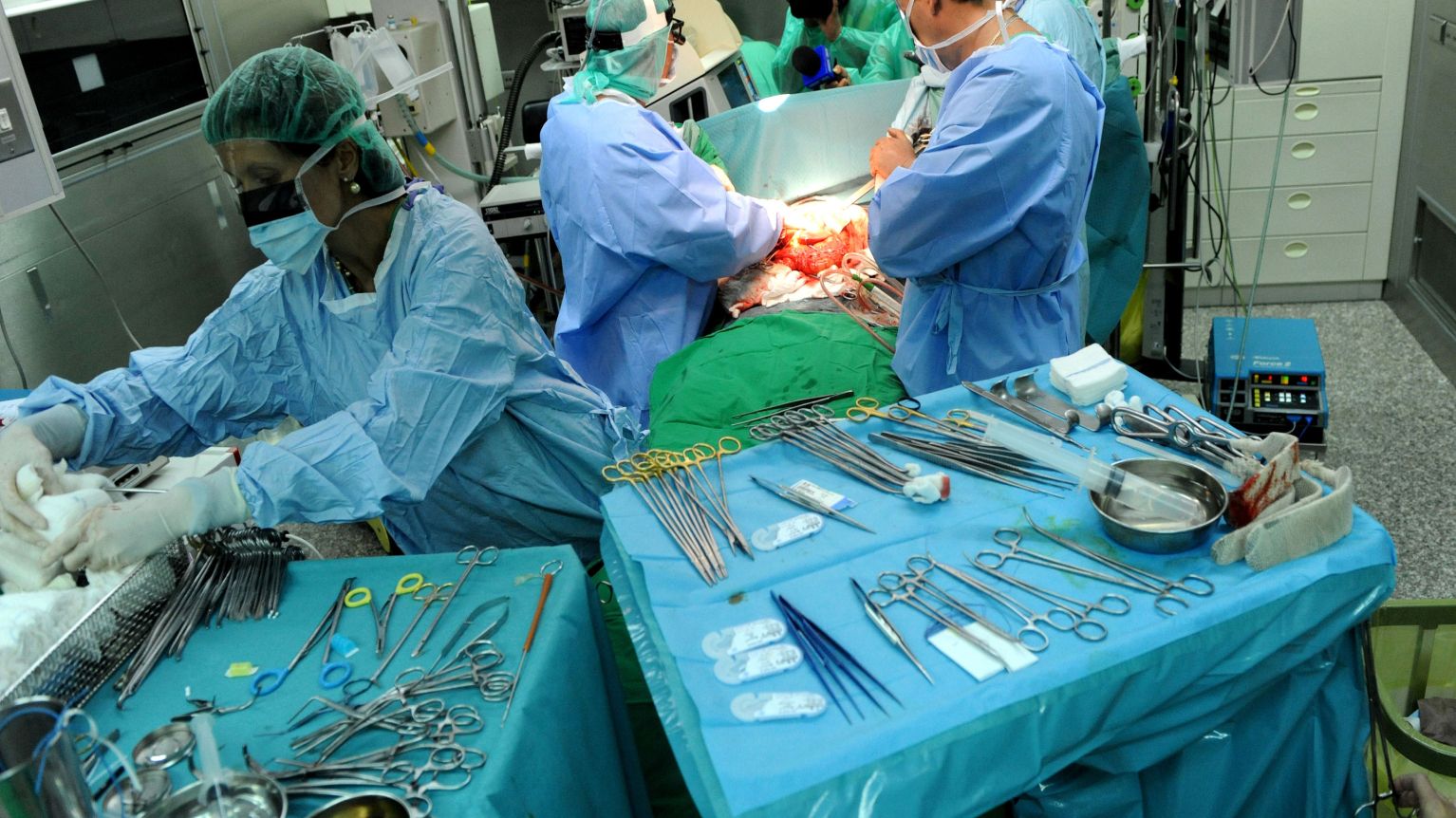
Gauhati Medical College and Hospital (GMCH) in Guwahati has performed the first liver transplant at a government hospital in Northeast India, state officials said on Saturday. The 16-hour operation began on Friday and finished on Friday night, giving a 48-year-old man from Kamrup Metropolitan district part of the liver of his younger sister. Both the donor and the recipient were recovering in the intensive care unit under close medical supervision, Chief Minister Himanta Biswa Sarma said.
A team led by Dr Senthil Kumar carried out the liver transplant. Sarma said in a social media post that the man had received part of his sister's liver and praised her courage, adding that her decision had given him a new life. Health Minister Ashok Singhal told a press conference that the operation was a historic step in Assam's healthcare journey and that both patients were stable.
How the liver transplant was carried out
The surgery drew on specialists from across the country working with local doctors at GMCH Guwahati. Reports of the operation said coordination between the surgical team and the hospital's anaesthesiology and radiology departments was central to the long procedure. Singhal said fewer than 10 government medical institutions in India are equipped to perform a liver transplant, which put GMCH Guwahati in a small group of public hospitals with that capacity.
The state government launched its liver transplantation programme in 2025 with the stated aim of making complex, life-saving care available in Assam's public hospitals, so that a liver transplant could be attempted in a public hospital in the state. Sarma said the decision behind the programme was that such care should be available in Assam, in public hospitals, for every citizen. The hospital had already built experience in kidney transplantation, with around 33 to 36 procedures performed in the past year at a cost of between Rs 2.5 lakh and Rs 3 lakh each, according to reports of Singhal's remarks.
What the liver transplant means for patients in Assam
For patients in Assam, the result matters most in practical terms: treatment that once meant travel to a distant metropolitan centre can now begin closer to home. Organ transplant services in the public sector also change the cost question for families, since care in a government hospital is far cheaper than in a private centre. A liver transplant in the public sector removes one more reason for patients to leave the state for specialist care. Singhal was careful about pace, however, saying the procedure would not become frequent at once and that it would take time to develop the service.
The hospital plans to spend the coming months building up allied medical services and infrastructure before trying to scale the programme, according to an update on the operation. That caution reflects how much sits behind a single operation: donor assessment, intensive care, infection control and follow-up care all have to work together before a regular schedule is possible. For now, the first liver transplant shows the system can carry out such work, rather than offering a routine service.
Assam plans wider specialist care
Sarma linked the liver transplant to a wider plan for specialist care in the state, including a statewide cancer care network. He said bone marrow transplants had been brought to GMCH and that the government would soon set up India's first proton beam therapy unit in the public sector in Guwahati. The hospital had also recently carried out robotic heart surgery, part of the same push to widen specialist treatment in Assam.
Sarma said the goal was clear: Assam would become the healthcare hub of Eastern India, so patients would no longer leave Assam for treatment but come to Assam for it. He described the transplant as one more step in building a public healthcare system that matches the best in the country. The next test for Assam healthcare will be whether the transplant programme can grow from a single operation into a service that patients can rely on, with donor and recipient care, waiting lists and organ transplant follow-up all in place, and that test will shape Assam healthcare for years.