India to cut cancer medicine prices by up to 70 percent
India will cut cancer medicine prices by up to 70% from 9 November 2026, with the NPPA capping trade margins on 137 cancer drugs at 30%.
by Trends DeskOctober 25, 20263 min read

India will cut cancer medicine prices by up to 70% from 9 November 2026, after the National Pharmaceutical Pricing Authority, the NPPA, capped trade margins on 137 non scheduled anti cancer medicines at 30%. The order, issued on 17 October 2026, covers medicines used for more than 20 types of cancer, including breast, prostate, colon, ovarian and cervical cancers.
The government expects the measure to save patients around Rs 2,500 crore a year. The actual reduction will vary by medicine, and not every cancer medicine becomes cheaper under the order. The 70% figure is the maximum projected cut for individual medicines, not a flat reduction across the list.
Cancer medicine prices and the 30% margin cap
The NPPA order brings the 137 medicines into the trade margin rationalisation framework, which limits the margin added along the supply chain instead of setting one ceiling price for the whole group. Trade markups on some of the medicines had been very high: data cited in coverage of the order put average markups at 170%, with extreme cases above 700%. A 30% margin cap had previously applied to only 42 cancer drugs, under price controls first applied in 2019.
The list includes widely used drugs such as pembrolizumab, bevacizumab, durvalumab and osimertinib. Manufacturers must submit revised prices within seven days of the notification, and retailers and hospitals must charge the revised prices from 9 November and display updated price lists. State drug authorities will monitor compliance, and patients can check prices on the NPPA website and the Pharma Sahi Daam application.
Cancer medicine prices follow Supreme Court scrutiny
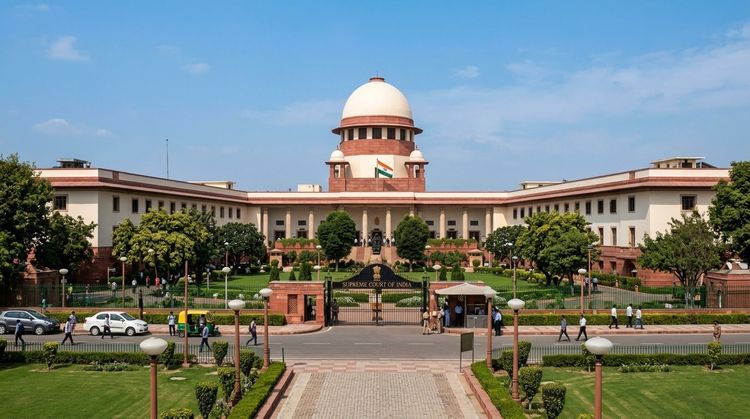
The order follows a legal case that began with a petition by Sarojam Radhakrishnan, a retired bank employee from Kerala who was diagnosed with breast cancer in 2021 and faced monthly targeted therapy bills above Rs 63,000. Her petition reached the Supreme Court, where Justices Vikram Nath and Sandeep Mehta criticised industry pricing. During a September hearing, the bench cited cases in which medicines sold to hospitals for Rs 2,700 were retailed to patients at Rs 27,000.
The Supreme Court has set 27 October 2026 as the deadline for the government to explain why the caps apply only to cancer drugs and not to all non patented medicines, which leaves open the prospect of wider price controls later. For now, the government has also told drug makers to keep production and supply at current levels, to prevent shortages after the new prices take effect.
Patients are advised to check the revised price after 9 November before buying a covered medicine, to compare the medicine name, strength and quantity, and to keep the prescription and bill. Doctors advise patients not to stop or change prescribed treatment without consulting their doctor, since a lower price for a medicine does not change the treatment plan.
The NPPA order is a drug price cap built on margin control rather than a fixed ceiling for each product, and that design matters for how cancer medicine prices reach patients. A lower maximum retail price helps only if hospitals and pharmacies charge it, display it and keep stock on shelves. The Department of Pharmaceuticals projection of Rs 2,500 crore in annual savings is an official estimate, not observed savings, and the real test will be itemised bills after 9 November. Cancer medicine prices on paper and cancer medicine prices at the counter are two different things, and the NPPA, state drug authorities and the Pharma Sahi Daam app are the checks meant to close that gap. This drug price cap will be judged on those bills, not on the announcement, and cancer medicine prices that fall on paper must also fall at the pharmacy counter for patients to feel the change. That is the standard by which cancer medicine prices under this order will be judged.