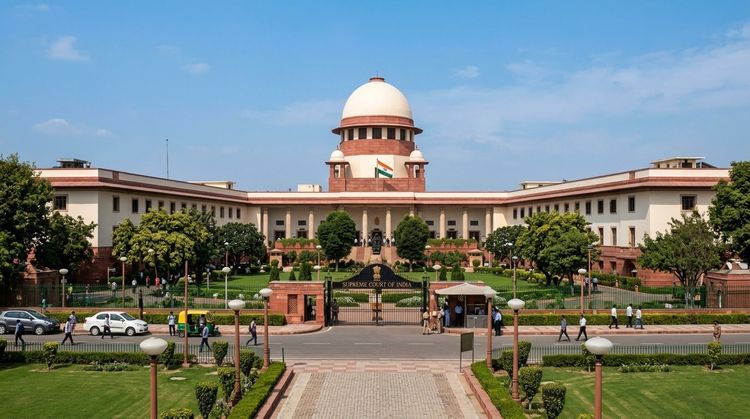
India Heat Health Action: Four Nations Join Forces
India heat health action is the region's most advanced, with 250+ heat action plans. New assessments say health surveillance and local funding must catch up.
by Trends DeskOctober 22, 20264 min read
India, Nepal, Bangladesh and Bhutan have joined forces to confront extreme heat, releasing the first country-level heat and health assessments for South Asia as an El Nino event strengthens across the Pacific. The four extreme heat South Asia assessments were launched at the Global Heat Forum in New Delhi by the South Asia Hub of the Global Heat Health Information Network, hosted by the Council on Energy, Environment and Water (CEEW). The India heat health action push sits at the centre of the effort: the country has made the most progress in the region, but the reports warn that plans and forecasts must now turn into protection on the ground.
India heat health action leads the region
India has more than 250 city and district heat action plans in place, the most in South Asia. Heatwaves are recognised as a notified natural disaster under the country's disaster risk management funding system, which unlocks money for preparedness and relief. More than 18,000 medical officers have been trained to respond to heat-related illness. The assessment says India heat health action has moved fastest on planning and policy, forecasting and early warning systems.
The other three countries are catching up from different starting points. Bangladesh has recognised heat in its national adaptation plan, prepared its first city heat action plan in Narayanganj and launched a national guideline on heat-related illness alongside a "B.E.A.T. the Heat" public awareness campaign. Feels-like temperatures in Bangladesh, combining temperature and humidity, have risen by about 4.5 degrees Celsius since 1980, according to the World Bank, and nearly one-third of the year now brings dangerous humid heat. In Nepal and Bhutan, heat once concentrated in the plains is now rising into Himalayan areas.
Where India heat health action still falls short
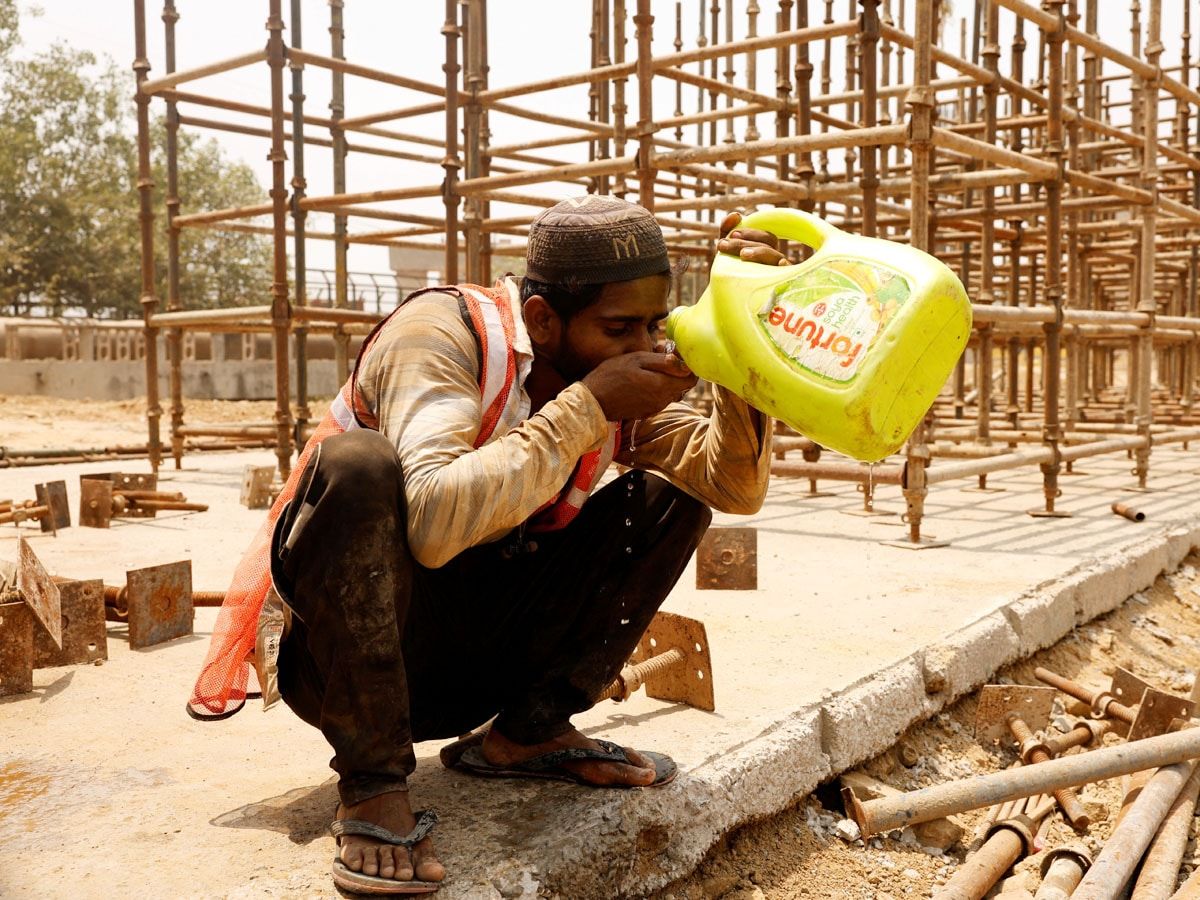
The assessments find that the systems meant to convert plans into protection are uneven. Health surveillance, dedicated financing and coordination across departments lag behind the heat action plans drawn up on paper. That gap is the central test for India heat health action: warnings do not reliably lead to protection for outdoor workers, vulnerable communities and people with limited access to healthcare and cooling. Even where countries are beginning to close the gap at scale, efforts remain patchy.
"Extreme heat is now a year-round, regional risk in South Asia, and these assessments show the region is not starting from zero," said Dr Vishwas Chitale, fellow at CEEW and chair of the GHHIN South Asia Hub. The priority, he said, is to connect forecasts with health systems, local budgets and labour rules so that warnings reliably lead to protection. That means heat built into health, labour and urban planning, not just a plan on a shelf.
India heat health action and the El Nino threat
The timing of the India heat health action assessments is driven by the Pacific. An unprecedented El Nino is strengthening, raising the risk of another severe heat season across South Asia. Extreme heat is already a public health and livelihood emergency: an estimated 247 billion potential labour hours were lost in India in 2024, associated with around $194 billion in potential income losses, according to Lancet Countdown 2025 figures cited by CEEW. The health burden spans cardiovascular, respiratory and mental health.
Practical fixes exist. CEEW's "Thriving in a Warming World" work points to passive cooling, cool roofs, brushless direct current fans, shading, green cover and cooling spaces as ways to cut heat exposure without leaning on energy-intensive cooling. For India heat health action, integrating those measures into housing, planning and public health systems matters most where access to conventional cooling is limited. Better climate information, including neighbourhood-scale services and early warning systems, is increasingly guiding preparedness across the health, labour and urban sectors.
What the four country assessments recommend
The reports were prepared with partners including the Sustainable Futures Collaborative, the Natural Resources Defense Council, the BRAC James P Grant School of Public Health and the UN Economic and Social Commission for Asia and the Pacific, in step with the WHO-WMO Climate and Health Joint Programme. Their message is consistent across the extreme heat South Asia assessments: the region's defences are advancing fastest on planning, while the machinery that turns plans into action needs to catch up. For India, the next phase of India heat health action is less about writing heat action plans and more about funding them, staffing them and linking weather forecasts to hospital wards.