Property prices 2027 could climb, banker warns
Investment banker Sarthak Ahuja flags three forces that could push Indian property prices higher in 2027, from NRI buying to data centre land demand.
by Trends DeskOctober 20, 20263 min read
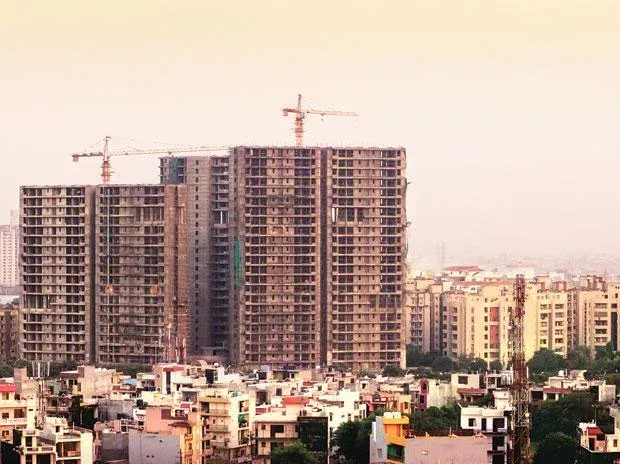
Investment banker Sarthak Ahuja believes property prices 2027 could move higher in India, as three shifts already underway push investment money towards homes faster than buyers' incomes are growing.
In a LinkedIn post, Ahuja warned, "If you think housing prices are unaffordable right now, you can't even imagine where they could go next year." He stressed, however, that a nationwide price surge is far from certain.
His first argument is about nervous investors seeking shelter. Ahuja argues that stock-market uncertainty and restrictions on fresh investments in gold fund-of-funds could steer money towards property. "People find comfort in tangible assets," he says.
The gold restrictions concern specific investment schemes rather than a blanket ban on buying the metal, and stocks remain accessible. But if confidence in financial markets wobbles, some investors may prefer property prices 2027 to be their hedge, choosing something they can own, occupy or rent out.
Ahuja also cites a 12 per cent rise in unsold inventory alongside an 18 per cent increase in launches, figures whose coverage and period remain unspecified, suggesting supply is responding even as demand drivers build.
The tension between rising launches and Ahuja's demand thesis is the crux of the debate. If supply keeps pace with investment flows, price growth could stay muted. If the money arrives faster than new stock, sellers regain the upper hand.
Nervous investors could lift property prices 2027
The second force is NRI buyers building a backup in India. Ahuja says uncertainty over permanent residency in the United States could give Indian professionals another reason to buy back home.
"They'd want to create a safety net and send that money to India and put it in a house here," Ahuja says. For affected workers, an Indian property could become a fallback, and property prices 2027 may partly reflect this returning demand.
The reported restrictions affect a key employment-based sponsorship process at named companies rather than all Indian green-card applicants. Still, a weaker rupee converts dollar savings into more rupees, potentially strengthening purchasing power for NRI buyers.
Ahuja cites estimates putting the NRI share of property transactions at roughly 18 to 20 per cent, up from 7 to 10 per cent in 2015-18, a structural shift that could keep property prices 2027 on an upward path.
NRIs sharpen the property prices 2027 outlook
The third force is big technology's appetite for data centres and the land beneath them. "With the data centre gold rush... large companies are lapping up on land," Ahuja says.
He points to Amazon's roughly 10-acre purchase near Mumbai, TCS's reported 88-acre purchase in Pune and a 200-acre allotment in Andhra Pradesh, alongside Lodha's planned one-gigawatt development across about 100 acres. Rising land costs in suitable corridors could feed through to end-user prices, adding to the appeal of tangible assets for early movers.
Competition for sites suited to new data centres could lift land costs sharply in select corridors, though the effect would vary by location. Unlike residential demand, corporate land buying is lumpy and concentrated, making its price impact uneven.
Data centre demand adds to property prices 2027 pressure
Ahuja's central warning is that homes could become more expensive because investment money arrives faster than buyers' incomes grow. Yet with unsold inventory climbing and launches up 18 per cent, property prices 2027 remain a forecast, not a certainty, and location will decide who actually pays more.
For prospective buyers, the message is to watch the three drivers closely - equity-market nerves, NRI flows and corporate land deals. For sellers and developers, the same forces behind property prices 2027 could finally restore pricing power in markets that have spent years waiting for a sustained upcycle.