Jaipur commercial real estate emerges as Tier-II leader
JLL says Jaipur is now one of India's leading Tier-II commercial real estate markets, with 9.7 million sq ft of office stock and 3.32 million more by 2028.
by Trends DeskOctober 24, 20263 min read
Jaipur has emerged as one of India's leading Tier-II commercial real estate markets, with growth across office, retail and warehousing segments, according to the JLL Jaipur report released on October 22.
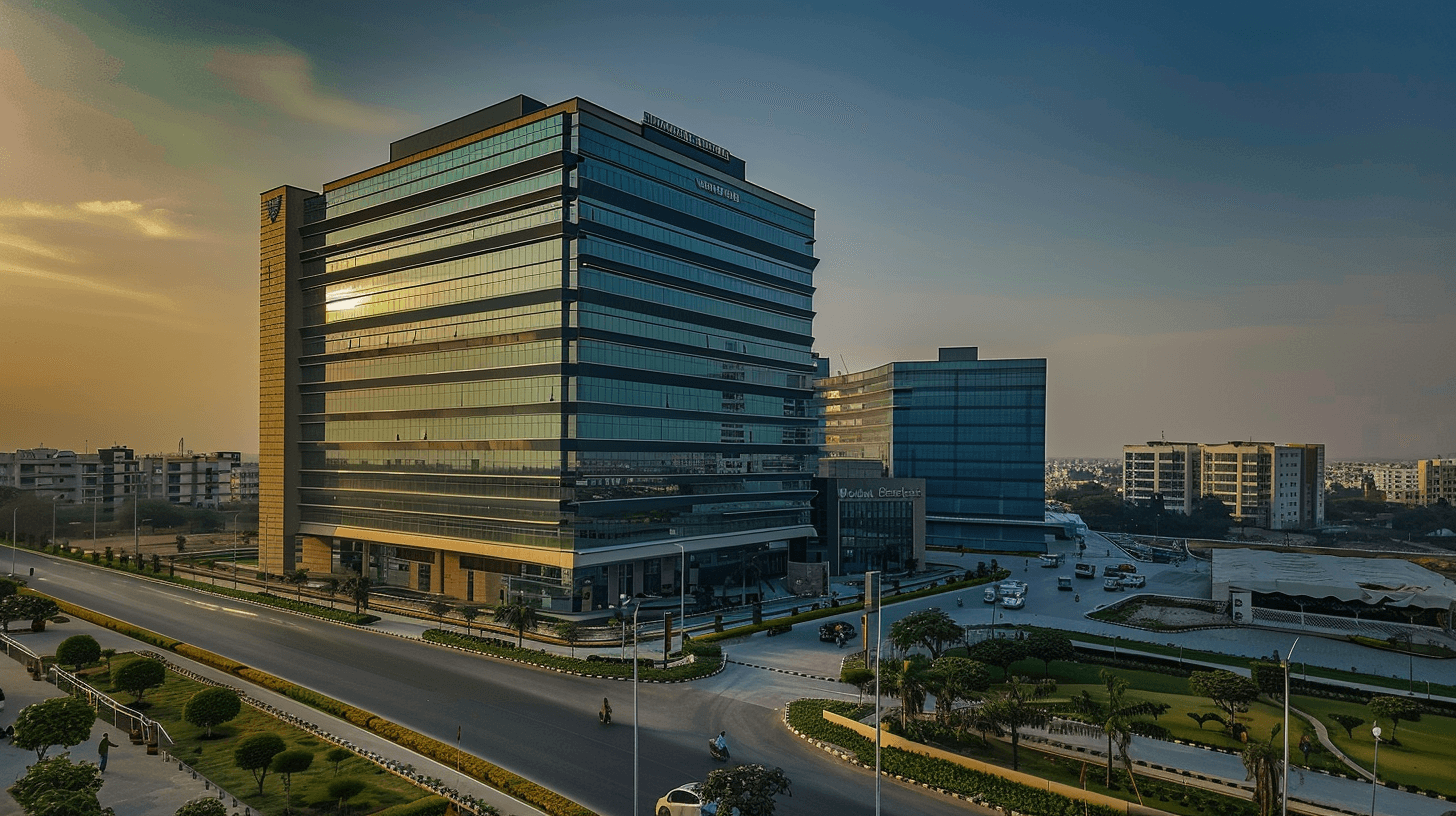
The city has 9.7 million sq ft of operational Jaipur office space, most of it Jaipur Grade A offices, with rentals ranging from Rs 45 to Rs 95 per sq ft per month. The JLL Jaipur report projects another 3.32 million sq ft of new Jaipur office space to enter the Jaipur commercial real estate market by 2028. The office vacancy rate stands at about 24%, while the flexible workspace segment offers around 11,000 seats, with 3,150 more expected in the coming quarters.
Why companies are choosing Jaipur commercial real estate
JLL said Jaipur's location near the National Capital Region, improving infrastructure, skilled talent pool and competitive operating costs are drawing corporate occupiers from IT and IT-enabled services, BFSI, consulting and logistics into the Jaipur commercial real estate market. Local developers say companies are choosing the city for its talent pool, connectivity and modern lifestyle rather than cost advantages alone. JLL highlighted that Jaipur's strategic location near Delhi NCR, ongoing infrastructure development and competitive operational costs have contributed to its appeal for companies in IT and IT-enabled services, BFSI, consulting and logistics.
"Jaipur exemplifies the transformation underway across North India's Tier-II markets. We are witnessing occupier demand from technology firms, financial institutions, and logistics operators who recognise that Jaipur offers the infrastructure quality of metro markets with superior cost economics and access to North India's expanding talent base," said Manish Aggarwal, Senior Managing Director, North and East India at JLL.
Over the past few years, Jaipur has shown steady advancement as a commercial real estate destination, positioning itself among India's more active Tier II markets. The city's strategic location near Delhi NCR, developing infrastructure and competitive operational costs have attracted businesses seeking expansion beyond traditional metro centres.
The office sector has been the key driver of this growth, with the operational stock serving tenants across technology, finance and consulting. The report noted that the office sector leads the city's growth, supported by demand from technology firms, financial institutions and logistics operators, and that the flexible workspace segment continues to expand alongside traditional offices. Jaipur's emergence as a Tier-II hub reflects the expanding opportunity that Tier-II cities in India are offering, driven by market maturation and increasing business interest throughout the region. The city is demonstrating consistent growth momentum across office, retail and warehousing segments, according to JLL. Sustained occupier demand and developer confidence sit behind the Jaipur commercial real estate supply pipeline of 3.32 million sq ft projected by 2028, a pipeline that adds depth to the city's Tier-II office market.
Southern corridors lead Jaipur commercial real estate expansion
Southern Jaipur, particularly Tonk Road, Sitapura and the Ajmer Road corridor, is seeing aggressive expansion, with new Jaipur Grade A offices, co-working hubs and specialised IT and ITeS offices catering to the growing professional workforce, said Mukesh Choudhary, managing director of Accuspace.
Choudhary said favourable policy support, talent pool and infrastructure growth are reshaping Jaipur commercial real estate, and that the city has significant potential to attract large corporate occupiers and support sizeable Grade A developments.
The Jaipur commercial real estate market now stands among the country's more active Tier-II office markets, as businesses continue to expand beyond traditional metropolitan centres.