Midlife Weight Loss May Restore Heart Health: Research
New research reported by The Guardian suggests midlife weight loss can restore heart health, offering hope that obesity-linked heart damage is reversible.
by Trends DeskOctober 21, 20263 min read
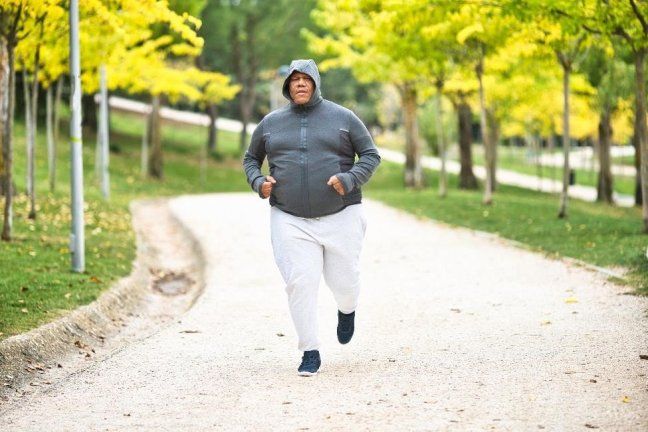
Losing weight in middle age may do more than improve how you look — it could actually restore the health of your heart, new research suggests. Reporting on the findings, The Guardian says the study offers encouraging evidence that midlife weight loss can reverse some of the cardiovascular damage linked to carrying extra kilos through your forties and fifties.
The research adds to a growing body of work on healthy ageing that challenges the idea that heart damage from obesity is permanent. According to the report, people who shed significant weight in midlife showed improvements in heart-health markers, suggesting that the heart and blood vessels retain a remarkable capacity to recover when the burden of excess weight is lifted.
Midlife weight loss and cardiovascular health: what the research shows
Middle age is a critical window for heart health. Metabolism slows, visceral fat accumulates around organs, and the risks of high blood pressure, raised cholesterol and type 2 diabetes climb steadily. These factors together drive the obesity heart risk that makes heart disease the world's leading killer — and in India, heart attacks are striking at ever younger ages.
What makes the new findings significant is the suggestion of reversibility. The midlife weight loss seen in the study was associated with measurable recovery in cardiovascular function, implying that it is not too late to act even after years of carrying extra weight. Cardiologists have long advised that weight loss benefits extend well beyond midlife, and this research strengthens that message with fresh evidence.
Midlife weight loss: how the heart recovers
Scientists believe several mechanisms are at work. Shedding visceral fat reduces chronic inflammation, eases the workload on the heart, improves blood pressure and helps normalise blood sugar and lipid levels. Together, these changes lower the obesity heart risk profile and give blood vessels a chance to regain flexibility — a key component of heart health.
Importantly, researchers stress that how the weight comes off matters. Gradual, sustained midlife weight loss through balanced eating and regular physical activity is far healthier than crash dieting, which can strain the heart and lead to rapid regain. The weight loss benefits observed in the research came from genuine lifestyle change, not quick fixes.
Midlife weight loss: practical steps for healthy ageing
For readers in their forties and fifties, the message is hopeful but disciplined. Experts recommend a combination of portion-aware eating rich in vegetables, whole grains and lean protein; at least 150 minutes of moderate activity a week; strength training to preserve muscle; and consistent sleep — all cornerstones of healthy ageing that support lasting midlife weight loss.
Nutrition researchers say the eating pattern matters as much as the calorie count. Diets rich in vegetables, fruits, whole grains, legumes and healthy fats — along the lines of the Mediterranean eating pattern — are consistently linked with better heart outcomes than restrictive fad diets. Cutting back on sugary drinks, refined snacks and excessive alcohol often delivers the biggest early gains, while regular meal timings help stabilise blood sugar. Combined with brisk walking, cycling or swimming, such changes are sustainable for decades rather than weeks, which is precisely why they protect the heart over the long run.
Anyone with existing heart conditions, diabetes or on medication should consult a doctor before starting a weight-loss programme, since exercise and dietary changes can interact with treatment. But the broader takeaway stands: the heart is more forgiving than we thought, and midlife weight loss may be one of the most powerful investments you can make in your cardiovascular health.