One-third of rural homes face iodine deficiency risk
Minister K. G. Arunraj said a Chennai study found one-third of rural households use salt with too little iodine, despite daily use of 13 grams.
by Trends DeskOctober 27, 20263 min read
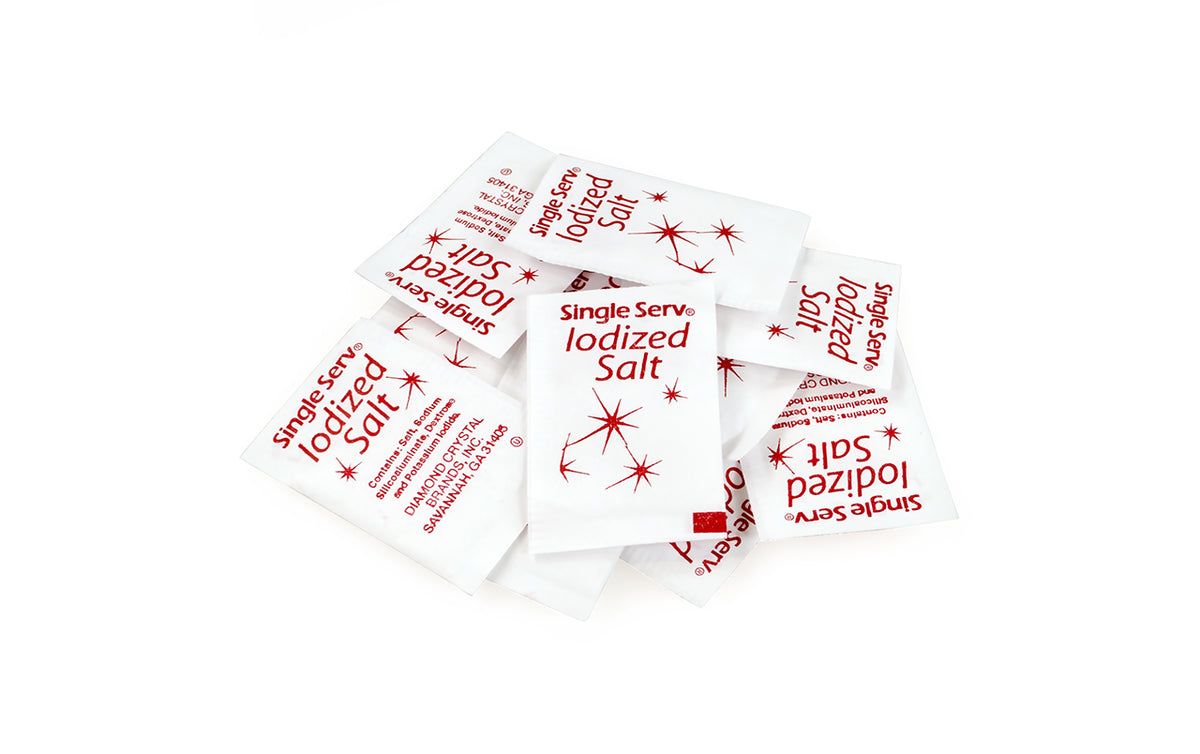
Health Minister K. G. Arunraj highlighted on Tuesday, 27 October, that a recent study in Chennai revealed one-third of rural households use salt with insufficient iodine, despite an average daily consumption of 13 grams. The Minister emphasised the health risks associated with iodine deficiency and the government's ongoing awareness work.
The finding points to a gap between how much salt people eat and how much iodine that salt contains. Eating 13 grams a day does not protect a household when the salt itself carries too little iodine. The study, reported in Chennai on 27 October, found that one-third of rural families were using low iodine salt, a result the Minister raised as a public health concern for Tamil Nadu's villages.
Iodine is a mineral the body needs in small amounts to make thyroid hormones, which regulate growth and metabolism. When intake falls short over time, iodine deficiency can lead to goitre, an enlargement of the thyroid gland, and can affect growth and brain development in children. Pregnant women and young children are among those most affected when iodine intake is low, because thyroid hormones support brain development in the earliest years of life.
What iodine deficiency does to health
The health risks the Minister pointed to are well established. Iodine deficiency disorders include goitre and, in children, impaired physical growth and learning. Because the body cannot make iodine on its own, the mineral must come from food, and salt has long been the main vehicle for delivering it to households. That is why the iodine content of the salt in a family's kitchen matters more than the amount of salt the family eats.
Low iodine salt reaches kitchens in several ways. Some households buy uniodised or inadequately iodised salt, and some salt loses iodine when it is stored in open containers or kept in damp and hot conditions. Checking that a packet is labelled iodised salt, and keeping salt in a closed container away from moisture and heat, are simple steps households can take. The study's finding suggests those steps are still not reaching one-third of rural homes.
Why iodine deficiency persists in rural homes
Rural households face particular hurdles. Awareness of iodised salt and its benefits is lower in villages than in towns, and price often decides which salt a family buys. Some families use crystal or crushed salt sold loose, which may not carry the iodine levels found in refined salt with added iodine. The Minister's remarks underline that availability alone does not solve the problem: salt must be adequately iodised, and families must know why that matters.
The government's ongoing awareness work is aimed at closing that knowledge gap. That work reaches families through health workers, schools and local messaging to explain that iodised varieties prevent iodine deficiency disorders and to encourage families to check what they buy. The Minister emphasised that these campaigns continue, alongside efforts to make adequately iodised stocks available in rural markets.
What iodine deficiency awareness campaigns aim to change
Awareness campaigns of this kind have a practical goal: every rural household using salt with enough iodine. That means reaching families who buy loose salt, families who store salt badly, and families who have never heard why iodine matters. Health workers can test salt samples in homes and explain the result on the spot, turning a general message into advice for one kitchen.
The finding reported by the Minister is a reminder that iodine deficiency has not gone away. One-third of rural households using salt low in iodine is a sizeable share, and the 13 grams of daily consumption shows the issue is the salt's content, not the quantity eaten. The Minister raised the study's result on 27 October and stressed the health risks of iodine deficiency and the government's ongoing awareness campaigns to address it.