Opposition stages public impeachment of election chief
Opposition parties staged a symbolic public impeachment of Chief Election Commissioner Gyanesh Kumar on 31 October over alleged electoral roll deletions.
by Trends DeskNovember 19, 20264 min read
India's opposition parties staged a symbolic public impeachment of Chief Election Commissioner Gyanesh Kumar on October 31, 2026, demanding his removal over alleged manipulation of electoral rolls in an exercise verifying around one billion voters. The public impeachment proceedings, held at Congress President Mallikarjun Kharge's residence in New Delhi, were presided over by former Lok Sabha Speaker Meira Kumar. The event has no constitutional status: a Chief Election Commissioner can be removed only like a Supreme Court judge, on proved misbehaviour or incapacity.
INDIA bloc leaders, MPs, civil society representatives and people who claimed their names had been wrongfully deleted attended the public impeachment event. The stage resembled the Lok Sabha, with a wooden-panelled backdrop and semi-circular seating. The programme had been scheduled for Friday and was postponed a day by rain in New Delhi.
Moving the motion at the public impeachment, Kharge accused Gyanesh Kumar of treason and read out a list of allegations against him. He demanded the CEC's removal, repeal of the 2023 law on appointing election commissioners and an end to the Special Intensive Revision exercise. Kharge, Leader of the Opposition in the Rajya Sabha, alleged Kumar ran the Election Commission at the direction of Prime Minister Narendra Modi and Home Minister Amit Shah. Those claims are allegations. The Election Commission rejects the claim that Form 6 was amended, and said on October 26 that revision decisions were unanimous.
The charges behind the public impeachment event
The resolution at the public impeachment listed six charges against the Chief Election Commissioner: conspiracy to steal elections, deletion of 13.2 crore voters in the revision, rewriting of Form 6 without parliamentary approval, seizure of rolls through the ECINET platform, excluding the other two Election Commissioners, and action at the behest of the Prime Minister and Home Minister. Kharge also alleged the Special Intensive Revision had deliberately removed around 14 crore voters, against 13.2 crore in the resolution. Both figures are opposition claims about electoral roll deletions, not findings by any court or official count.
He said opposition MPs had submitted notices in both Houses seeking the CEC's removal, but their proposals were rejected. He blamed the Chief Election Commissioner and Other Election Commissioners (Appointment, Conditions of Service and Term of Office) Act, 2023, for enabling the CEC's actions and shielding him from accountability. He alleged it passed after 145 opposition MPs were suspended. Accusing Kumar of violating his constitutional mandate and betraying public trust, Kharge said INDIA bloc MPs, who he claimed represented 60 percent of the population, had resolved that the CEC should face trial for treason in a court. That Gyanesh Kumar removal demand is political, not a legal process under way.
What the revision dispute is about
The revision is the Election Commission's exercise to verify and update electoral rolls. The dispute centres on how names are added and removed, on documents and on Form 6. The Indian Express reported that Election Commissioners Sukhbir Singh Sandhu and Vivek Joshi had objected to changes in the online Form 6 process. The Election Commission rejected the claim that the statutory Form 6 was amended, saying an additional declaration was separate from it, with an expert committee to review ECINET's compliance.
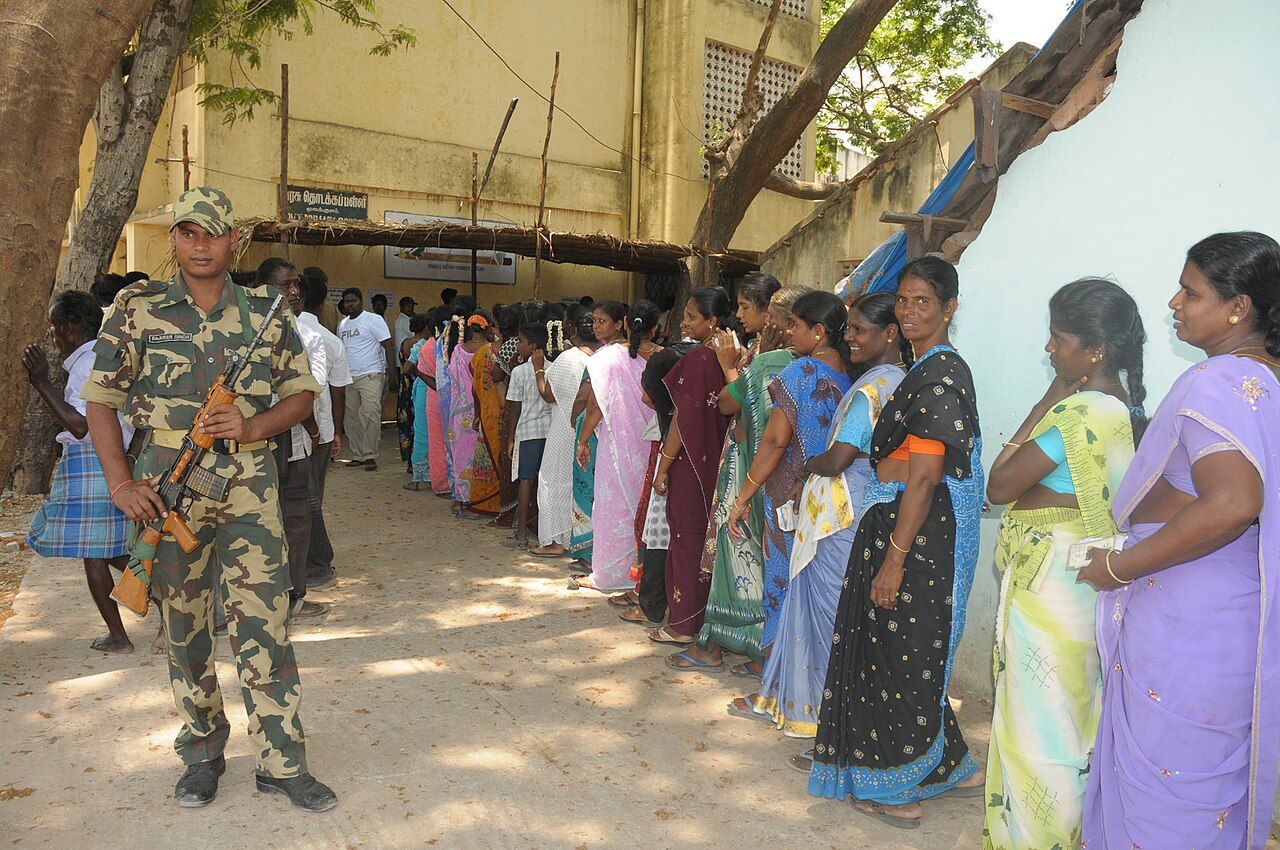
The Supreme Court upheld the Election Commission's power to conduct a Special Intensive Revision in May 2026, under Article 324 and Section 21(3) of the Representation of the People Act. Disputes over documents, Form 6 and electoral roll deletions are still being argued. The public impeachment event sits alongside live court proceedings; none of the charges read out at Kharge's residence has been determined by a court.
What happens next after the public impeachment
The opposition's campaign centres on alleged irregularities in the revision. The public impeachment programme came ahead of a Sunday rally at Ramlila Maidan in New Delhi under the slogan "Vote Bachao, Desh Bachao". Supporters converged on Ramlila Maidan on November 1 as the INDIA bloc marched to demand the CEC's resignation, while the ruling BJP rejected the allegations.
A formal Gyanesh Kumar removal would still require constitutional procedures beyond street action, including parliamentary approval on proved misbehaviour or incapacity. The demand voiced at the symbolic proceedings does not itself start that process. The October 31 public impeachment put the opposition's case in public, with voters who say their names were deleted speaking at the gathering, and set up the November 1 rally as the next step.