Pune dengue review ordered after suspected child death
PMC reviewed dengue and malaria prevention in Pune on October 23 after a young girl's suspected dengue death and criticism over delayed spraying.
by Trends DeskOctober 23, 20263 min read
Pune's dengue control effort came under official scrutiny on October 23, when the Pune Municipal Corporation (PMC) reviewed its prevention measures at a special meeting. The Pune dengue review followed the suspected dengue death of a young girl and sharp criticism from standing committee member Suhas Tingre over delays in insecticide spraying. Additional municipal commissioner Pavneet Kaur chaired the meeting.
Tingre cited two cases to make his point. An eight-year-old girl, a relative of his, died of malaria. A two-and-a-half-year-old girl spent eight days in intensive care at Sassoon General Hospital with dengue before being discharged.
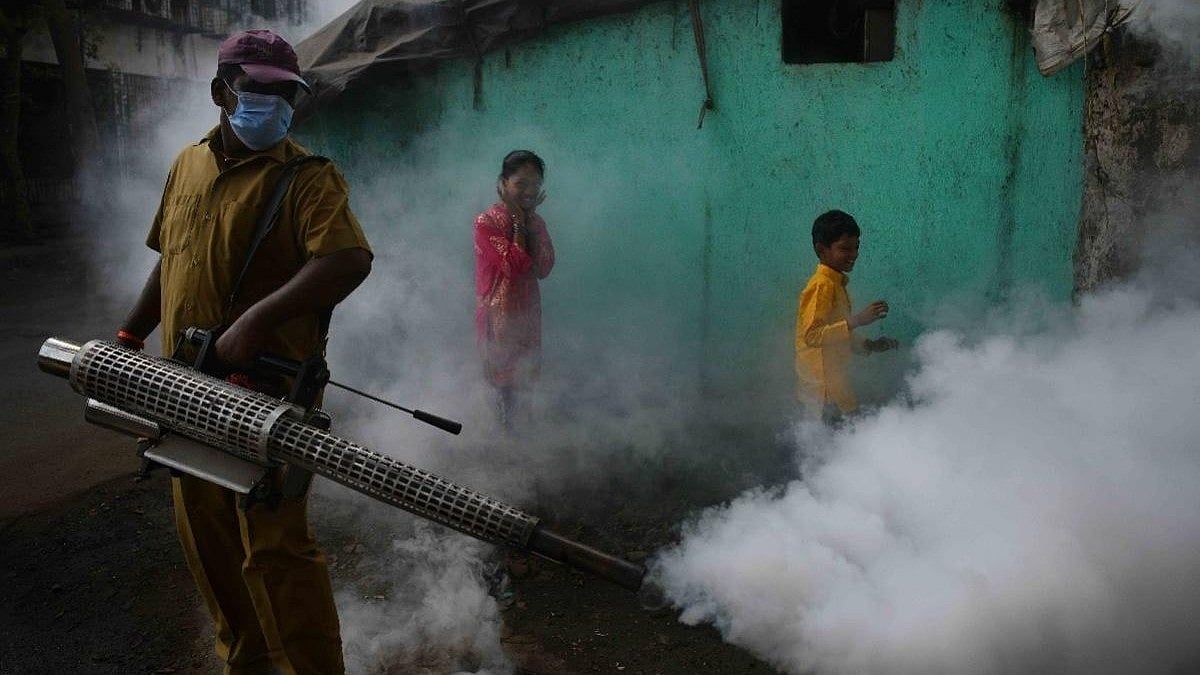
Tingre alleged that insecticide spraying had not been carried out at the discharged child's home even eight days after she left hospital. Health department officials attributed the lapse to an expired spraying contract and a shortage of staff. The Pune dengue case that spent eight days in intensive care became the centrepiece of Tingre's attack.
Pune dengue: what the civic body was told
The health department told the meeting that fresh tenders for spraying contracts are under process. Until the new contracts are awarded, the department is working with the staff it has, officials said. Officials said staff strength for vector-control work is below requirement in several wards.
Tingre said the gap between policy and fieldwork was costing lives. He called the Pune dengue lapses unacceptable and demanded that spraying be completed in all affected areas within days. He asked why the contract had been allowed to lapse without a replacement in place.
Sassoon General Hospital cases put the spotlight on delays
The two cases Tingre raised both passed through the city's health system. The eight-year-old died of malaria, while the toddler's dengue infection needed eight days of intensive care at Sassoon General Hospital. The toddler has since been discharged, he said. Malaria, like dengue, is spread by mosquitoes, and both diseases surge after the monsoon. The cases have become the face of the Pune dengue debate in the city's political circles.
What residents are being asked to do
The corporation appealed to residents to prevent water stagnation in and around their homes, keep water tanks covered and seek medical advice early if they develop fever. Health officials say stagnant water in coolers, flower pots and open tanks is where mosquitoes breed. The advisory covers the basics: no stagnant water, covered tanks, and early medical consultation for fever. Officials said early testing helps catch infections before complications set in.
The PMC said fogging and larvicide drives will continue alongside the contract renewal. The corporation has not announced a deadline for completing the pending spraying rounds. The prevention effort now depends on closing the staffing and contract gaps its own officials admitted to.
Pune dengue review: what happens next
The PMC review ended with directions to speed up the tender process and deploy available staff to the worst-affected wards. The meeting, chaired by Pavneet Kaur, ended with a warning from Tingre that he would raise the matter again if spraying did not begin within days. Tingre said residents deserved to know when the spraying teams would reach their lanes.
For the families of the two children, the review comes after the damage is done. The Pune dengue meeting on October 23 will be measured by what changes on the ground, not by what was said in the meeting hall.