Zimmer Biomet launches robotic knee replacement in India
Zimmer Biomet has launched ROSA Knee with OptimiZe in India, an enhanced system for personalised robotic knee replacement surgery.
by Trends DeskOctober 26, 20263 min read
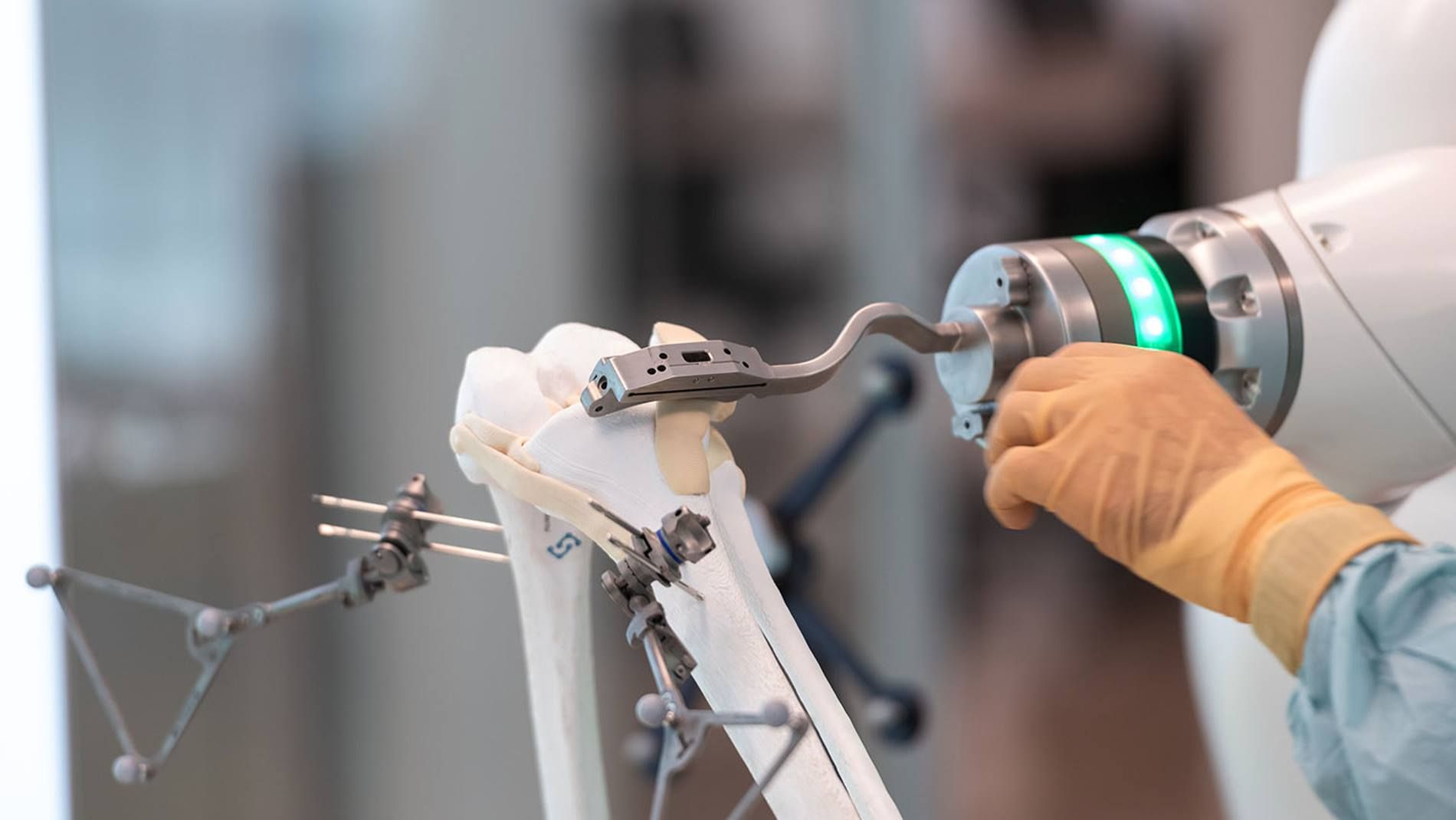
Zimmer Biomet has launched ROSA Knee with OptimiZe in India, an enhanced system for robotic knee replacement surgery, the company announced on 26 October. The system is an updated version of its ROSA Knee System and is designed to support personalised robotic knee replacement, combining custom surgical planning with new positioning, tracking and alignment features. The company said the features are meant to support accuracy and reduce variation between surgeons.
Ajay Bagga, managing director and country head of Zimmer India, said orthopaedic care was moving toward more personalised approaches, with technology opening new ways to support surgical decisions for individual patients. He said the company's focus was on bringing technologies to India that help surgeons tailor care to each patient, including tools for robotic knee replacement. The launch, he said, reflected continued work on robotic-assisted surgery, with tools designed to support consistency in planning and execution.
Zimmer Biomet Holdings, listed in New York and Switzerland, describes itself as a global medical technology leader. The ROSA Knee System was already available before this update, and OptimiZe adds planning, landmarking and tracking features to that base system. It is aimed at total knee replacement, where a damaged joint surface is replaced with an implant. The company said the update is meant to give surgeons a more consistent planning and execution experience from case to case.
How robotic knee replacement planning works with OptimiZe
OptimiZe Planning creates custom surgical plans to guide implant positioning based on a patient's anatomy and the surgeon's knee-balancing preferences, so planning for robotic knee replacement starts from the individual knee. OptimiZe Landmarking uses a bone-painting feature to help reduce variation in landmarking by the user. Together, the two features are designed to give the surgeon a plan matched to the individual knee before surgery begins.
OptimiZe Tracking uses motion-sensitive Active Track technology so the Cut Guide does not need to be pinned to the bone. The company said bone resections can remain on plane even when the leg moves during robotic knee replacement, which addresses one of the practical problems of keeping alignment steady during an operation. Zimmer Biomet India said the system also connects with ZBEdge Analytics, its data analytics platform, to give surgeons data-based insights for clinical decisions.
Tracking and alignment in robotic knee replacement
In robotic knee replacement, alignment is central to knee surgery because implant position affects how the joint moves after the operation. Small errors in positioning can affect comfort and how long an implant lasts, which is why the company puts weight on tracking that follows leg movement. The new features do not replace the surgeon's judgment; they are presented as tools that support planning and execution, with the surgeon still controlling the operation.
For hospitals, the practical side of adoption is training and setup. Robotic systems need theatre time, staff training and maintenance, and surgeons need time to build familiarity with new planning tools before they become routine. Surgeons who already use the base system will face the smallest change, since OptimiZe builds on tools they know. The announcement did not set out a timetable for hospital adoption or a list of centres that will offer the system first. Those details will emerge as hospitals decide whether the system fits their caseload and their existing orthopaedic practice.
The launch adds to Zimmer Biomet's robotic portfolio in India, and Zimmer Biomet India said its focus remains on technologies that support surgeons in tailoring orthopaedic care to individual patients. The company did not disclose pricing or how many hospitals would take up the system at launch. For patients considering knee surgery, the practical question will be which hospitals offer robotic knee replacement and what their own surgeon advises, since the announcement covers availability of the technology rather than a change in treatment guidance.