Supreme Court asks ECI to examine Form 7 applications
The Supreme Court has asked the Election Commission to examine bulk Form 7 applications for voter deletion in Uttar Pradesh and file a compliance report.
by Trends DeskNovember 19, 20263 min read
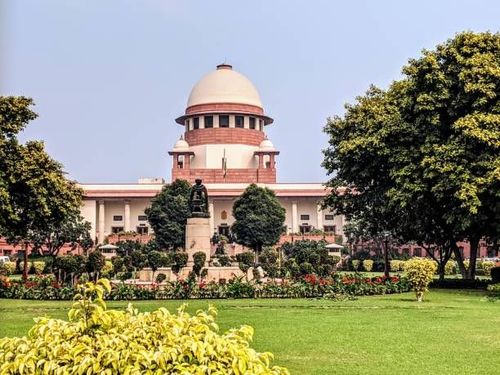
The Supreme Court has directed the Election Commission of India to examine allegations of bulk Form 7 applications for voter deletion during the Special Intensive Revision of electoral rolls in Uttar Pradesh, and to file a compliance report. A bench of Chief Justice Surya Kant and Justices Joymalya Bagchi and V Mohana passed the direction on 30 October. The petitioners must first submit a note listing the irregularities they say remain unresolved to senior counsel for the Election Commission. The commission must then examine the factual aspects, take necessary corrective steps and file a compliance report. Form 7 applications are the route by which an elector can object to another person's inclusion in the roll.
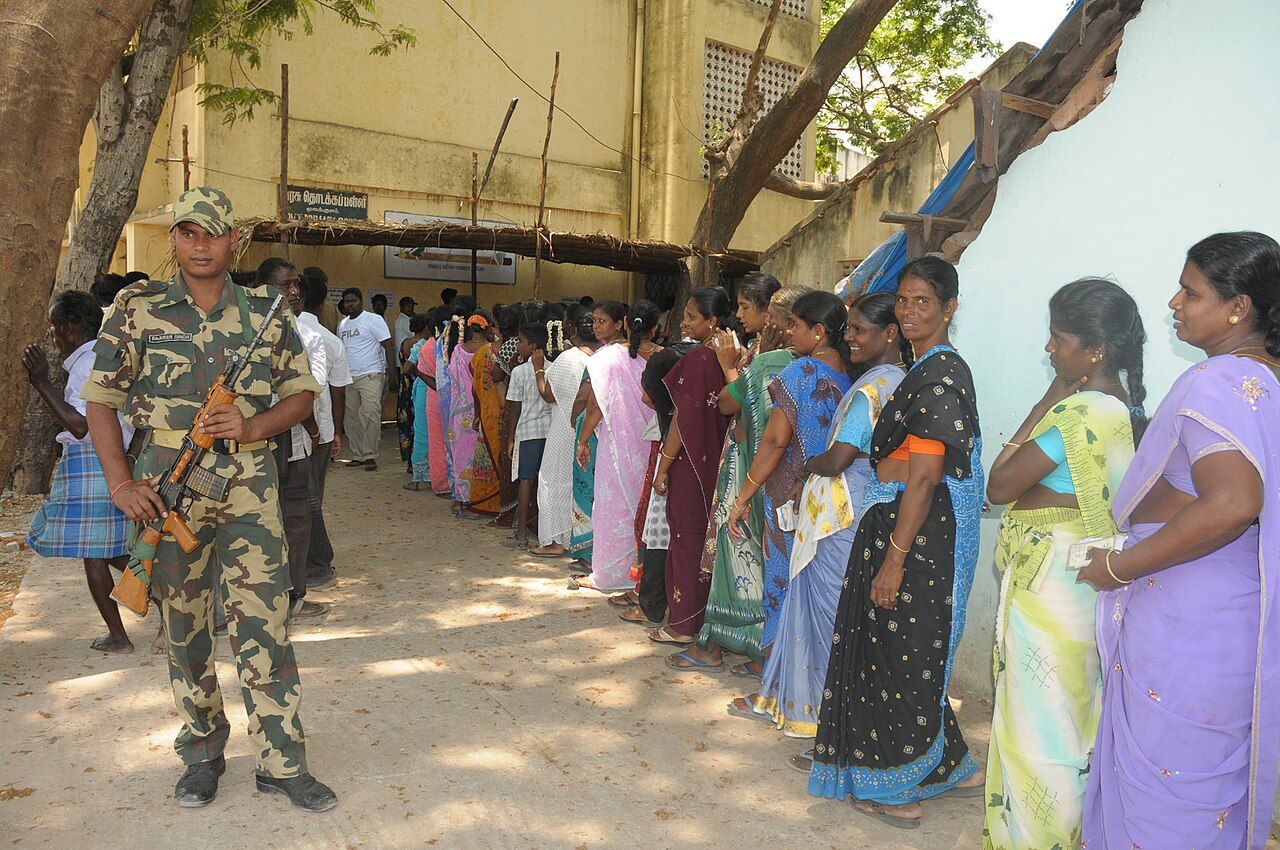
The direction came during a hearing on pleas filed by Congress MP Tanuj Punia and other leaders challenging the conduct of the Special Intensive Revision exercise in Uttar Pradesh. The petitioners said over 13 crore electors were included in the final electoral rolls. The opposition alleged that over 2.04 crore names were removed during the revision. That removal figure is an allegation made in the proceedings. The court made no finding on it in this order. The order instead sets out a process for checking the specific complaints that remain open.
Counsel for the petitioners told the court that on 5 August it had asked the commission to respond to an interim application concerning Form 7 submissions before booth level officers. The counsel said the concerns relating to Chhattisgarh and Kerala had since been addressed, while the allegations involving Uttar Pradesh remained unresolved. The Form 7 applications at issue in Uttar Pradesh are therefore the remaining part of a wider set of complaints that began with that August direction.
Form 7 applications: the petitioners' allegations
The petitioners alleged that 32 Form 7 applications in a single constituency were filed to target members of a particular community. Their counsel also pointed to two forms on record that bore the signature of a booth level officer, and claimed the commission's affidavit contained material inconsistencies. Those points are the petitioners' allegations. The court has not decided between the petitioners' account and the commission's account. It has directed the commission to examine the specific irregularities the petitioners put in their note.
Counsel for the petitioners referred to similar allegations in Telangana and Karnataka, where directions had been issued for registration of first information reports. The counsel argued that the absence of comparable action in Uttar Pradesh had encouraged further attempts to misuse the process, and described the effort as orchestrated. That description is the petitioners' argument. The Form 7 applications process ordered by the court does not adopt that description as a finding. It requires the commission to verify the facts first.
Form 7 applications: the commission's response
Senior Advocate D S Naidu, appearing for the Election Commission, acknowledged that bulk Form 7 applications had been submitted. He said officers checked and cross-checked the forms, found them false, and did not act on them. According to the commission, no voter's name was deleted on the basis of such forms. The commission's position is that the forms were screened out before any deletion took place. The court order asks the commission to test that position against the specific cases in the petitioners' note and to report back on compliance.
In the same hearing, the bench declined to extend the deadline for the Special Intensive Revision verification exercise in Kerala. The court observed that corrections and inclusion requests can be pursued through a continuing process. The Form 7 applications direction for Uttar Pradesh, with a compliance report to follow, now is the next step in that state's revision proceedings.