Dengue vaccine study begins in Tamil Nadu's Tenkasi district
Tamil Nadu is conducting India's first dengue vaccine study in Tenkasi district under ICMR oversight, health minister K G Arunraj said on October 22.
by Trends DeskOctober 23, 20263 min read
Tamil Nadu is conducting India's first dengue vaccine study, health minister K G Arunraj said on October 22. The study is under way in Tenkasi district and is overseen by the Indian Council of Medical Research (ICMR). Arunraj spoke to reporters on the sidelines of a workshop on child development in Chennai.
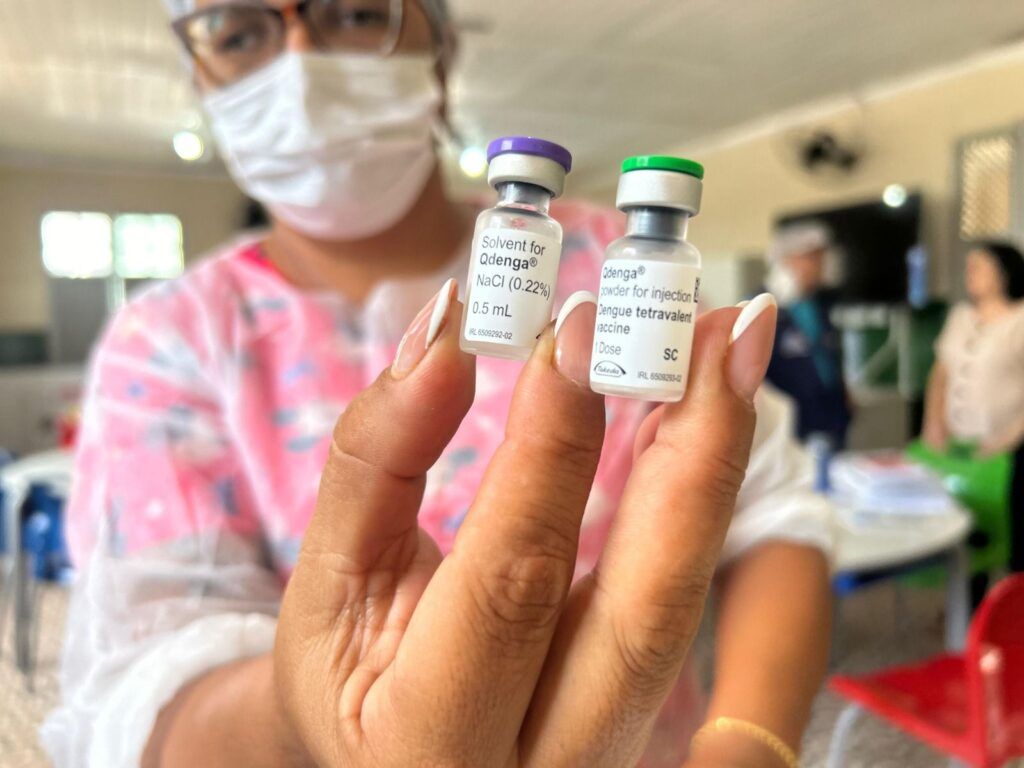
The vaccine being studied is part of Brazil's immunisation schedule. It is being evaluated for its effectiveness in Indian conditions. The minister said it offers 80 to 90 per cent protection against severe consequences and hospitalisation, citing data shared with the state. The dengue vaccine study is the first of its kind in the country.
Arunraj said the current dengue situation in the state is under control. He warned that the real challenge will emerge during the rainy season over the next two to three months. Tamil Nadu was hit by an unexpected downpour of more than 36 cm in three hours a few days ago, and the minister said roads were cleared within hours after review meetings chaired by the chief minister. The study adds a longer-term element to the state's response, which has so far relied on fogging, spraying and drain-clearing drives.
What the dengue vaccine study will measure
The dengue vaccine study in Tenkasi will examine whether the Brazilian vaccine protects people in Indian conditions as well as it has in Brazil. The state has not disclosed how many volunteers will take part or how long the study will run. Health officials are expected to track infection rates, hospital admissions and severe outcomes among participants.
Dengue is a mosquito-borne viral infection that causes high fever, severe headache and joint pain. Severe dengue can cause bleeding and organ damage. The disease returns every monsoon in Tamil Nadu, when stagnant water lets mosquitoes breed.
Minister warns of the monsoon challenge
The minister appealed for public cooperation to prevent water stagnation in households. He cautioned against self-medication and asked people with fever to visit hospitals instead of trying home remedies. "If at all there is a fever case, they should immediately come to the hospital," he said.
Arunraj also confirmed that Vandalur zoo has been closed to the public after a single avian flu case was detected. Animal handlers are being tested as a precaution, he said. The Vandalur zoo closure is a separate precautionary step and is not linked to the dengue work.
The state has stepped up fogging and larvicide spraying in past monsoons, but cases still climb each year. The dengue vaccine study is meant to test whether vaccination can add a lasting layer of protection against severe dengue beyond seasonal control measures.
Dengue vaccine study timeline and next steps
No timeline for the dengue vaccine study results has been announced. The ICMR's oversight puts the work under the country's apex medical research body, and its findings will feed into national decisions on whether the vaccine can be used more widely in India. Public health researchers will watch the results closely, since a successful dengue vaccine study in Tenkasi could reshape how the country prepares for the disease. It will also show whether a vaccine designed for Brazil holds up in a different epidemiological setting.
For now, the minister's message is prevention. The study continues while the state braces for the next spell of rain.