Tamil Nadu temples plan diabetic-friendly annadanam meals
Tamil Nadu temples are reportedly planning diabetic-friendly annadanam meals to give devotees with diabetes nutritious food options during temple feasts.
by Trends DeskOctober 27, 20263 min read
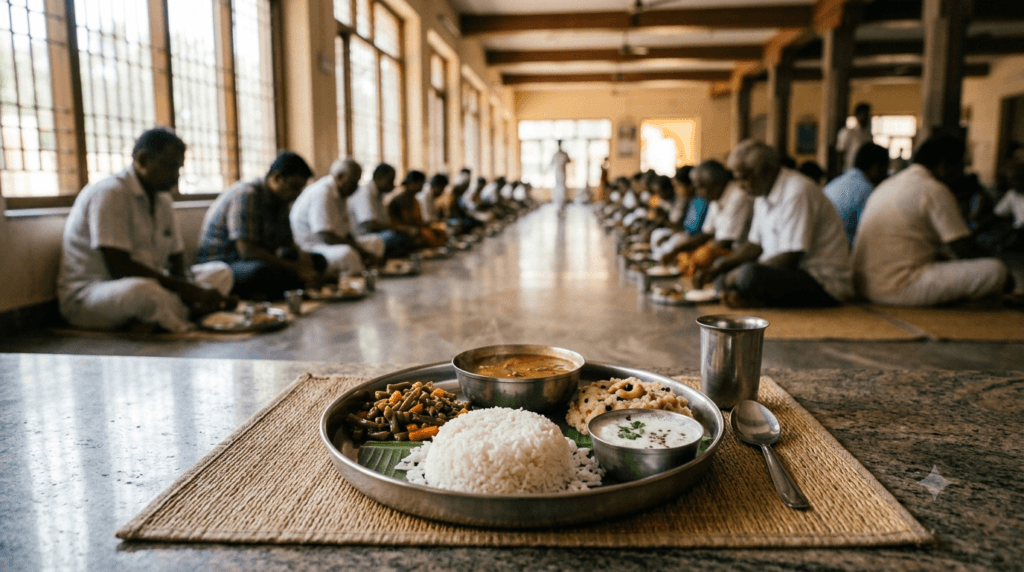
Tamil Nadu temples are reportedly planning to introduce diabetic-friendly annadanam meals, as of Monday, 26 October. The initiative aims to provide nutritious and suitable food options for devotees with diabetes during temple feasts, according to the Chennai news report.
Annadanam, the offering of free food to devotees, is one of the oldest traditions of Tamil Nadu's temples. On festival days and special occasions, temples serve meals to large numbers of visitors, and for many devotees the temple meal is part of the visit itself. The reported plan would adapt that tradition so that diabetic devotees are not left out of the shared meal.
The reports did not name specific temples, start dates or menus for the new meals. What is reported is the intention: temple meals designed with the dietary needs of devotees with diabetes in mind, served as part of the annadanam tradition rather than as a separate arrangement.
What changes on the plate
Feasts are traditionally generous with sweets and refined rice, foods that can raise blood sugar quickly. For people with diabetes, that makes the shared meal difficult: they must either skip dishes, eat very little, or manage the effect on their blood sugar afterwards. Diabetic-friendly annadanam would change that calculation by offering dishes planned around steadier blood sugar.
Diabetes-friendly food typically favours whole grains, vegetables and pulses over refined starches, and keeps added sugar low. The point is not to serve a medical diet but to offer temple meals that devotees with diabetes can eat with confidence. Diabetes-friendly food of this sort still follows the temple kitchen's vegetarian tradition, with the difference lying in ingredients and preparation rather than in the spirit of the offering.
For devotees
Diabetes is a condition in which the body cannot produce insulin properly or cannot use it well, so blood sugar must be managed through food, activity and, where prescribed, medicine. A feast day should not force a choice between devotion and health, and the reported plan recognises that tension. Diabetic devotees form a large share of temple visitors, particularly among older worshippers, and feasts are among the most attended occasions in the temple calendar.
Temple meals also carry a social meaning. Eating together after worship is part of the experience, and a separate or unsuitable meal can leave some devotees feeling excluded. By planning diabetic-friendly annadanam within the main feast, temples would let diabetic devotees share the same occasion on the same terms as other visitors.
Tradition and health
Annadanam has always adapted to the people it serves. Temples already vary their menus by festival, season and local custom, and a diabetic-friendly option would extend that flexibility to a health need. Temple feasts draw large crowds, so even a small change in how the meal is planned can affect many visitors.
The initiative remains at the planning stage as reported, and details such as which temples will take part first have not been announced. What the report establishes is the direction: Tamil Nadu temples planning diabetic-friendly annadanam meals so that diabetic devotees have nutritious and suitable food options during temple feasts. For devotees who have long watched the feast from the sidelines, that change would make the temple meal something they can join.