Warehouse Demand Rises as AI Data Center Projects Expand
AI data center projects are boosting US warehouse demand and rents, says JLL — industrial real estate is riding the artificial intelligence construction boom.
by Trends DeskOctober 21, 20263 min read
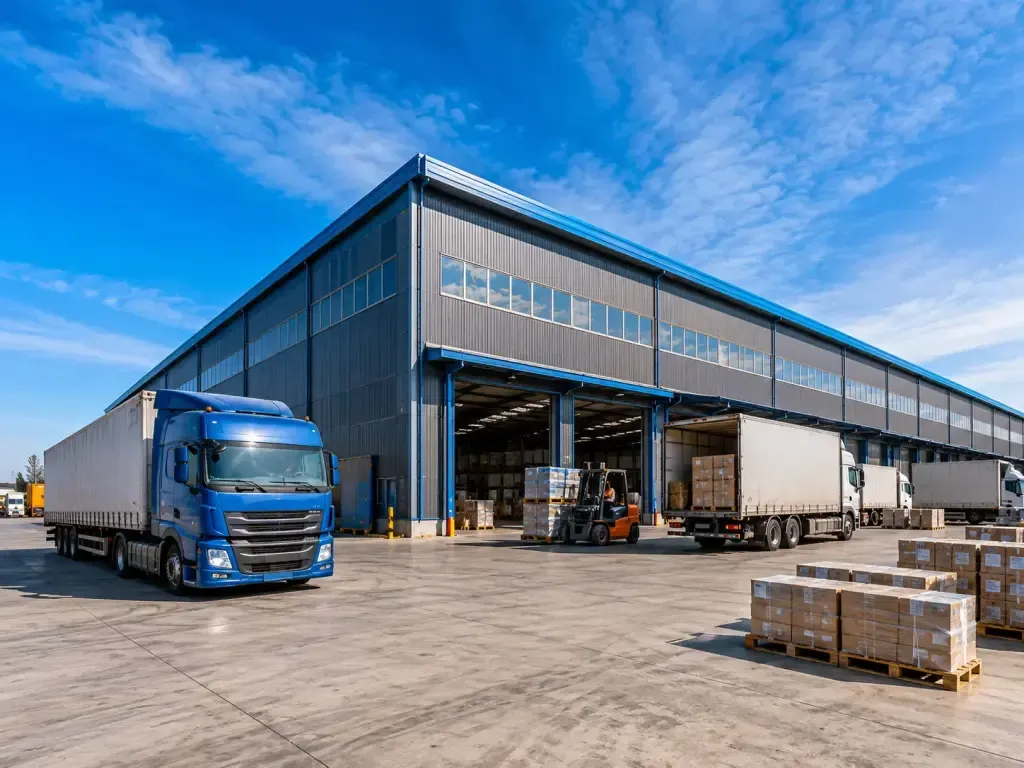
Artificial intelligence is reshaping the market for sheds as well as servers. AI data center projects are boosting warehouse demand and rents across the United States, according to real estate company JLL, as the construction boom around digital infrastructure spills over into industrial real estate.
The finding, reported by Reuters, Investing.com and TradingView, highlights an underappreciated knock-on effect of the AI buildout. Data centers do not rise in isolation: they need equipment staging, component storage and logistics support, all of which pull on the surrounding warehouse market.
For owners of logistics property, the data center boom is proving to be an unexpected tailwind at a time when other parts of commercial property face headwinds. Industrial real estate entered the year in a cooler phase after the pandemic-era surge; AI-linked demand is now providing fresh momentum.
Warehouse demand and the data center boom connection
The mechanics are straightforward. Building a data center involves moving enormous quantities of servers, cooling systems, generators and cabling, much of it staged in nearby warehouses before installation. JLL's analysis suggests this activity is lifting warehouse demand in markets clustered around major data center developments.
Beyond construction, operating data centers sustains ongoing logistics needs: spare parts, replacement equipment and maintenance supplies all require local storage. As the data center boom accelerates, that steady drumbeat of industrial demand compounds, supporting both occupancy and warehouse rents.
Warehouse rents climb on industrial real estate momentum
Rising warehouse demand is translating into pricing power for landlords. JLL reports that warehouse rents are climbing in affected markets, a notable development given the broader industrial sector had been seeing rent growth moderate after years of exceptional gains.
Investors are taking note. Logistics property has long been prized for its income stability, and an AI-driven demand kicker makes the sector's outlook brighter still. Funds specialising in industrial assets are increasingly mapping data center pipelines when underwriting warehouse acquisitions nearby.
How long the warehouse demand lift can last
The durability of the lift depends on the data center construction cycle, which shows little sign of slowing. Power constraints and permitting bottlenecks may stretch timelines, but the queue of planned AI facilities keeps growing, suggesting warehouse demand linked to the buildout has years to run.
There are caveats. If data center development concentrates in a handful of power-rich corridors, the warehouse demand benefit will be geographically uneven. And a sharp turn in AI capital spending would eventually cool the spillover. For now, though, the signal from JLL is clear: the AI boom is good news well beyond the server hall, all the way to the humble warehouse.
The spillover is also reshaping development geography. Markets once considered secondary for logistics are attracting speculative warehouse construction purely on the strength of nearby data center pipelines, a bet that would have seemed exotic just three years ago.
For tenants, the flip side is tighter availability and less negotiating leverage. Occupiers competing for space near data center clusters may need to commit earlier and accept longer terms, a shift that favours landlords with well-located portfolios.
In an industry always hunting for the next demand driver, few expected it to arrive in the form of artificial intelligence. Yet the link between data center construction and warehouse demand now looks like one of the logistics sector's defining stories.
Analysts expect the effect to persist as long as AI infrastructure spending keeps rising.