Green Hydrogen India Boost as HYDGEN Opens 20 MW Mangaluru Plant
HYDGEN has inaugurated a 20 MW green hydrogen electrolyser manufacturing facility in Mangaluru, boosting India's clean energy manufacturing ecosystem.
by Trends DeskOctober 16, 20264 min read
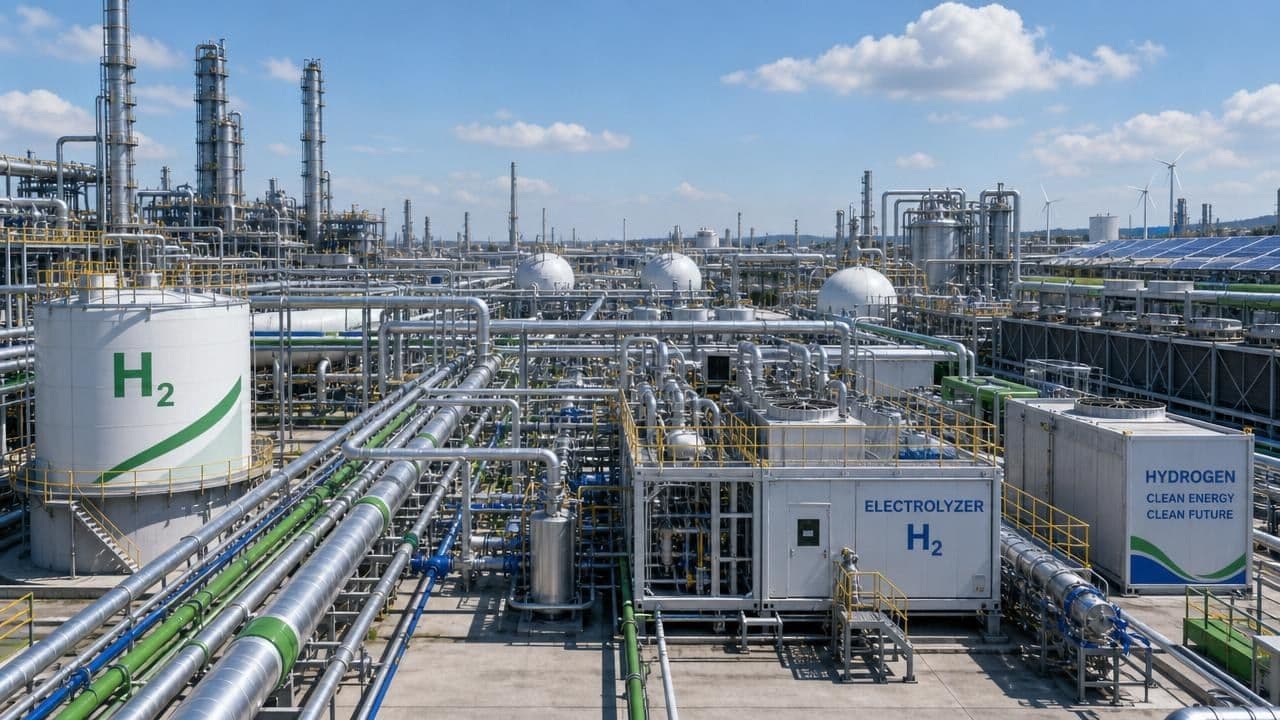
HYDGEN has inaugurated a 20 MW green hydrogen electrolyser manufacturing facility in Mangaluru, marking a significant step for India's clean energy manufacturing ecosystem. The green hydrogen India milestone, announced on October 16, positions the coastal Karnataka city as an emerging hub for the equipment that will power the hydrogen economy.
The facility will produce electrolysers, the core machines that split water into hydrogen and oxygen using renewable electricity. These systems are the critical hardware behind India's National Green Hydrogen Mission and the global race to decarbonise heavy industry.
What the HYDGEN Mangaluru plant will do
The 20 MW facility will manufacture electrolyser stacks and balance-of-plant systems for green hydrogen projects in India and abroad. HYDGEN said the plant is designed for modular expansion, allowing capacity to scale as order books grow.
Mangaluru offers strategic advantages: port access for exports, industrial land, and proximity to renewable energy zones. The company expects the plant to serve both domestic demand from refineries, fertiliser makers and steel producers, and export markets where buyers are scouting for cost-competitive equipment.
Electrolyser manufacturing: the strategic prize
Electrolysers are to green hydrogen what solar panels are to solar power: the manufactured heart of the value chain. Countries that master electrolyser manufacturing will capture the industrial upside of the energy transition, from jobs to exports, which is why governments worldwide are subsidising local production.
India's incentive schemes for electrolyser manufacturing aim to build gigawatt-scale capacity and drive costs down the learning curve. The HYDGEN Mangaluru plant is among the early commercial facilities validating that policy bet, and its performance will be watched closely by investors and policymakers alike.
Green hydrogen India and the National Green Hydrogen Mission
The plant lands squarely within the ambitions of the National Green Hydrogen Mission, which targets 5 million tonnes of annual green hydrogen production by 2030. Achieving that goal requires massive electrolyser deployment, creating a multi-billion-dollar equipment market over the coming decade.
Mission incentives cover both hydrogen production and electrolyser manufacturing, with auctions designed to reward the lowest-cost producers. Early movers like HYDGEN gain valuable operating experience and customer relationships ahead of the demand surge the mission is engineered to create.
Clean energy India manufacturing outlook
The inauguration adds to a growing roster of clean energy India manufacturing investments, from solar modules to batteries to electrolysers. Together, they signal India's intent to be a producer, not just a consumer, of transition technologies.
Challenges remain: cost competitiveness against Chinese equipment, technology risk in scaling new designs, and the pace at which green hydrogen demand materialises. But with policy support, port-linked manufacturing clusters and engineering talent, facilities like HYDGEN's give India a credible shot at a meaningful share of the global hydrogen equipment market.
Green hydrogen India: exports and the road ahead
For green hydrogen India ambitions, green hydrogen exports could become a major revenue stream as global buyers seek cost-competitive electrolysers. The green hydrogen India ecosystem, from the Mangaluru plant to upcoming gigafactories, is positioning the country as an equipment supplier, not just a hydrogen producer. If green hydrogen exports scale alongside domestic deployment, green hydrogen India manufacturing could replicate the solar industry's export success. The next test for green hydrogen India is converting early plants into bankable, repeatable capacity additions.
Green hydrogen India manufacturing is at an inflection point, and early plants will define the industry's trajectory. As green hydrogen India capacity scales, green hydrogen exports could emerge as a major growth driver. The green hydrogen India story is still being written, but facilities like HYDGEN's give the country a genuine head start in the global race.
The project sits within a global race to build clean energy manufacturing capacity. Governments across Europe, America and Asia are deploying subsidies to onshore production of transition technologies. Competition for engineering talent is intense, with electrolyser makers competing against battery and solar companies for the same skill sets. Technology pathways are still evolving, with different electrolyser designs vying for dominance. Cost reduction will depend on manufacturing scale, automation and supply chain maturation. Early movers that achieve bankable performance data will have an advantage in securing large project orders.