Global health security: INTERPOL, WHO sign landmark pact
INTERPOL and WHO have signed a cooperation agreement on global health security to fight falsified medicines, organ trafficking and health threats.
by Trends DeskOctober 17, 20263 min read
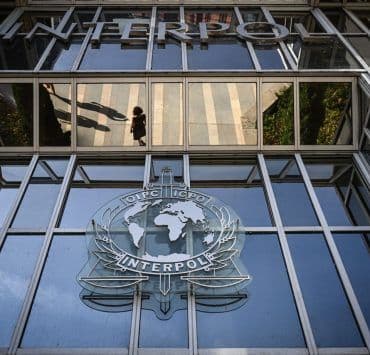
INTERPOL and the World Health Organization (WHO) have signed a landmark cooperation agreement aimed at strengthening global health security by uniting law enforcement expertise with public health leadership. Announced jointly from Geneva and Lyon on 16 October 2026, the agreement creates a formal framework for joint action to prevent, detect and respond to risks at the intersection of crime and health. Officials described it as one of the most significant partnerships the two organisations have concluded, reflecting how deeply criminal networks now threaten public health systems around the world. INTERPOL Secretary General Valdecy Urquiza said crime and health were increasingly interconnected, pointing to falsified medical products and the exploitation of vulnerable individuals as examples of criminal activity putting lives at risk. The agreement, he said, strengthens the ability of the two organisations to protect communities and bring offenders to justice — a goal he described as central to global health security. WHO Director-General Dr Tedros Adhanom Ghebreyesus said health security was global security, adding that deeper collaboration with INTERPOL would reinforce the collective ability to prevent harm, respond to emergencies and protect people from threats that undermine health systems and public trust. The signing follows work that began when INTERPOL's General Assembly approved the draft cooperation agreement in 2024, with 112 votes in favour and one against. ## Global health security: tackling falsified medicines A central pillar of the INTERPOL WHO agreement is the fight against the illicit production and trade of products that endanger public health. The partnership targets falsified medicines, vaccines and medical devices, counterfeit personal protective equipment, unsafe or fraudulently labelled food and beverages, and illegally produced alcohol. WHO describes substandard and falsified medical products as a significant global health problem, impacting millions of people and compromising health systems worldwide. Officials said the pact gives investigators and health regulators a shared playbook for disrupting the cross-border supply chains that move falsified medicines into pharmacies, clinics and online marketplaces, making the enforcement of global health security a standing priority rather than an ad hoc response. ## Why the INTERPOL WHO agreement matters for global health security The agreement focuses on exceptional situations that demand coordinated health and security responses, including incidents involving the suspected misuse of chemical or radioactive materials and unusual biological events, whether naturally occurring, accidental or deliberate. The organisations will also coordinate around major international events and mass gatherings, helping countries prepare for and respond to potential health threats in high-visibility settings. Experts said the INTERPOL WHO agreement closes a long-standing gap between policing and public health, giving both sides a permanent channel for intelligence sharing and joint operations during fast-moving crises that test global health security worldwide. ## Fighting organ trafficking and exploitation Another priority is combating human trafficking for organ removal and the illegal trade in human organs, tissues and cells. The two organisations said organised criminal groups increasingly exploit gaps between jurisdictions, preying on vulnerable individuals and undermining trust in transplant systems. By pairing INTERPOL's investigative reach with WHO's technical guidance, the agreement aims to improve detection of organ trafficking networks, support victims and tighten safeguards around legitimate donation programmes. Officials said tackling organ trafficking is now an explicit part of the global health security agenda, alongside the broader exploitation of vulnerable people where criminal profit and public health harm intersect most starkly. ## Preparing for major international events Beyond emergencies, the agreement commits both organisations to sustained cooperation, with supplementary arrangements to be agreed as operational needs emerge. INTERPOL's General Assembly had already authorised the Secretary General to conclude the agreement and any supplementary arrangements deemed necessary. Health experts said the pact reflects a broader lesson of recent years: protecting global health security requires institutions that can move as quickly as the threats they face, from counterfeit drugs to biological incidents. The agreement, they said, turns that lesson into a permanent working relationship between the world's police body and its leading health agency.