Maternal health: US strikes $25m deal for poorest nations
The US has struck a new one-year, $25 million deal for UNICEF to procure maternal health supplies for the poorest countries after USAID aid cuts.
by Trends DeskOctober 17, 20264 min read
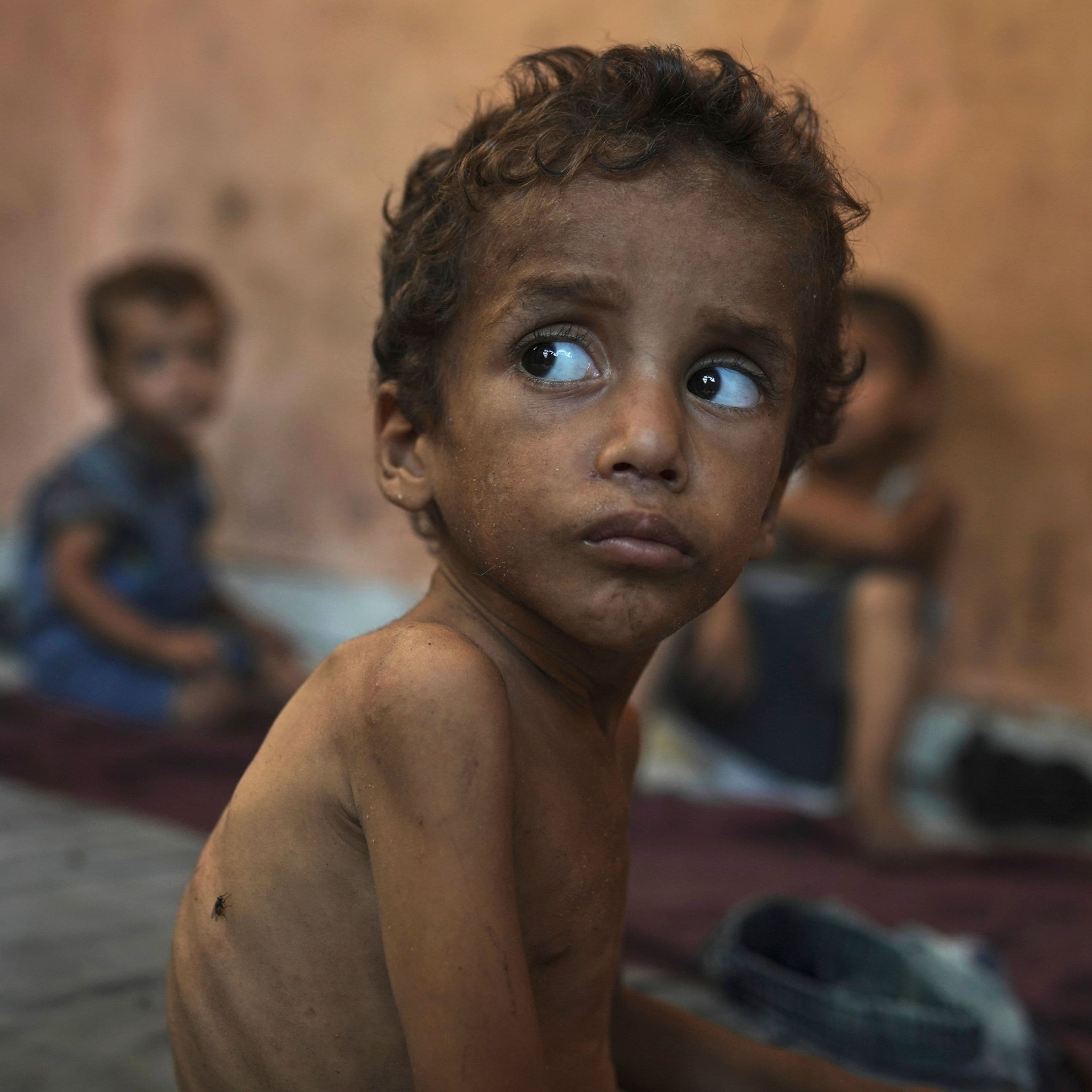
The United States has struck a one-year deal to keep supplying some of the world's poorest countries with free life-saving medication and equipment for mothers, infants and young children, after months of uncertainty over the future of American health aid. The agreement, reported exclusively by Reuters on 16 October 2026, means UNICEF will now procure maternal health supplies on Washington's behalf, ending fears of an abrupt disruption. A State Department spokesperson confirmed the arrangement to Reuters by email, without giving further details of how it will work. UNICEF said the agreement is worth 25 million dollars and will last for one year. The sum represents only a small fraction of the aid affected by the Trump administration's cuts and the dismantling of the US Agency for International Development (USAID) — the broader USAID aid cuts have ended or frozen programmes worth far more. But officials and aid workers said it removes the immediate threat of another supply cliff: nine former US aid officials, NGO staff and government officials told Reuters they had feared a gap because the deal the now-defunct USAID had with its contractor was due to run out last month. The agreement covers the procurement and delivery of maternal and child health supplies, as well as some nutrition supplies, to at least 15 countries previously covered, including the Democratic Republic of Congo, Haiti and Mali, UNICEF said. UNICEF maternal supplies under the deal will cover the same countries as the previous programme. It follows almost 18 months of disruption after Washington froze and then scaled back many US aid programmes under its 'America First Global Health Strategy', leaving health ministries to ration services and infant health programmes to scramble for alternatives. ## Maternal health supplies were running out In countries such as Congo, shortages have already begun to show on the ground. At the Nyangezi General Hospital in eastern Congo, health workers said they had run out of oxytocin, used to prevent and treat post-partum haemorrhage, and amoxicillin, an antibiotic used in paediatric care and during childbirth. Aid workers said such gaps in maternal health supplies put mothers and newborns at immediate risk, particularly in conflict-affected areas where alternatives are scarce and referral hospitals are hours away. The cases illustrate why the continuity of maternal health funding matters as much as its scale. ## UNICEF to procure maternal health and newborn supplies Under the new arrangement, UNICEF — the UN children's agency — will take over procurement of the maternal health and newborn health supplies previously handled through USAID channels. The agency said the one-year deal gives the world's most vulnerable nations breathing room while they negotiate new longer-term health aid agreements with Washington. The UNICEF maternal supplies pipeline will keep flowing to the at least 15 countries covered under the previous programme, with nutrition supplies included in the package. Officials said the priority was avoiding any repeat of the stop-start pattern that has defined the past 18 months. ## A fraction of the aid lost to USAID aid cuts The 25 million dollar deal is dwarfed by the scale of the cuts. The Trump administration's dismantling of USAID ended or froze programmes worth far more, and USAID aid cuts have forced health ministries across Africa and beyond to cut back services. Aid groups say the one-year agreement cannot substitute for the agency's former role, and that stopgap deals leave planning uncertain. For now, though, the agreement averts the worst-case scenario: a sudden halt to the free medicines and equipment that maternal and child health programmes in the poorest countries depend on. ## Maternal health after 18 months of disruption Global health advocates said the deal was a welcome reprieve but not a recovery. After almost 18 months of disruption, rebuilding supply chains for maternal health and newborn health programmes will take time, they said, and the one-year horizon keeps pressure on Washington to agree a durable successor. For mothers in places like Nyangezi, where a single missing drug can turn a routine delivery into an emergency, the resumption of steady maternal health supplies could not come sooner — and protecting newborn health in the world's poorest countries remains the measure by which the deal will be judged.