AI Gastrointestinal Cancer Detection: Fujifilm India Backs AIIMS Study
Fujifilm India is backing an AIIMS study evaluating AI-assisted early detection of gastrointestinal cancers through endoscopy-based screening.
by Trends DeskOctober 16, 20263 min read
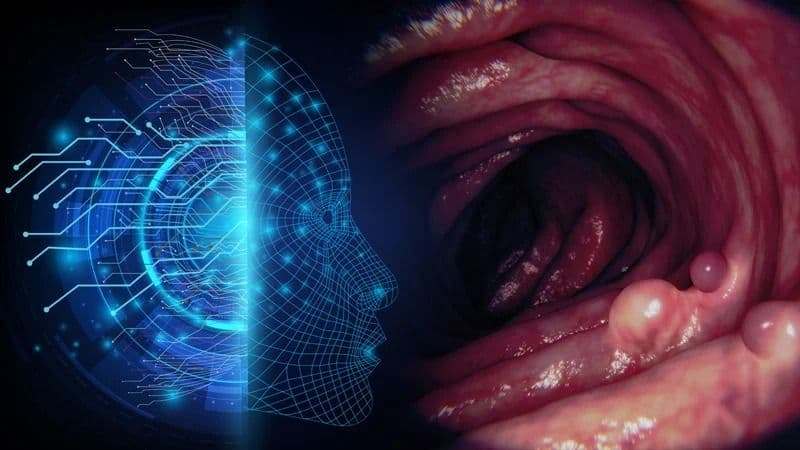
Fujifilm India is backing an AIIMS study to evaluate AI gastrointestinal cancer detection, assessing whether artificial intelligence can improve endoscopy-based screening for cancers of the digestive tract. Announced on October 15, the collaboration will test AI tools that help doctors spot early lesions during endoscopy — a step that could significantly improve survival outcomes.
Gastrointestinal cancers — including cancers of the oesophagus, stomach and colon — are among the leading causes of cancer death in India, partly because they are often detected late. The Fujifilm AIIMS study will examine whether AI assistance during routine endoscopy can catch suspicious tissue earlier and more reliably than the human eye alone, bringing the technology into real-world clinical testing.
How AI Gastrointestinal Cancer Detection Works
AI gastrointestinal cancer detection typically works by analysing live video from an endoscope and flagging areas that resemble early-stage tumours or precancerous changes. The system acts as a second observer, drawing the endoscopist's attention to subtle abnormalities — slight colour changes, irregular textures or tiny lesions — that are easy to miss in a busy screening list.
AI-assisted endoscopy has shown promise in international trials, improving detection rates for polyps and early gastric cancers. Endoscopy screening enhanced by AI could be particularly valuable in India, where the volume of patients far exceeds the number of trained gastroenterologists, and where standardising quality across centres is a persistent challenge.
The Fujifilm AIIMS Study: What Researchers Will Test
Researchers at AIIMS will evaluate the AI system's performance in real clinical settings, comparing detection rates with and without AI assistance. The Fujifilm AIIMS study is expected to generate evidence on accuracy, workflow integration and cost-effectiveness — the three questions hospital administrators ask before adopting any new technology for AI gastrointestinal cancer detection.
Fujifilm brings imaging and endoscopy hardware expertise to the partnership, while AIIMS contributes clinical depth and research rigour. Such industry-academia collaborations are becoming central to early cancer detection AI in India, where validating algorithms on local patient populations is essential before they can be trusted at scale.
Why Early Detection of Gastrointestinal Cancers Matters
Survival in gastrointestinal cancers India sees is closely tied to stage at diagnosis: early-stage disease is often curable with minimally invasive treatment, while advanced disease carries a grim prognosis. Gastrointestinal cancers India diagnoses late impose heavy costs on families and the health system alike — making earlier detection one of the highest-value goals in oncology.
Early cancer detection AI tools could shift that balance, but only if they prove themselves in Indian conditions — diverse diets, varying disease patterns and high patient throughput. Analysts say the AIIMS evaluation will be watched closely as a bellwether for whether AI gastrointestinal cancer detection is ready for wider rollout.
AI Gastrointestinal Cancer Detection and the Road Ahead
If the study validates the technology, the next steps would include larger multi-centre trials, regulatory clearances and training programmes for endoscopists. AI-assisted endoscopy would need to fit into existing endoscopy screening workflows without slowing them down — a practical test as important as raw accuracy for AI gastrointestinal cancer detection.
For now, the message from the partners is measured: AI is an aid to the clinician, not a replacement. But if AI gastrointestinal cancer detection proves its worth at AIIMS, it could mark the beginning of a new standard of care — one where no early lesion goes unnoticed for want of a second pair of eyes.